
Juan Ignacio Molina (Abate Molina) — Chilean naturalist and historian
Juan Ignacio Molina (1740–1829), known as Abate Molina, was a Chilean Jesuit naturalist and scholar whose 1776 work on the geography and natural history of Chile brought South American science to European readers.
Juan Ignacio Molina (June 24, 1740 – September 12, 1829), commonly called Abate Molina, was a Chilean-born Jesuit priest and naturalist who spent much of his adult life in Italy. His writings introduced many European readers to the geography, flora, fauna and peoples of Chile. Molina combined field observation, reports from colonial officials and study of specimens to produce works that became reference points for eighteenth- and nineteenth-century scholars.
Image gallery
7 Images


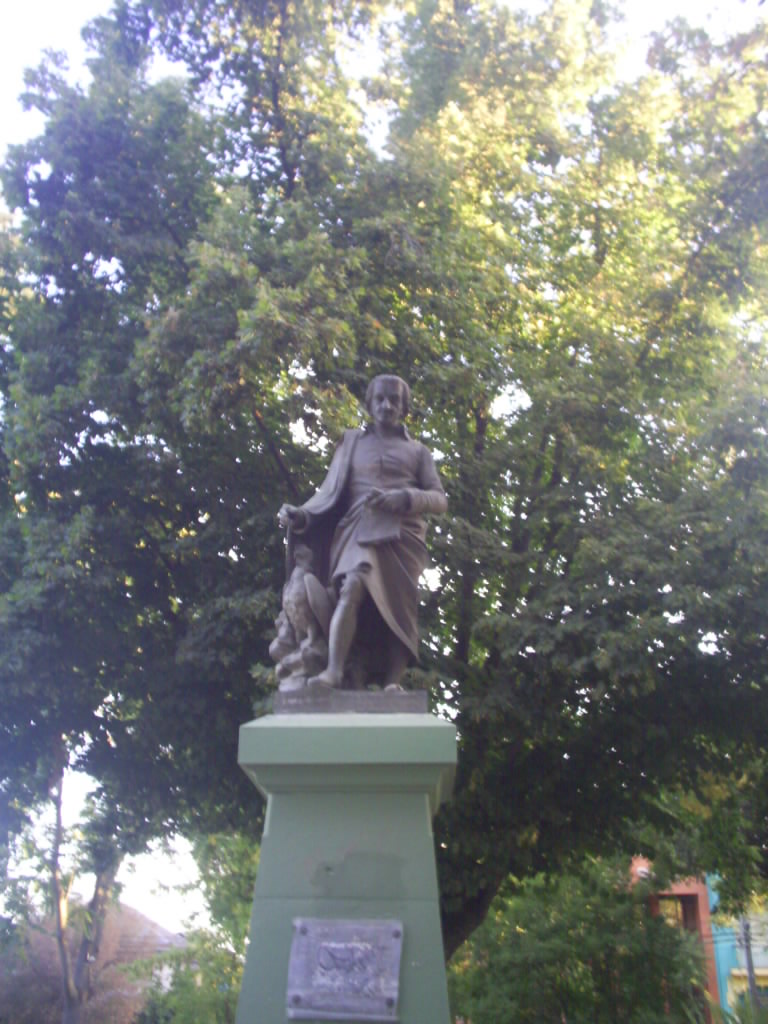
Life and context
Molina was born in colonial Chile and educated within the Jesuit tradition. After the 1767 expulsion of the Jesuits from Spanish territories he resettled in Italy, where he continued his scholarly activities. Living in Bologna, he remained intellectually active for decades, corresponding with naturalists and participating in learned societies. His dual identity as a Chilean by birth and a European-based scholar shaped the perspective of his major works.
Main work and themes
His best-known book, published in 1776 and often cited in translations and later editions, is a comprehensive account of the geography, natural history and civil institutions of Chile. That volume was translated into several languages and helped shape European understanding of the southern cone. Molina addressed topics such as major landforms, climate, plant and animal life, and the customs of indigenous communities.
Approach and contributions
- Systematic description: Molina combined narrative description with attempts at classification and comparison to European species.
- Geographical synthesis: he summarized available knowledge about Chilean regions, coasts and rivers for readers unfamiliar with South America.
- Cultural observations: his accounts included notes on local societies, economy and colonial administration as they related to natural resources.
Molina's work functioned both as an introduction for general readers and as a source for naturalists and geographers seeking data from a relatively little-known part of the world.
Legacy and further reading
Translations of his principal book appeared in English, French, German and Spanish, widening its influence. Scholarly recognition has continued into the modern era: a journal named Moliniana honors his contribution to Chilean studies. For concise biographies, critical editions and collections of his writings, see the following references:
- Biographical overview of Molina
- Discussion of Molina's natural history work
- Translated editions and bibliographic notes
- Critical studies and historical context
- Journal devoted to Molina's legacy
Modern readers consult Molina to understand early European perspectives on Chile and to trace the development of natural history in the southern hemisphere. His blend of observation, synthesis and communication secured him a lasting place among eighteenth-century naturalists.
Questions and answers
Q: Who was Juan Ignacio Molina?
A: Juan Ignacio Molina was a Chilean naturalist born on June 24, 1740.
Q: What was his nickname?
A: He was usually referred to as Abate Molina, which is a form of Abbott Molina.
Q: What did he write?
A: He wrote Compendio della storia geografica, naturale e civile del regno del Cile (1776), which was later translated into English, French, German, and Spanish.
Q: What is Moliniana?
A: Moliniana is a journal that was dedicated in his honor.
Q: When did he die?
A: Juan Ignacio Molina died on September 12, 1829.
Q: What was the subject matter of his writing?
A: Juan Ignacio Molina's writing covered various subjects, including the natural, geographical, and civil history of Chile.
Q: How many languages was his work translated into?
A: His work, Compendio della storia geografica, naturale e civile del regno del Cile, was translated into English, French, German, and Spanish.
Related articles
Author
AlegsaOnline.com Juan Ignacio Molina (Abate Molina) — Chilean naturalist and historian Leandro Alegsa
URL: https://en.alegsaonline.com/art/51368