
Josiah Wedgwood — English potter, industrial innovator and entrepreneur
Josiah Wedgwood (1730–1795) was an English potter who transformed ceramic manufacture and marketing, founded a major pottery works, and left a lasting commercial and artistic legacy.
Josiah Wedgwood (12 July 1730 – 3 January 1795) was an English potter and entrepreneur who played a central role in turning pottery from a craft into an industrial business. Born in Burslem in Stoke-on-Trent, he combined technical experimentation with systematic business methods to produce wares that appealed across social classes. He is also remembered as the grandfather of Charles Darwin and of Emma Darwin.
Image gallery
10 Images




Innovations in production and design
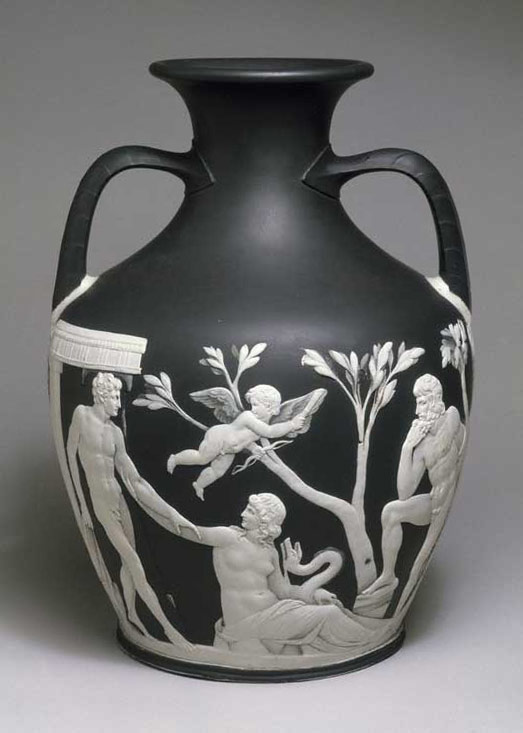
Wedgwood pursued both aesthetic and technical advances. He developed refined earthenwares such as creamware (sometimes called Queen's ware) and later the distinctive jasperware, noted for its matte coloured ground and white bas-relief decoration. His workshops refined processes like standardised moulding, consistent firing, and transfer printing, improving quality and reducing cost. These methods helped make fashionable ceramics more widely available.
Factory organisation and business practice
Moving beyond the small-scale potter's workshop, Wedgwood organised larger works and a division of labour that anticipated factory production. He established new premises in the 1760s to bring more stages of making and finishing under one roof. Working with business partners and designers, he applied a disciplined, almost scientific approach to testing clays and glazes.
Marketing and commercial techniques
Wedgwood is often cited as an early pioneer of modern marketing. He combined product innovation with striking commercial strategies to reach buyers both at home and abroad. Examples of techniques associated with his firm include:
- Innovative marketing methods such as illustrated catalogues and widely distributed pattern books;
- Use of travelling agents and showrooms to reach provincial customers;
- Policies resembling guarantees, promotional offers and organised distribution to retailers and export markets.
These practices helped establish a recognisable brand and scale national and international trade in ceramics.
Public causes and connections
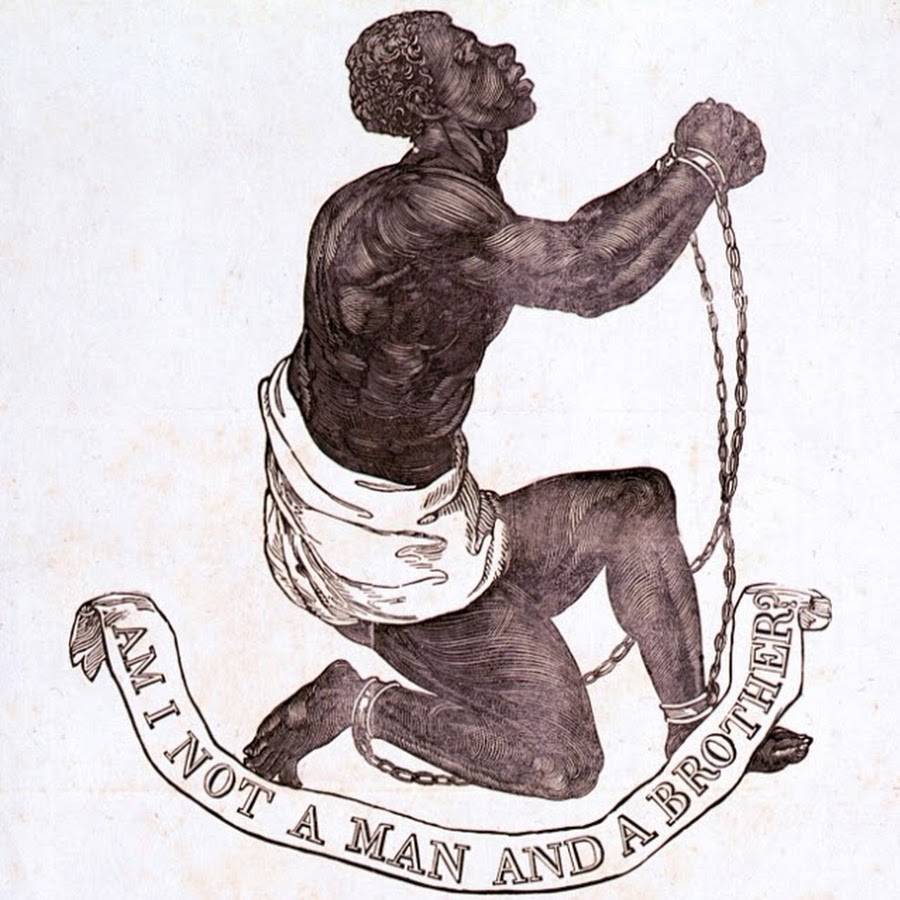
Wedgwood was active in the circle of inventors, industrialists and thinkers of his day, maintaining links with members of the Lunar Society and other scientific figures. His factory produced wares and political tokens, including pieces associated with social causes of the era. As a manufacturer he balanced aesthetic taste, commercial demand and social awareness.
Legacy
The firm he founded became internationally known and influenced the development of industrial production, consumer marketing, and ceramic design. Many of Wedgwood's aesthetic innovations remain collectible and his name survives as a brand in ceramics. For a concise account of his origins and the town where he began, see Burslem and Stoke-on-Trent; for broader context on pottery and industry consult resources on the history of the pottery industry and biographies of prominent figures like potters and his famous descendants such as Charles Darwin.
Wedgwood's combined focus on craft, science and commerce helped shape the modern consumer marketplace and left a durable imprint on industrial design and marketing.
Questions and answers
Q: Who is Josiah Wedgwood?
A: Josiah Wedgwood was an English potter born in Burslem, Stoke-on-Trent.
Q: What is Josiah Wedgwood famous for?
A: Josiah Wedgwood is famous for the industrialisation of pottery.
Q: Who are Charles Darwin and Emma Darwin in relation to Josiah Wedgwood?
A: Charles Darwin and Emma Darwin are his grandson and granddaughter-in-law respectively.
Q: What modern marketing strategies did Josiah Wedgwood introduce?
A: Josiah Wedgwood introduced direct mail, money-back guarantees, travelling salesmen, self-service, free delivery, buy one get one-free and illustrated catalogues.
Q: Was Josiah Wedgwood only a potter?
A: Yes, Josiah Wedgwood was solely a potter.
Q: How did Josiah Wedgwood change the pottery industry?
A: Josiah Wedgwood helped industrialise the pottery industry.
Q: What year did Josiah Wedgwood die?
A: Josiah Wedgwood died on January 3, 1795.
Related articles
Author
AlegsaOnline.com Josiah Wedgwood — English potter, industrial innovator and entrepreneur Leandro Alegsa
URL: https://en.alegsaonline.com/art/51267
Sources
- nytimes.com : "They Broke It", New York Times, 9 January 2009
- hermitagemuseum.org : Pieces from the Green Frog Service. Josiah Wedgwood (1773–1774)