
Joseph Warren (1741–1775) — Physician, Patriot Leader, and Bunker Hill Casualty
Joseph Warren was a Boston physician and Patriot leader whose organizing work and warnings helped ignite the American Revolution; he died leading troops at the Battle of Bunker Hill and is widely commemorated.

Overview
Joseph Warren (June 11, 1741 – June 17, 1775) was an American physician and political activist whose leadership in Boston's Patriot movement helped set the stage for armed conflict with Britain. A practicing doctor and public speaker, Warren combined medical practice with intense political organizing on behalf of colonial rights. He is remembered for dispatching riders to warn of British troop movements and for his death during the fighting at Bunker Hill, which made him a martyr for the Patriot cause.
Image gallery
9 Images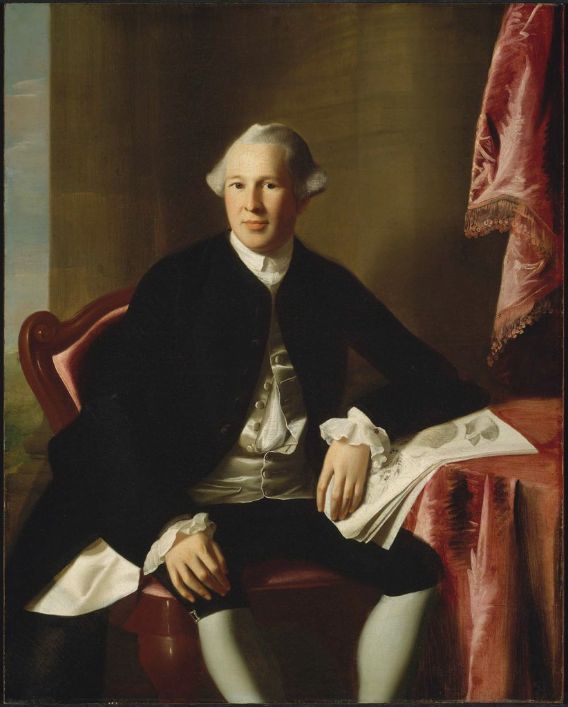
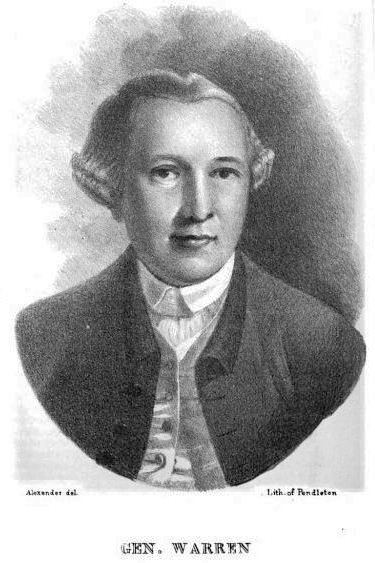


Early life and medical career
Born in the Massachusetts Bay colony and educated at Harvard, Warren trained and worked as a physician, earning respect in his community for both clinical skill and public presence. He used his professional standing to build connections across Boston and the surrounding towns, which later proved valuable in coordinating resistance. His role as a civic leader arose from a combination of medical practice, oratory, and participation in local committees concerned with civil liberties and governance.
Political activity and revolutionary organizing
In the years immediately before open warfare, Warren emerged as a prominent voice in Boston's Patriot organizations. He took part in committees and public meetings that criticized parliamentary measures and sought practical remedies for colonial grievances. In one of the most consequential episodes on the eve of war, Warren sent messengers to alert colonial leaders and militias about imminent British operations: he personally dispatched riders such as Paul Revere and William Dawes to spread word that British forces were moving to seize arms and arrest leaders in Concord. Those warnings helped mobilize local forces on the night of April 18–19, 1775 and led directly to the opening engagements of the Revolution.
Bunker Hill, military rank, and death
As tensions turned to open conflict, Warren accepted a senior militia commission and was named a Major General by the provincial authorities of Massachusetts. When British troops attacked fortified positions on June 17, 1775, during the Battle of Bunker Hill, Warren chose to join the fighting alongside the rank-and-file rather than remain behind the lines in command. Contemporary accounts report that he fought as a common soldier—an action often described as serving as a private—and was killed on the parapet of Breed's Hill. His death was widely publicized in the colonies and abroad, strengthening resolve among those who opposed royal authority and making Warren a symbol of sacrifice.
Legacy and commemoration
Warren's sacrifice quickly entered Revolutionary memory. Printers, painters, and public speakers evoked his name as an example of patriotic self‑sacrifice. Across the newly independent nation many places were named in his honor; numerous cities and towns bear his name, and monuments, plaques, and civic dedications recall his role in the founding era. Historians and local traditions commonly cite him as an important early leader of the Patriot cause in what became the United States.
Notable facts and distinctions
- Warren combined a professional career as a physician with active political leadership; his medical practice helped establish community ties that aided organizing (physician).
- He played a central role in Boston's Patriot networks during the critical months before the outbreak of fighting in the Revolutionary War (Revolutionary War, Boston).
- Warren's decision to send riders on April 18, 1775 precipitated the colonial mobilization that led to the confrontations at Lexington and Concord.
- Although raised to high rank, his choice to fight with regular militiamen and his subsequent death at Bunker Hill made him a potent symbol and subject of commemoration.
For readers interested in exploring primary accounts, artworks, and local memorials related to Warren, specialized biographies and regional historical societies maintain collections and exhibitions; these resources place his life and death in the broader story of the Revolution and of the civic institutions that emerged from that conflict.
Further reading and curated collections are available through libraries and archives that focus on colonial New England and the opening campaigns of the American Revolution. For specific institutional resources and digitized materials, consult historical repositories linked in academic and public history guides (Samuel Adams, John Hancock).
Warren's life illustrates how professional leadership, political organizing, and personal courage intersected in the turbulent years when Thirteen Colonies moved from protest to independence.
Concord | Bunker Hill | Paul Revere | British forces | Major General
Questions and answers
Q: Who was Dr. Joseph Warren?
A: Dr. Joseph Warren was an American physician and fighter in the American Revolutionary War who played a leading role in American Patriot groups in Boston during the early days of the American Revolution.
Q: What did Dr. Joseph Warren do on April 18, 1775?
A: On April 18, 1775, Dr. Joseph Warren enlisted Paul Revere and William Dawes to leave Boston and spread the alarm that the British were about to raid Concord, Massachusetts and arrest rebel leaders Samuel Adams and John Hancock.
Q: What rank did he hold just before the Battle of Bunker Hill?
A: Just before the June 17, 1775 Battle of Bunker Hill, Dr. Joseph Warren was appointed Major General in the Massachusetts colony's militia.
Q: How did he serve at Bunker Hill?
A: At Bunker Hill, instead of exercising his rank as Major General, Dr. Joseph Warren served as a private soldier in battle.
Q: Where was he killed in combat?
A: He was killed in combat when British troops attacked Breed's Hill during the Battle of Bunker Hill on June 17th, 1775.
Q: Are there any cities or towns named after him?
A: Yes, many United States cities and towns are named for Dr. Joseph Warren to honor his service during the American Revolutionary War.
Related articles
Author
AlegsaOnline.com Joseph Warren (1741–1775) — Physician, Patriot Leader, and Bunker Hill Casualty Leandro Alegsa
URL: https://en.alegsaonline.com/art/51251
Sources
- revolutionary-war.net : "Joseph Warren"
- nps.gov : "Doctor Joseph Warren"