
Jorge Luis Borges: life, themes, and literary legacy
Overview of Jorge Luis Borges, the Argentine writer and poet known for short fiction, essays and labyrinthine themes; his style, major works, influences, and lasting impact on modern literature.
Overview
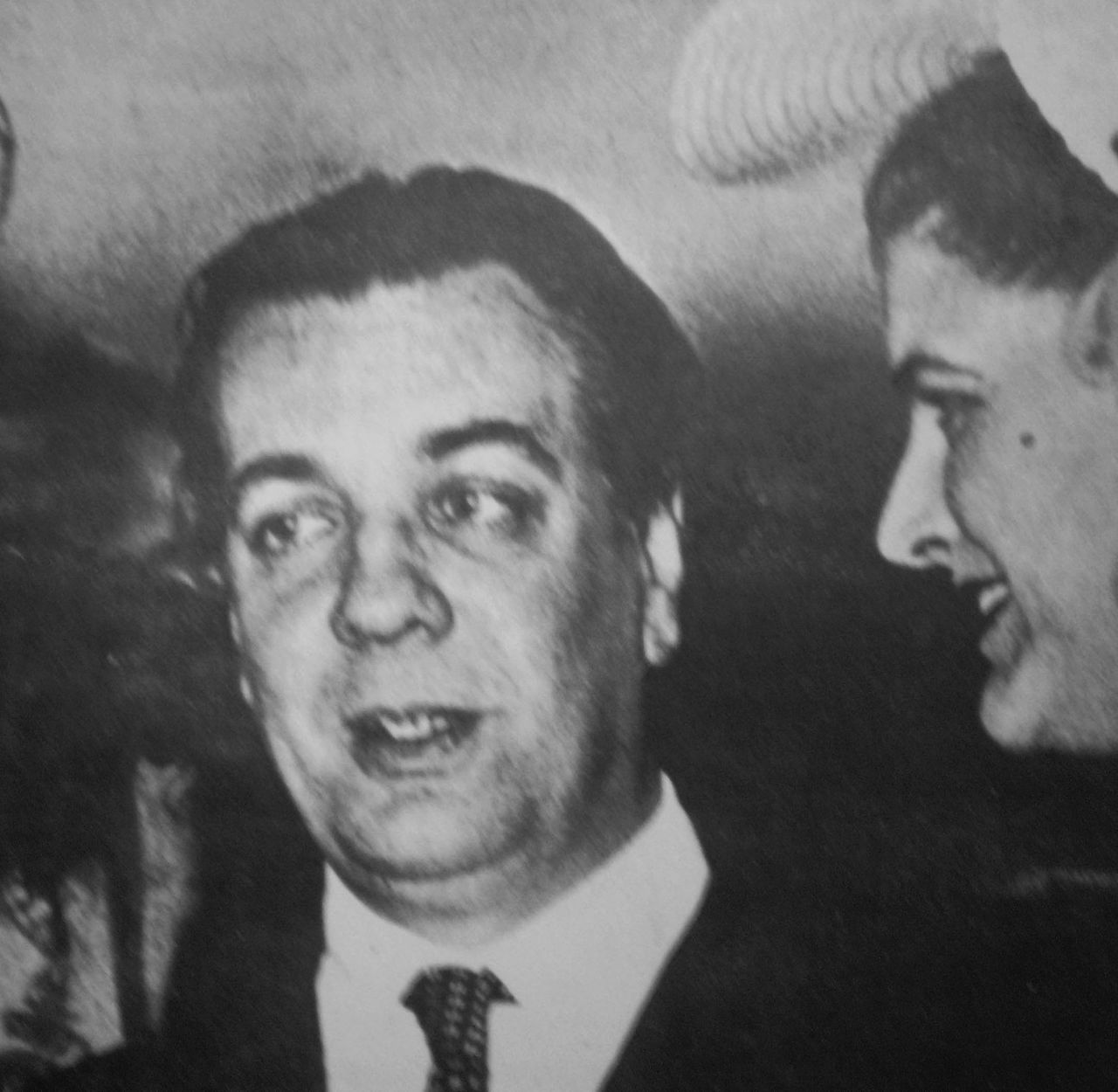
Jorge Luis Borges (24 August 1899 – 14 June 1986) was an Argentine writer and public intellectual whose work reshaped short fiction and speculative prose in the twentieth century. He gained international recognition for compact, idea-driven pieces that blur the border between creative storytelling and philosophical essay. Borges was also active as a poet, translator and literary critic, and he served in significant cultural posts in Argentina while coping with progressive visual impairment.
Image gallery
10 Images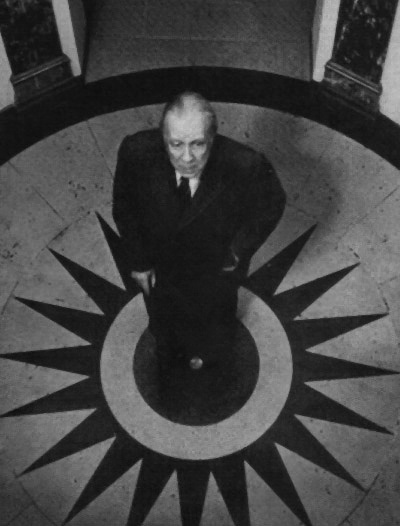




Themes and style
Borges's writing is notable for its intellectual density, precise language and recurrent motifs: labyrinths, mirrors, infinite regress, fictional encyclopedias and unreliable narrators. His narratives often present metaphysical puzzles rather than linear plots, inviting readers to reflect on time, identity and the limits of representation. He frequently mixed learned allusion, paradox and playful erudition, making his short pieces both readable and richly allusive.
Major works and forms
Although he wrote in several genres, Borges is best remembered for short story collections and reflective essays that compress large ideas into brief forms. His stories have been gathered in widely translated volumes and anthologies; English readers often encounter selections under titles like Ficciones and The Aleph, or in compilations such as Labyrinths. He also produced substantial poetry, critical essays and translations that reveal his engagement with world literature and philosophy.
Influences
Borges drew on a broad range of predecessors and thinkers. He acknowledged affinities with classical and modern authors and philosophers. Examples include:
- Dante — echoes of cosmological order and allegory.
- Miguel de Cervantes — links between metafiction and narrative self-awareness.
- Franz Kafka — affinities in parable-like anxiety and absurd bureaucracy.
- H. G. Wells and G. K. Chesterton — imaginative scenarios and moral paradox.
- Arthur Schopenhauer — philosophical themes of will and representation.
Legacy and significance
Borges's influence extends beyond Spanish-language letters into global fiction, theory and popular culture. His compact, idea-driven stories anticipated many concerns of late twentieth-century and postmodern writing: intertextuality, metafiction and the role of the reader. He received widespread scholarly study and numerous translations; he is frequently cited by writers, critics and theorists as a touchstone for thinking about the possibilities of short fiction. For readers seeking a concise introduction, selections of his stories and essays illustrate how a few pages can contain philosophical depth and imaginative daring.
Short stories and essays remain the most accessible entry points into Borges's work; his role as an innovator of form and a translator of ideas secures his place among the major figures of twentieth-century literature.
Questions and answers
Q: Who is Jorge Luis Borges?
A: Jorge Luis Borges was an Argentine writer, poet, critic, translator and man of wisdom.
Q: What was Borges best known for in the English-speaking world?
A: Borges was best known for his short stories and fictive essays in the English-speaking world.
Q: Who were some of the authors that influenced Borges?
A: Borges was influenced by authors such as Dante Alighieri, Miguel de Cervantes, Franz Kafka, H.G. Wells, Rudyard Kipling, Arthur Schopenhauer and G. K. Chesterton.
Q: When was Borges born and when did he pass away?
A: Borges was born on August 24, 1899 and passed away on June 14, 1986.
Q: What was Borges' occupation?
A: Borges was a writer, poet, critic, translator and man of wisdom.
Q: Where was Borges from?
A: Borges was from Argentina.
Q: What type of literature did Borges specialize in?
A: Borges specialized in short stories and fictive essays.
Related articles
Author
AlegsaOnline.com Jorge Luis Borges: life, themes, and literary legacy Leandro Alegsa
URL: https://en.alegsaonline.com/art/51092