
Joint-stock company
A business entity whose capital is divided into transferable shares held by shareholders; it has separate legal personality and often limited liability, used to raise capital and operate as public or private corporations.
Overview
A joint-stock company is a form of business organization in which ownership is represented by transferable shares. Individuals who hold those shares are called shareholders, and the value they own in the enterprise is recorded as stock or equity. The structure enables the pooled financing of commercial undertakings and separates ownership from day-to-day management. Many descriptions of this model refer to it simply as a business or corporation, depending on local terminology and legal form.
Image gallery
3 Images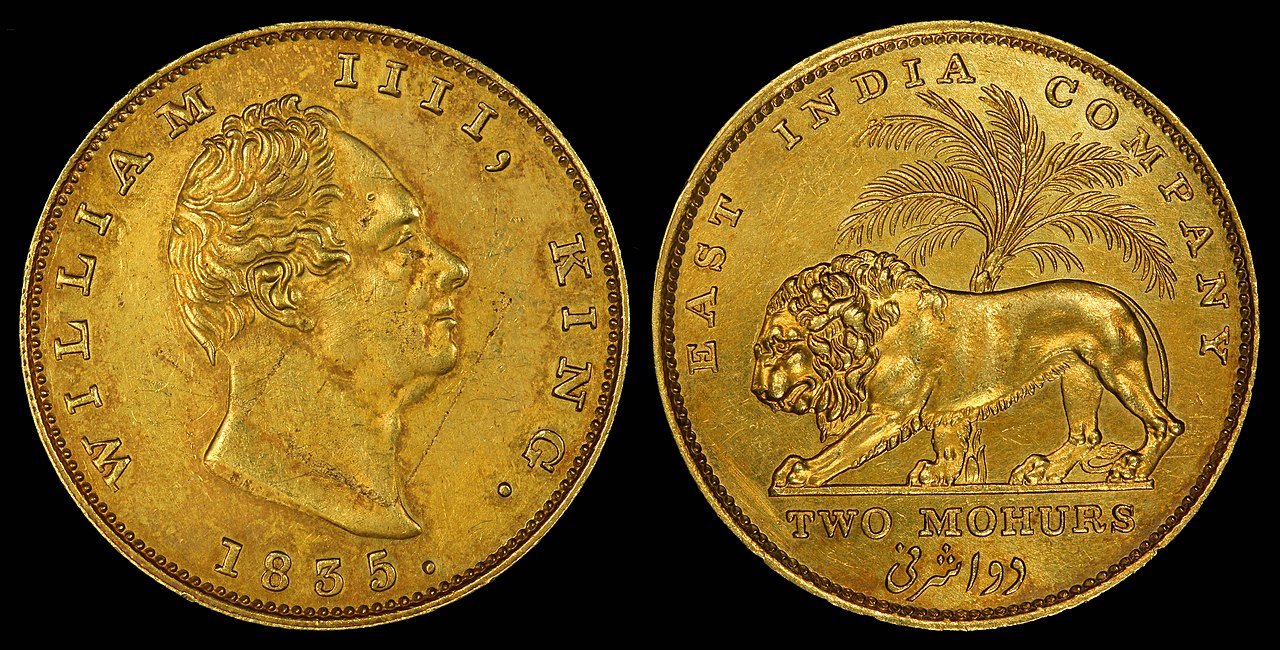


Key characteristics
Several features distinguish joint-stock companies from other business forms. Most importantly, they typically have a distinct legal personality created by incorporation. Because of this separate legal existence, the company can own property, enter contracts and sue or be sued independently of its shareholders. In many jurisdictions shareholders have limited liability and are responsible for a company’s debts only up to the amount they invested.
- Share capital divided into transferable shares.
- Continuity: transfer of shares does not usually dissolve the company.
- Legal personality through incorporation and statutory registration.
- Governance via a board of directors and shareholder meetings.
- Rights for shareholders such as voting and entitlement to dividends.
History and development
The joint-stock model evolved to support ventures that required substantial capital and distributed risk among investors. Early large-scale examples in Europe include chartered trading companies of the 16th and 17th centuries, which pooled resources for overseas trade and exploration. Over the 18th and 19th centuries the form spread and modern company law developed to regulate incorporation, shareholder rights and limited liability. Reforms in many countries during the 19th century made limited liability and easier incorporation more widely available, facilitating the growth of modern corporations and public capital markets.
Organization and operation
Operationally, joint-stock companies separate ownership from management. Shareholders elect a board of directors to oversee strategy and appoint executives to run daily operations. Capital is raised by issuing new shares or borrowing; public companies may list shares on stock exchanges to provide liquidity for investors. Key documents include articles of incorporation or a constitution and statutory filings required by regulators.
Types, uses and examples
There are many varieties: private vs. public companies, companies limited by shares vs. by guarantee, holding companies and subsidiaries. Public joint-stock companies allow wider public trading of shares and are subject to stricter disclosure rules; private companies restrict transferability and usually have fewer shareholders. Well-known historical examples used this structure to finance large-scale commerce and infrastructure projects, while today joint-stock companies range from small, closely held firms to multinational corporations.
Significance and distinctions
Joint-stock companies are central to modern economies because they enable accumulation of capital, risk sharing and long-term investment. Important distinctions concern jurisdictional differences in incorporation procedures, the extent of shareholder protections, and the precise legal effects of limited liability. For practical information on forming or investing in such entities consult local corporate law resources and regulators via the relevant business registry or financial authority—see also general guides and regulatory resources at business portals and investor information services (shareholder guides, stock market primers, and share transfer procedures).
For deeper reading and legal specifics, reference materials and official guidance from company registries and securities regulators are recommended: introductory summaries, statutory texts and practical checklists are often available from government and financial education sites (debt treatment in insolvency, corporate governance codes) and from investor relations pages of listed corporations.
Questions and answers
Q: What is a joint-stock company?
A: A joint-stock company is a business owned by people called shareholders.
Q: Who owns the company stock in a joint-stock company?
A: The shareholders own the company stock in a joint-stock company.
Q: How does the ownership of shares in a joint-stock company work?
A: Each shareholder owns company stock in proportion to the number of their shares (certificates of ownership).
Q: Can some shareholders own a larger proportion of a company's share than others?
A: Yes, some shareholders may own a larger proportion of a company's share than others.
Q: Can shareholders transfer their shares to others without any effects on the continued existence of the company?
A: Yes, shareholders are able to transfer their shares to others without any effects on the continued existence of the company.
Q: What is the legal process that gives a company a legal personality separate from shareholders, and limited liability?
A: Incorporation is the legal process that gives a company a legal personality separate from shareholders, and limited liability.
Q: What does limited liability mean for the shareholders of a joint-stock company?
A: Limited liability means the shareholders are only liable for the company's debts to the value of the money they invested in the company.
Related articles
Author
AlegsaOnline.com Joint-stock company Leandro Alegsa
URL: https://en.alegsaonline.com/art/50953
Sources
- legal-dictionary.thefreedictionary.com : "Joint Stock Company"
- euronext.com : History of Paris stock exchanges
- sebastienpouget.com : Shareholder lawsuit
- doi.org : 10.1086/261801
- jstor.org : 2937731