
Joiner — woodworker who makes building components
A joiner is a skilled woodworker who manufactures and fits interior and exterior building elements such as doors, windows, stairs and cabinetry; distinct from carpenters and cabinetmakers.
A joiner is a tradesperson who constructs and often installs wooden components used in buildings. In broad usage the word describes someone who produces finished woodwork rather than rough framing. In North America the term "joinery" is frequently associated with the design and execution of individual woodworking joints, while elsewhere the title "joiner" denotes the maker of fixed fittings and trim used in structures. Joinery work is a subset of the building trades that focuses on manufactured elements for interiors and exteriors rather than large-scale structural carpentry. Many historical and modern descriptions treat joinery as the source of millwork and detailed finish.
Image gallery
10 Images

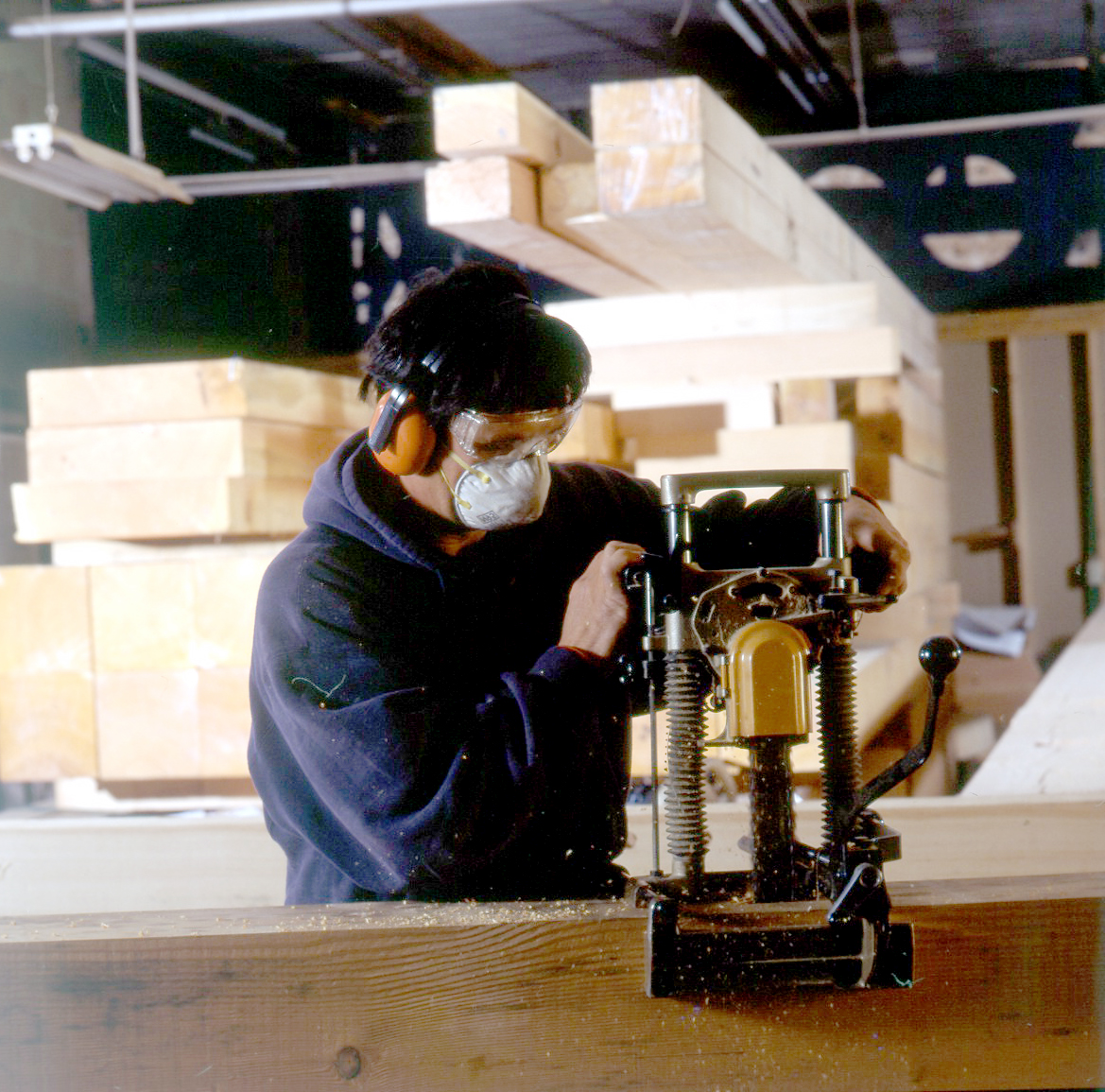
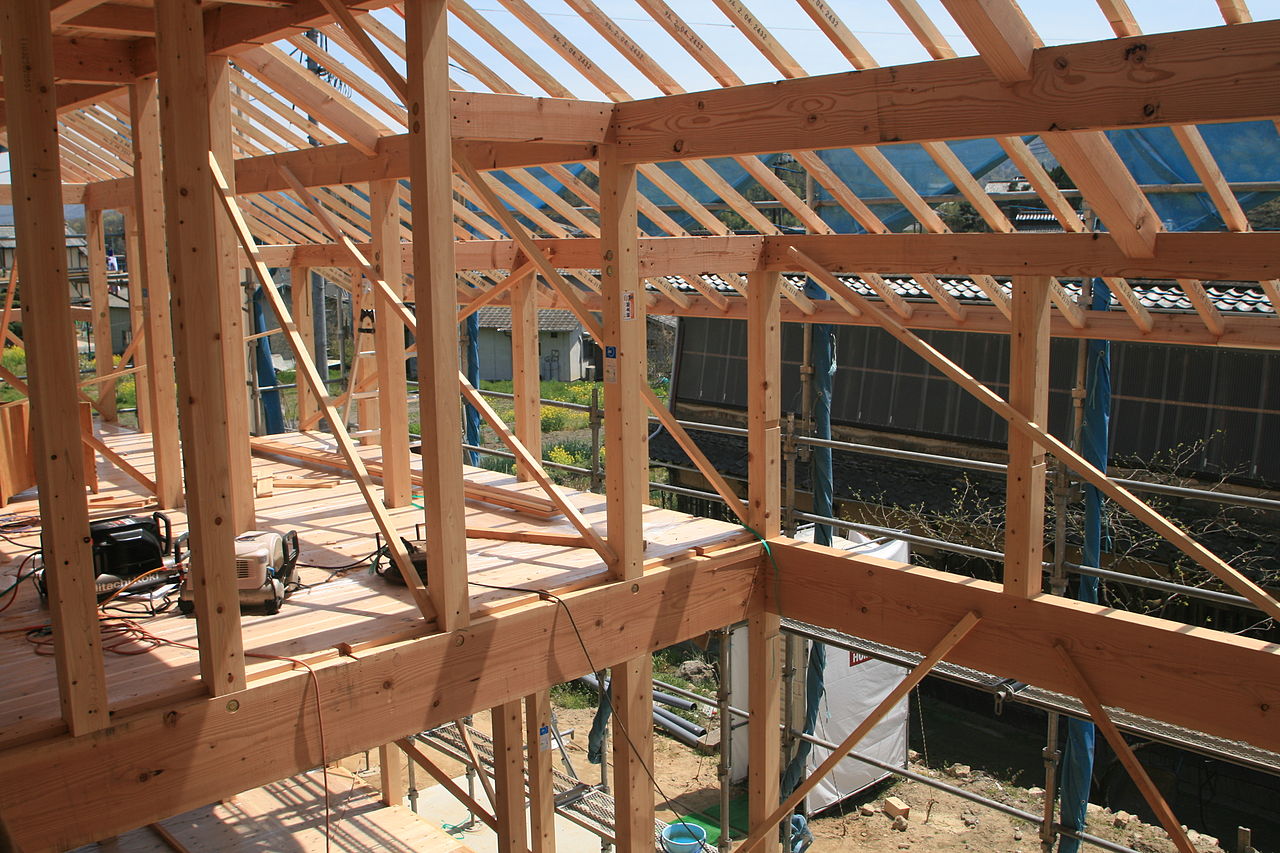

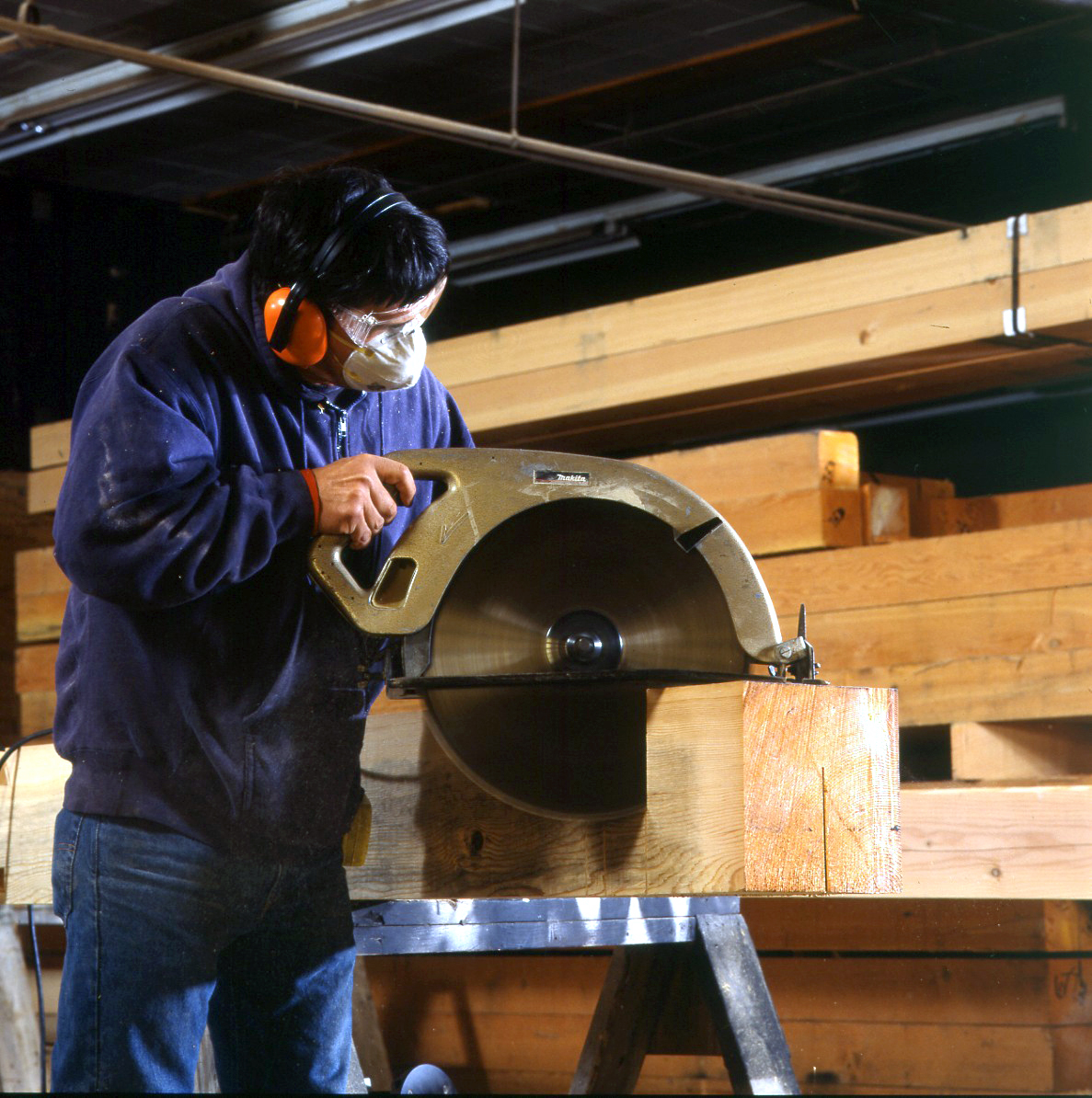


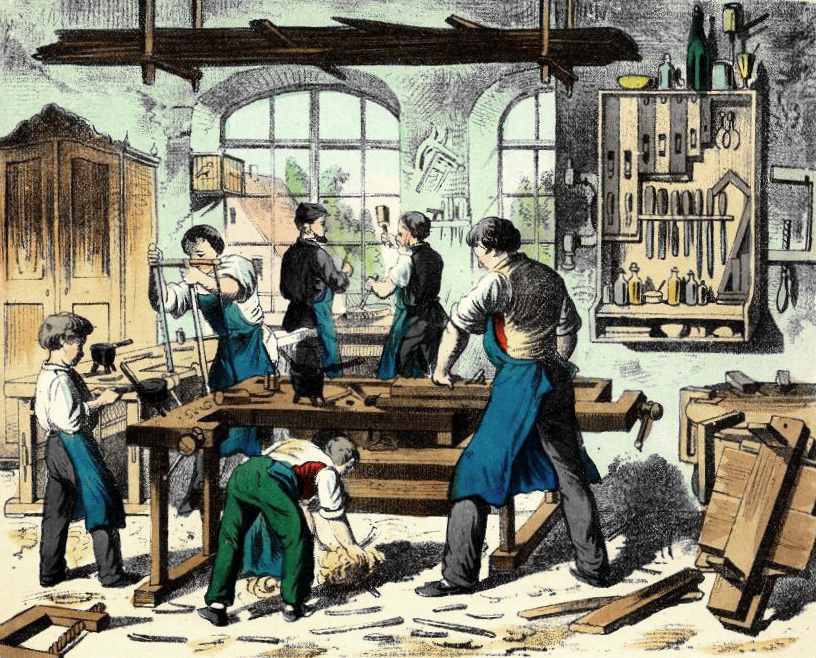

Typical work and products
Joiners produce items that are both functional and decorative. Common examples include:
- Doors and associated frames and jambs
- Windows and casings
- Stairs including treads, risers and balustrades
- Interior wooden panelling and mouldings
- Built-in storage such as shop cabinets and kitchen cabinets
Skills, tools and methods
Joinery requires accurate measuring, cutting and fitting. Typical tools range from hand planes, chisels and saws to powered routers, table saws and CNC machinery in modern workshops. Workflows often involve detailed templates, jigs and careful assembly using a variety of joints, adhesives and fasteners. Joiners must understand wood behaviour, finishing techniques and how to incorporate hardware so that components fit and function on site.
Relation to carpenters and cabinetmakers
The role of a joiner sits between that of a carpenter and a cabinetmaker. Carpenters traditionally handle structural and on-site construction such as framing and roof work; cabinetmakers focus on furniture and fine, often small-scale casework. Joiners specialize in building-related fittings — larger and more architectural than most furniture but finished and fitted with greater precision than rough carpentry. In some regions the same tradesperson may perform both joinery and finish carpentry duties; in others the trades remain distinct.
History and regional terminology
The craft of joinery evolved as timber framing and interior finishing developed. In older European practice joiners often worked in workshops producing complete assemblies that were later fitted on site. Terminology varies by country: in the United States some aspects of joinery are commonly called finish carpentry or millwork, while in the United Kingdom and other countries the title "joiner" remains widely used. Trade organisations sometimes reflect this history — for example, unions and guilds have historically combined the names of carpenters and joiners.
Importance and modern practice
Well-executed joinery contributes to a building's durability, function and aesthetics. Joiners work with a range of materials today, including engineered timbers, veneers and composites, and they must balance traditional hand-tool techniques with modern machine methods. For practical examples and technical details related to specific joints and assemblies, references on woodworking joints and regional trade pages provide useful guidance. For general information about building woodwork and the role of the joiner in construction see related building woodwork resources.
Notes: historical trade names and contemporary classifications vary; some practitioners still use older terms while others adopt industry descriptors tied to their local market.
Questions and answers
Q: What does a joiner do?
A: A joiner makes woodwork that is used for buildings, including doors, windows, stairs, wooden panelling, mouldings, shop cabinets, kitchen cabinets, and other wooden items.
Q: What is the difference between a joiner and a carpenter?
A: The skills of a joiner are somewhat between a carpenter and a cabinetmaker.
Q: What is Finish carpentry?
A: Finish carpentry is one of the things that joiners make.
Q: What is millwork?
A: Millwork is another thing that joiners make.
Q: Are joinery and joiner commonly used terms in the United States?
A: No, these terms are not used often in the United States anymore.
Q: Which trade union still calls itself the United Brotherhood of Carpenters and Joiners of America?
A: The main carpenters' trade union still calls itself the United Brotherhood of Carpenters and Joiners of America.
Q: What other wooden items do joiners make besides doors, windows, and cabinets?
A: Joiners also make wooden panelling, mouldings, and other wooden items used in buildings.
Related articles
Author
AlegsaOnline.com Joiner — woodworker who makes building components Leandro Alegsa
URL: https://en.alegsaonline.com/art/50946