
Aquatic locomotion: principles, modes, and evolutionary context
Movement of organisms through water, covering physical principles, major modes (cilia, undulation, jetting, limb paddling), evolutionary origins, and ecological significance.
Aquatic locomotion refers to the ways that animals, plants and microorganisms move through water. Because life on Earth began in aquatic environments and most of the planet's surface is covered by water, a wide variety of locomotive strategies have evolved. These strategies reflect the physical properties of water, the size and shape of the organism, and ecological demands such as foraging, escaping predators and migration.
Image gallery
10 Images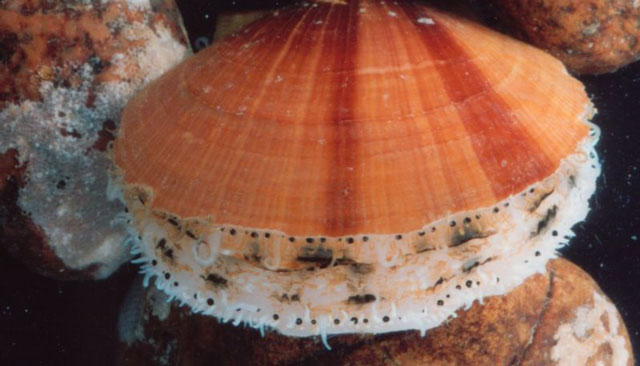


Physical principles and constraints
Water is much denser and more viscous than air, so moving through it involves greater frictional resistance and different fluid dynamics. Streamlining reduces drag, while propulsion must overcome both viscous forces (important for very small organisms) and inertial forces (important for larger animals). The concept of Reynolds number helps classify whether viscous or inertial forces dominate a given organism's movement. Buoyancy, buoyant control (swim bladders, fat layers), and surface tension also affect how animals stay afloat and change depth.
Major modes of aquatic locomotion
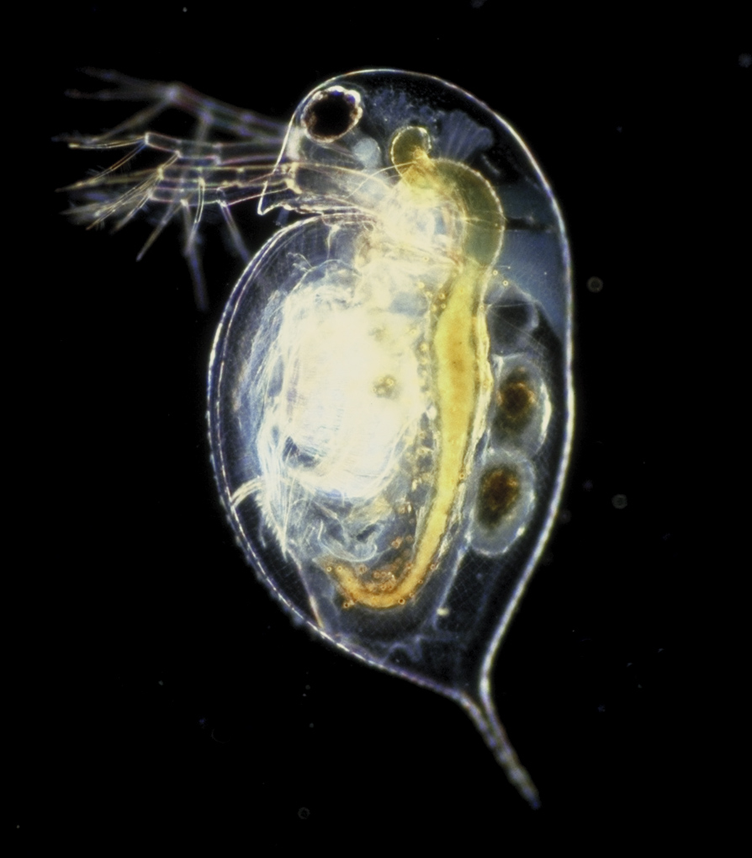
- Ciliary and flagellar propulsion: Small organisms and many larvae use coordinated beating of cilia or rotation/whip-like motion of flagella to generate flow. This mode is efficient at low Reynolds numbers.
- Undulatory swimming: Many fishes and eels produce waves along the body or tail (caudal fin) to push against the water. Cetaceans and some fishes use powerful flukes or tails to generate thrust via vertical or lateral strokes.
- Jet propulsion: Employed by molluscs such as squid and some cnidarians, water is expelled forcefully to propel the body backward.
- Limb-based paddling and rowing: Aquatic insects, many amphibians, reptiles, birds and marine mammals use limbs or flippers to push water and steer. Limb shape and stroke pattern are adapted to balance thrust and lift.
- Gliding and passive drift: Some organisms rely on currents, sails, or body shapes that permit controlled sinking or gliding to conserve energy.
Evolutionary background and development
Life's early macroscopic traces include mat-like microbial structures known as stromatolites, which indicate abundant aquatic microbial activity in the Precambrian. Organic microfossils such as acritarchs and a variety of protists (protists) point to rich single-celled ecosystems long before large animals appeared. Multicellular animals evolved in water and subsequently diversified into many locomotive forms during events such as the Cambrian radiation. Later, several terrestrial lineages returned to aquatic life — for example marine reptiles, pinnipeds and cetaceans — evolving convergent adaptations like flippers and streamlined bodies.
Ecological importance and examples
Aquatic locomotion underpins feeding interactions, predator-prey dynamics, reproduction and migrations. Fish schools, whale migrations and jellyfish drifts are all shaped by movement abilities. Sensory and locomotor systems often coevolve: fish have lateral lines to detect water motion, aquatic mammals use echolocation and many surface swimmers exchange air while minimizing energy use during dives. Small planktonic swimmers influence nutrient cycles by vertical migration between light and dark zones.
Notable distinctions and adaptations
Adaptations for aquatic motion include specialized appendages (fins, flippers, flukes), body density adjustments (swim bladders, lipid stores), and changes in respiration (gills versus lungs with breath-holding in diving tetrapods). Energetic trade-offs shape whether an organism favors speed, maneuverability or endurance. The diversity of locomotive strategies reflects both fundamental physical constraints of moving in a dense fluid and the array of ecological niches that water environments provide.
For further reading on early microbial mats and microfossils, see references linked above. Aquatic locomotion remains an active area of study that connects biomechanics, ecology and evolutionary history.
Questions and answers
Q: What is aquatic locomotion?
A: Aquatic locomotion refers to animals and other organisms moving through water.
Q: Where did all major animal phyla start life?
A: All major animal phyla started life in the water.
Q: What are stromatolites?
A: Stromatolites are mat-like structures formed by photosynthetic bacteria in the sea and are the earliest fossils we have.
Q: Do animals that evolved on land always breathe air when they return to the water?
A: Yes, animals that evolved on land usually continue to breathe air even when they return to the water.
Q: What kinds of animals live in the water?
A: There are aquatic insects, reptiles, mammals, and birds.
Q: When did acritarchs first appear?
A: Acritarchs are present from about 3200 to 1400 million years ago to the present, but we cannot be sure when they evolved.
Q: Why is locomotion important for organisms in the sea?
A: Locomotion is important for organisms in the sea to find the right place, eat, and avoid being eaten. All advanced forms of life, and many primitive forms of life, use locomotion.
Related articles
Author
AlegsaOnline.com Aquatic locomotion: principles, modes, and evolutionary context Leandro Alegsa
URL: https://en.alegsaonline.com/art/5093