
Aquarium (Аквариум) — influential Russian rock band formed in Leningrad
Aquarium (Аквариум) is a pioneering Russian rock band founded in Leningrad in 1972 by Boris Grebenshchikov and Anatoly Gunitsky; noted for underground recordings, poetic lyrics, and broad influence on Soviet and post‑Soviet rock.
Aquarium (Russian: Аквариум, sometimes transliterated Akvarium) is a long‑running Russian rock group best known for blending folk, rock, reggae, and poetic singer‑songwriter traditions. The band grew from an underground music scene into one of the most influential acts of late Soviet and post‑Soviet popular music. Early lineups and musical approaches varied greatly, but a persistent focus on lyrical depth and eclectic instrumentation has kept Aquarium prominent in Russian cultural life. See Aquarium and the broader context of Akvarium in Russian music histories.
Image gallery
2 Images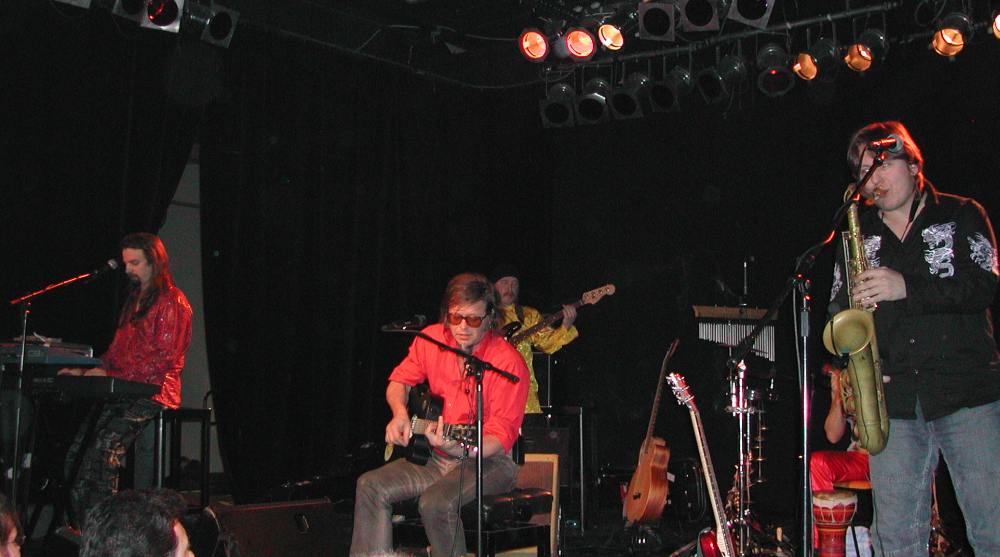

Musical character and instrumentation
Aquarium's sound resists a single label. Songs often combine electric and acoustic guitars with keyboards, violin and wind instruments, and a rhythm section that sometimes borrows from reggae and world music. Lyrics, usually written or curated by leader Boris Grebenshchikov, draw on Russian poetic traditions, spiritual imagery, and philosophical reflection, giving the music a contemplative as well as popular appeal. The band has been noted for live improvisation and for integrating non‑standard rock instruments such as saxophones, flutes and folk strings.
Origins and development
The group was founded in Leningrad in 1972 by guitarist and songwriter Boris Grebenshchikov and poet‑performer Anatoly "George" Gunitsky. Emerging from a vibrant underground scene, Aquarium initially circulated music by tape in informal networks rather than through official Soviet channels, a practice often called magnitizdat. Their early years were shaped by informal venues, changing personnel and experimentation; this formation period placed the band squarely within the wider Soviet rock movement, which combined Western influences with local lyrics and performance traditions.
Recordings and official recognition
For much of the 1970s and early 1980s Aquarium recorded in improvised or self‑built studios, producing albums that reached fans through tape trading and concerts rather than state distribution. In the late 1980s, during a period of political and cultural liberalization, the group made its first official release on the state label Melodiya. That move to authorized distribution brought a dramatic increase in exposure and sales; the band's first widely distributed LP on the label became a commercial breakthrough and sold heavily within months. The transition to legal releases allowed Aquarium to tour more widely and reach new audiences across the Soviet Union.
Members, legacy and influence
Over decades Aquarium's lineup evolved; long‑standing figures include founder Boris Grebenshchikov alongside musicians on keyboards, violin, guitars, bass and percussion. Contemporary and notable contributors have included keyboardists, violinists and multi‑instrumentalists who helped shape the group's distinctive textures. The band's work influenced generations of Russian rock artists, helped bring literary and philosophical concerns into popular song, and remains a touchstone in discussions of how popular culture adapted under Soviet constraints and then transformed during perestroika. For background on the band's formation in Leningrad and early chronology beginning in 1972, consult historical overviews and interviews with members.
Listening and further reading
- Explore studio and live recordings to hear the range from intimate ballads to electric ensemble pieces.
- Read translations of lyrics to appreciate the poetic references and spiritual themes.
- Consult oral histories and contemporary accounts for context about underground recording practices and the late‑Soviet music industry.
Aquarium's combination of literary lyricism, eclectic music, and a career spanning underground and official eras makes them a key case study in modern Russian music. For more on the band and its place in rock history, follow archival materials and retrospective essays available through music libraries and cultural sites.
Questions and answers
Q: When was Aquarium formed?
A: Aquarium was formed in Leningrad in 1972.
Q: Who were the founders of Aquarium?
A: The founders of Aquarium were Boris Grebenshchikov and Anatoly "George" Gunitsky.
Q: When did Aquarium record all of their albums in a self-assembled underground studio?
A: Aquarium recorded all of their albums in a self-assembled underground studio until 1987.
Q: What is the recording quality of the albums recorded by Aquarium between 1980 and 1987 considered by most fans?
A: The recording quality of the albums recorded by Aquarium between 1980 and 1987 is considered by most fans as their best.
Q: When did Aquarium record their first album for the state-owned Melodiya record label?
A: Aquarium recorded their first album for the state-owned Melodiya record label in 1987.
Q: How well did Aquarium's first album for the state-owned Melodiya record label sell in USSR?
A: Aquarium's first album for the state-owned Melodiya record label was a hit in USSR, selling well over a million copies within a few months.
Q: Who are the members of Aquarium today?
A: The members of Aquarium today are Boris Grebenshchikov, Boris Rubekin (keyboards), Andrey Surotdinov (violin), Igor Timofeyev (guitars, saxophones and flutes), Andrey Svetlov (bass), and Oleg "Shar" Shavkunov (drums and percussion).
Tags
Related articles
Author
AlegsaOnline.com Aquarium (Аквариум) — influential Russian rock band formed in Leningrad Leandro Alegsa
URL: https://en.alegsaonline.com/art/5089