
April Fools' Day: traditions, history, and modern practices
April Fools' Day, observed on April 1, is an informal day for harmless jokes and hoaxes. Customs vary by country; some limit pranks to the morning or until noon and media often stage elaborate April 1 stories.
Overview
April Fools' Day is an informal tradition observed in many parts of the world. It falls on April 1 and is recognized every year by people of different ages. The general aim is playful deception: short-lived practical jokes, hoaxes, and invented stories intended to surprise or amuse. It is not an official public holiday in most places, but it is widely noted in social life, workplaces and the media.
Image gallery
3 Images

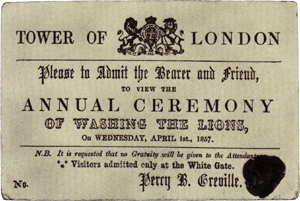
Characteristics and common practices
Typical April Fools' activities range from simple tricks played on friends and colleagues to elaborate media hoaxes. People often plan pranks to provoke laughter rather than lasting embarrassment, though cultural expectations about taste and limits differ. In many countries jokes are traditionally confined to the morning or to the first half of the day; playing a prank after that time may itself label the prankster as the "fool".
- Common personal pranks: harmless surprises, swapped items, fake announcements.
- Practical jokes at work or school: staged announcements, keyboard tricks, playful notices.
- Media and corporate hoaxes: fake product launches, spoof news stories and April 1 press releases.
Origins and historical notes
The exact origin of April Fools' Day is uncertain. Several theories exist: some point to calendar changes in the 16th century, which shifted New Year celebrations from late March/April to January and may have left behind those who continued older dates; others link the day to older springtime festivals in Europe that involved role reversal and playful behavior. Scholars treat these explanations cautiously and the holiday as a cultural phenomenon that evolved differently across regions.
Customs, rules and regional variations
Different countries maintain distinct customs. In parts of Europe a custom persists that pranks must stop at noon, and in others the emphasis is on verbal hoaxes rather than physical tricks. Some places refer to the day as All Fools' Day; in informal contexts people send jokes by message or on social media. News outlets, broadcasters and websites often participate with fictional stories, but reputable sources typically mark them clearly after the fact to avoid harm.
Examples, etiquette and safety
Examples of past April Fools' pranks include playful fake announcements, manufactured photos, and mock product claims. When planning pranks it is customary to consider consent, safety and possible consequences. Avoid stunts that could cause physical danger, serious alarm, financial loss or legal trouble. Where boundaries are unclear, ask whether the joke would be funny to the person targeted rather than only at their expense.
Further reading and references
For general background on how the day is observed in different places, see resources that survey international customs or collections of historical theories. Casual guides also offer lists of harmless ideas for April 1 celebrations. Communities and organizations publish their own guidance about acceptable pranks and workplace policies; use such local advice when planning participation. Many people celebrate the day with lighthearted jokes on friends and family: family and friends, social groups and online communities all take part. Media outlets and broadcasters often experiment with special pieces on April Fools' Day: special segments. For country-by-country notes and cultural variations, consult compendia that gather holiday customs worldwide: global perspectives. Annual reminders and calendars list the date and related commentary: April 1 details and yearly observance notes.
Questions and answers
Q: What is April Fools' Day?
A: April Fools' Day is a holiday celebrated in many countries on April 1 every year, where practical jokes (or April Fools) are played on friends and family.
Q: What kind of jokes are played on April Fools' Day?
A: Practical jokes are played on April Fools' Day to embarrass friends and family.
Q: Why is April Fools' Day celebrated?
A: April Fools' Day is celebrated as a fun holiday where people can play harmless jokes on each other.
Q: Is April Fools' Day celebrated worldwide?
A: Yes, April Fools' Day is celebrated in many countries worldwide.
Q: Is there a time limit to play practical jokes on April Fools' Day?
A: In some countries, April Fools' Day only lasts until noon. After that, if someone attempts to play a joke, they are considered the "April Fool."
Q: Who are the target audience for practical jokes on April Fools' Day?
A: Friends and family are usually the target audience for practical jokes on April Fools' Day.
Q: Are the practical jokes meant to harm anyone?
A: No, the jokes played on April Fools' Day are meant to be harmless and played for fun.
Related articles
Author
AlegsaOnline.com April Fools' Day: traditions, history, and modern practices Leandro Alegsa
URL: https://en.alegsaonline.com/art/5059
Sources
- independent.co.uk : The Independent newspaper