
Jeremy Thorpe (1929–2014) — British Liberal politician and public figure
Overview of Jeremy Thorpe, leader of the British Liberal Party (1967–1976), MP for North Devon (1959–1979), his career, the scandal and trial that ended his political life, and his later reputation.
John Jeremy Thorpe (29 April 1929 – 4 December 2014) was a prominent figure in British politics as a long-serving Liberal Member of Parliament and leader of the Liberal Party from 1967 to 1976. His parliamentary career stretched from 1959 until 1979, during which he became widely known for his public profile and energetic campaigning. Thorpe's reputation was irrevocably altered by a high-profile criminal trial in 1979 at the Central Criminal Court, where he was tried and acquitted of charges relating to an alleged plot against Norman Scott.
Image gallery
8 Images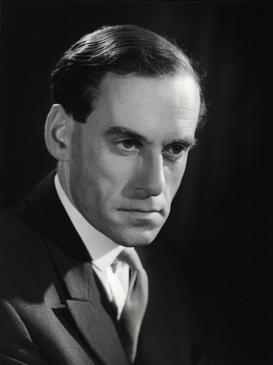




Early life and education
Thorpe was born in South Kensington, London, into a family with political connections: his father, John Henry Thorpe, had served as a Conservative Member of Parliament. He received a traditional upper‑class education, attending Eton College and then studying at Trinity College, Oxford, where he forged friendships and contacts that helped launch his political career. These formative years helped shape his political style and public persona.
Parliamentary career and leadership
First elected as the Member of Parliament for North Devon in 1959, Thorpe rose to lead the Liberal Party in 1967. As leader he sought to modernize the party's image and broaden its appeal in an era dominated by the Conservative and Labour parties. He was regarded as a skilled orator and an energetic campaigner who emphasized civil liberties and electoral reform, and he led the party through several national elections and internal changes.
Scandal, resignation and trial
Thorpe's leadership ended in 1976 amid controversy and allegations that later led to criminal charges. Central to the affair was Norman Scott, who accused Thorpe of personal misconduct and of arranging an attempt to silence him. Thorpe faced a trial for conspiracy to murder at the Central Criminal Court (Old Bailey) in 1979; he was acquitted, but the proceedings were sensational and widely covered by the press. The episode must be understood against the social and legal context of the time, when attitudes and laws regarding private life and sexuality were changing rapidly in Britain.
Aftermath and legacy
Although cleared in court, Thorpe never returned to frontline politics and his public standing remained damaged. The case has continued to attract attention as an example of how scandals can end political careers and as a subject for historical and cultural reassessment. In later decades the story inspired dramatizations and renewed public discussion about privilege, media, and the conduct of prominent politicians.
- Key facts: MP for North Devon 1959–1979; Liberal Party leader 1967–1976; tried and acquitted in 1979.
- For biographical summaries see brief biography and party histories at Liberal Party overview.
- Parliamentary record and speeches can be consulted via parliamentary archives.
- Thorpe's birthplace is noted in local histories of South Kensington.
- Background on his family is available in profiles of John Henry Thorpe.
- Details of his schooling appear in institutional histories of Eton College and Trinity College, Oxford.
- Contemporary reporting of the accusations used legal terms such as conspiracy and alleged murder attempts.
- The dispute involving Norman Scott is central to accounts of the case and its aftermath.
The Thorpe affair remains a notable episode in modern British political history because it intersects public life, private conduct and the workings of the criminal justice system. Readers seeking more detailed archival material or dramatized retellings can follow the links above for further reading and primary-source leads.
Questions and answers
Q: Who was Jeremy Thorpe?
A: Jeremy Thorpe was a British Liberal politician.
Q: When and where was Jeremy Thorpe born?
A: Jeremy Thorpe was born on April 29, 1929, in South Kensington, London.
Q: Who was Jeremy Thorpe's father?
A: Jeremy Thorpe's father was former Conservative Member of Parliament John Henry Thorpe.
Q: Where did Jeremy Thorpe study?
A: Jeremy Thorpe studied at Eton College and Trinity College, Oxford.
Q: How long was Jeremy Thorpe an MP for?
A: Jeremy Thorpe was an MP for North Devon from 1959 until 1979.
Q: When was Jeremy Thorpe leader of his party?
A: Jeremy Thorpe was leader of his party from 1967 until 1976.
Q: What was the outcome of the trial in which Jeremy Thorpe was accused of conspiracy to murder model Norman Scott?
A: In 1979 at the Central Criminal Court in London, Jeremy Thorpe was acquitted of conspiracy to murder model Norman Scott.
Related articles
Author
AlegsaOnline.com Jeremy Thorpe (1929–2014) — British Liberal politician and public figure Leandro Alegsa
URL: https://en.alegsaonline.com/art/49960
Sources
- express.co.uk : The downfall
- bbc.com : "Jeremy Thorpe: Was there an establishment cover-up?"
- dailymail.co.uk : "I was offered £13k to kill Jeremy Thorpe's stable boy love... says firearms collector who supplied gun that killed Norman Scott's dog"
- telegraph.co.uk : Marion's obituary
- telegraph.co.uk : "Jeremy Thorpe dies after a long battle with Parkinson's"
- itv.com : "Former Liberal Party leader Jeremy Thorpe dies"