
Jeremias Gotthelf (Albert Bitzius): Swiss novelist and pastor
Pen name of Albert Bitzius (1797–1854), a Swiss Reformed pastor and realist writer whose stories of the Bernese Emmental exposed rural life, moral conflicts and social change; best known for Die Schwarze Spinne.
Jeremias Gotthelf is the literary pseudonym of Albert Bitzius, a Swiss Reformed pastor and novelist whose fiction of the mid-19th century remains a primary source for readers interested in rural life, popular religiosity and social change in the Bernese Emmental. Born in 1797, Bitzius chose the name Jeremias Gotthelf when he published Bauernspiegel in 1837; the book presented itself as the autobiographical account of a fictional village pastor and immediately established the voice that would shape his later output. Readers and scholars continue to study Gotthelf both for his moral imagination and for the ethnographic detail of his portrayals of peasant communities. For biographical background see Albert Bitzius and for general context consult summaries at novelist and pastor resources.
Image gallery
4 Images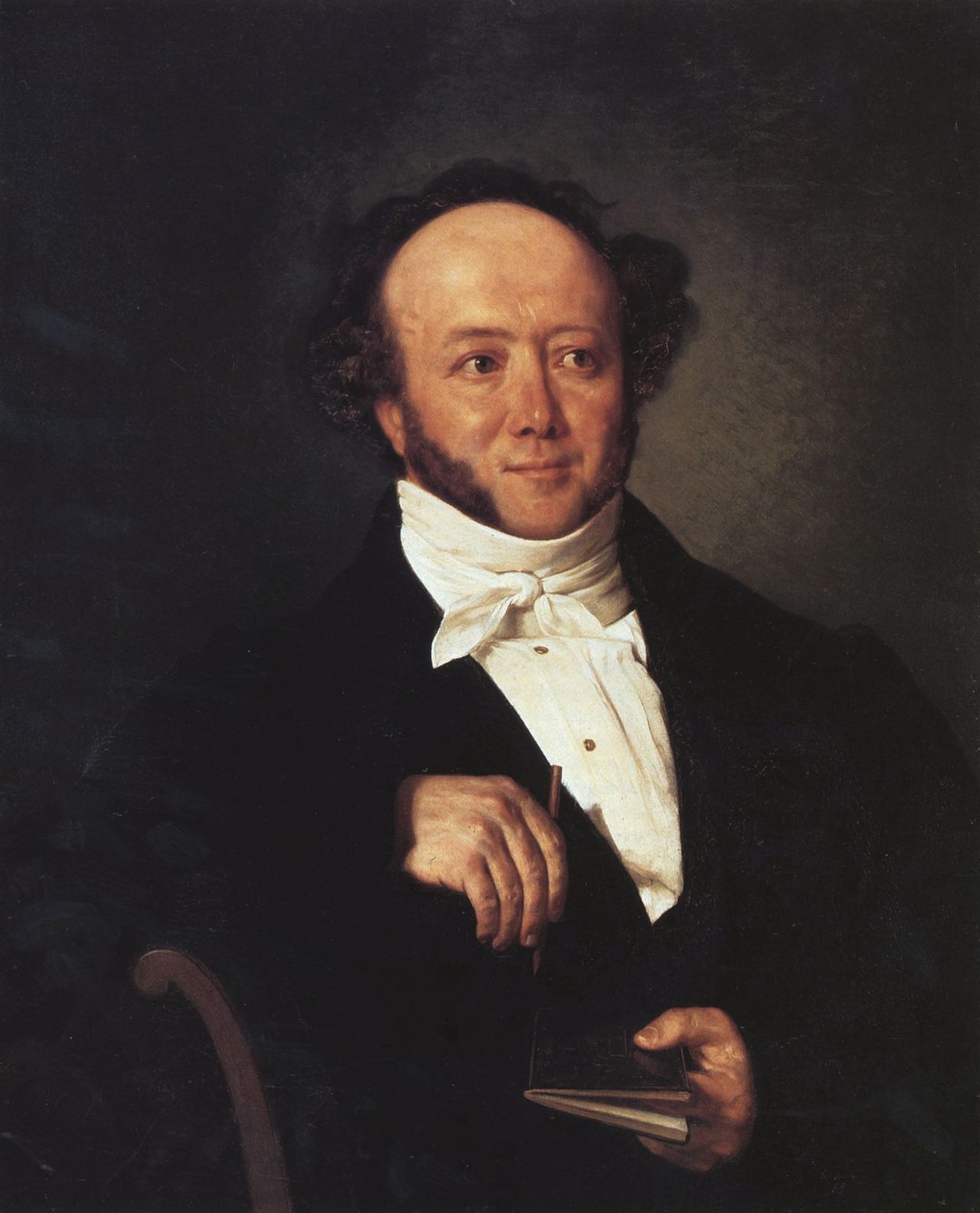


Life and pastoral career
Albert Bitzius was born in Murten in October 1797 into a clerical household and was raised in the Emmental after his family moved to Utzenstorf. He trained for the ministry, studied briefly at the University of Göttingen, and served in a number of parochial appointments in the canton of Bern. In 1832 he was appointed pastor of Lützelflüh, a village that became the setting and social laboratory for much of his fiction; he remained there for the rest of his life. His pastoral duties and daily familiarity with village people gave Bitzius the material for stories that combine moral instruction with close observation of working routines, religious anxieties and neighborhood disputes. For local details about his parishes see Murten, Utzenstorf and Göttingen as places linked to his formation.
Major works and narrative concerns
Bitzius published numerous tales, novellas and longer narratives in German that retain traces of Bernese dialect. His debut, Bauernspiegel (1837), framed the authorial voice of Jeremias Gotthelf as a teller who knows the countryside from observation rather than nostalgia. The novella Die Schwarze Spinne (The Black Spider) remains his most widely read work: a semi-allegorical tale in which a demonic pestilence, embodied by a spiderlike horror, is unleashed by a desperate bargain and later returns as a consequence of moral laxity. The tale mixes folktale structures with moral parable and has been widely anthologized for its compact power and symbolic density.
Other important narratives include Leiden und Freuden eines Schulmeisters (1838–39), Uli der Knecht (1841) and its sequel Uli der Pächter (1849), Anne-Bäbi Jowäger (1843–44), Käthi, die Großmutter (1846), Die Käserei in der Vehfreude (1850) and Erlebnisse eines Schuldenbauers (1853). These works alternate scenes of everyday labor, domestic conflict and communal celebration with episodes that expose ethical dilemmas, generational tensions and the pressures of economic change. A convenient list and editions of his collected writings are noted in contemporary bibliographies and later nineteenth-century editions compiled in Berlin and Bern; see collection references at collected works, Berlin edition and Bern edition.
Style, language and themes
Gotthelf's prose is broadly realist but infused with a pastoral and moral sensibility. He mixes standard High German narrative with local idioms and proverbs, producing writing that feels rooted in speech without becoming purely dialectal. Central themes are community responsibility, faith and the consequences of economic and social change. He often contrasts the integrity and hard work of honest villagers with the frustrations caused by greed, political rupture or spiritual decline. In several stories the plot turns on a moral test or a crisis in which community cohesion is at stake; such situations allow Bitzius to explore the limits and resources of rural solidarity.
Reception, politics and legacy
Contemporaries praised Gotthelf for authenticity and moral clarity; later critics have debated the didacticism and provincialism of his work while acknowledging its ethnographic value. Bitzius was politically engaged at a local level and was associated with moderate conservative positions in cantonal debates, which sometimes surfaced in his fiction as critiques of radical reformers; this has led readers to read his narratives as both social portrait and political commentary. He died in Lützelflüh in October 1854, leaving a substantial body of fiction that influenced Swiss literature and inspired translations, stage adaptations and scholarly study. For museum displays, biographical studies and modern editions consult local archives and anthologies or follow starting points indicated by library catalogs at further reading.
- Representative works: Bauernspiegel (1837), Die Schwarze Spinne, Uli der Knecht, Uli der Pächter, Anne-Bäbi Jowäger.
- Primary concerns: village life, moral crisis, faith, social change and folklore.
- Why read him: for historically informed portrayals of 19th‑century Swiss rural society and for compact moral storytelling that influenced German-language regional realism.
Questions and answers
Q: Who was Albert Bitzius?
A: Albert Bitzius was a Swiss novelist and pastor who is more famously known by his pen name, Jeremias Gotthelf.
Q: Where did he grow up?
A: He grew up in Utzenstorf, a village in the Bernese Emmental.
Q: What did he do after completing his education at Bern?
A: After completing his education at Bern, he visited the University of Göttingen and then returned home to act as his father's assistant.
Q: When did he marry one of his granddaughters?
A: He married one of his granddaughters in 1833.
Q: What is Bitzius' best known work?
A: His best known work is the short novel Die Schwarze Spinne (The Black Spider).
Q: How many children did he have?
A: He had three children - a son who became a pastor and two daughters who married pastors.
Q: What political party was Bitzius associated with?
A: Bitzius was associated with the Whig political party and strongly opposed to the Radical party in the canton.
Related articles
Author
AlegsaOnline.com Jeremias Gotthelf (Albert Bitzius): Swiss novelist and pastor Leandro Alegsa
URL: https://en.alegsaonline.com/art/49954
Sources
- encyclopedia.jrank.org : here