
Jenny Shipley — New Zealand’s first woman Prime Minister
Dame Jenny Shipley is a New Zealand politician who served as the country’s 36th Prime Minister (1997–1999). She led the National Party and held several senior ministerial roles before becoming prime minister.

Overview
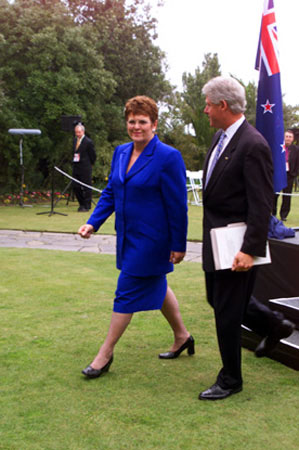
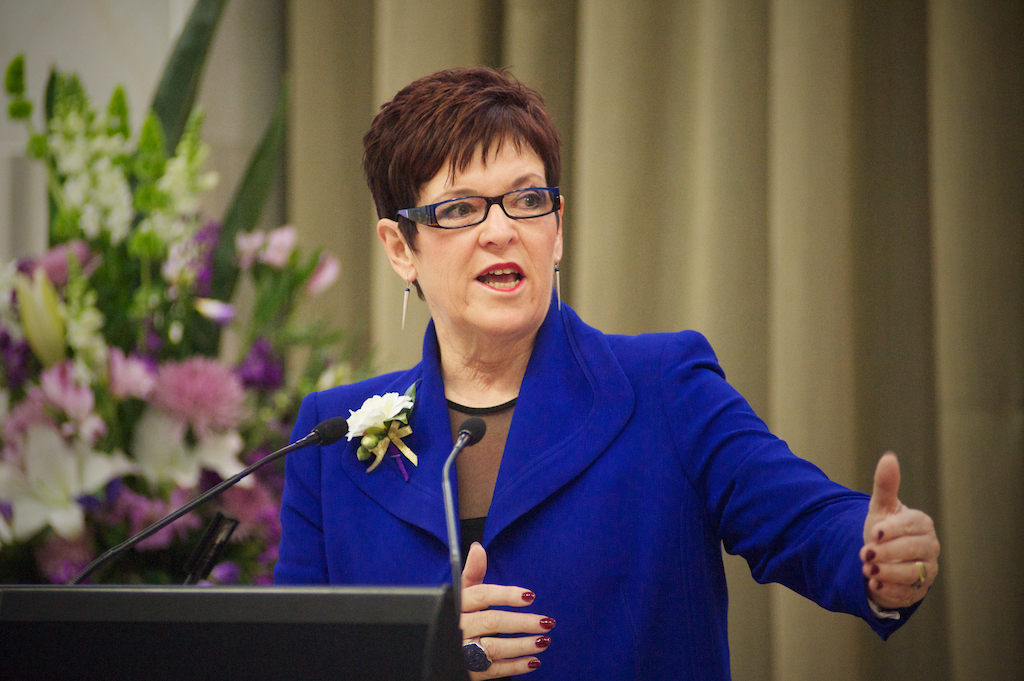
Dame Jennifer Mary Shipley DNZM (born 4 February 1952) is a former New Zealand politician and cabinet minister. She became the 36th Prime Minister of New Zealand from 1997 to 1999 and was the first woman to hold that office. She is also the only woman to have led the National Party at a national level. Shipley’s political career spanned the late 1980s and 1990s, a period of significant economic and social change in New Zealand.
Image gallery
4 Images

Early life and community work
Born in Gore and raised in rural Canterbury, Shipley became involved with a range of local and regional community organisations before seeking parliamentary office. Her early public service background and local profile helped launch her parliamentary career when she first stood for election. Prior to standing for Parliament she had built experience in community networks that informed her later work in social policy and women’s affairs. Her entry into national politics is often described in terms of grassroots engagement and regional representation prior to politics.
Parliamentary and ministerial career
Shipley was first elected to the New Zealand Parliament in the 1987 election, winning the Ashburton electorate. When the National Party formed government in 1990 she was appointed to Cabinet by Prime Minister Jim Bolger. Over the following years she held several senior portfolios, including:
- Minister of Social Welfare (1990–1996), responsible for social policy and welfare administration;
- Minister for Women’s Affairs (1990–1996), advocating on issues affecting women;
- Associate roles in Health (1993–1996) and Transport (1996–1997), contributing to cross-cutting policy areas.
Her ministerial responsibilities placed her at the centre of debates about social reform and public services during the 1990s, when New Zealand was adapting to new economic and social priorities.
Premiership and the 1999 election
In December 1997 Jim Bolger resigned as prime minister and Shipley was chosen unopposed to replace him as leader of the National Party and prime minister. Her time as Prime Minister included managing a minority government environment and pursuing her party’s agenda amid shifting political alliances. She led National into the 1999 general election; the result brought a change of government and the Labour Party formed the next administration under Helen Clark, at which point Shipley left the premiership.
Notable actions and later life
Shipley is noted for several firsts and for symbolic acts that reflected changing social attitudes. She was the first New Zealand prime minister to attend the gay and lesbian Hero Parade and publicly engaged with issues affecting minority communities, a move that attracted attention at the time. During and after her time as leader she continued to be a public figure, holding the title of Dame and remaining a reference point in discussions about women in politics and political leadership.
Legacy and significance
Shipley’s political career is significant for breaking gender barriers at the highest level of New Zealand government and for her long service in portfolios related to social welfare and women’s affairs. She remains the only woman to have led the National Party and is part of a broader story about the increasing role of women in political leadership in New Zealand. For readers seeking more detail about her parliamentary service, ministerial responsibilities and public statements, see archival material and biographies that document her time in office and the policies pursued by her government further reading.
Selected references and topics for further exploration include her ministerial time in social welfare and health, her leadership transition in 1997, and the 1999 election outcome. Additional resources on related political figures and events can be found via party histories and New Zealand political archives lesbian Parliament records and contemporary media coverage coverage. For broader context on the National Party and its leaders see party material National Party and leadership profiles prime ministerial list as well as commentary on social policy reform Bolger era and community engagement LGBT events.
Questions and answers
Q: Who was the first female Prime Minister of New Zealand?
A: Dame Jennifer Mary Shipley DNZM was the first female Prime Minister of New Zealand.
Q: Where was Shipley born?
A: Shipley was born in Gore, Southland.
Q: What organizations did she work with before entering politics?
A: Before entering politics, Shipley was involved with several community organizations.
Q: When did she enter Parliament?
A: She entered Parliament in 1987 after winning the Ashburton electorate.
Q: What positions did she hold when National Party returned to power in 1990?
A: When the National Party returned to power in 1990, Shipley was appointed to the Cabinet of New Zealand under Jim Bolger as Minister of Social Welfare (1990-1996), Minister for Women's Affairs (1990-1996), a member of the Minister of Health (1993-1996) and a member of the Minister of Transport (1996-1997).
Q: How did she become Prime Minister?
A: In December 1997, after Bolger resigned as Prime Minister, Shipley was elected as his replacement unopposed.
Q: What event did she attend as Prime Minister?
A:Shipley was the first Prime Minister to attend the gay and lesbian Hero Parade.
Related articles
Author
AlegsaOnline.com Jenny Shipley — New Zealand’s first woman Prime Minister Leandro Alegsa
URL: https://en.alegsaonline.com/art/49915
Sources
- biography.com : "Jenny Shipley"
- nzhistory.govt.nz : "Jenny Shipley"
- tearaway.co.nz : "Pride and Progress-The Past and the Future"