
Apple Corps Ltd.: The Beatles' multimedia company
Apple Corps Ltd. is a multimedia company formed by the Beatles in 1968 to manage creative projects, a record label, retail and film ventures, and later the source of long-running trademark disputes with Apple Inc.
Overview
Apple Corps Ltd. is a multimedia company established by The Beatles in 1968. Conceived as a vehicle for the group’s artistic, business and philanthropic activities, it combined record publishing, artist management, retail and film production under one roof.
Image gallery
3 Images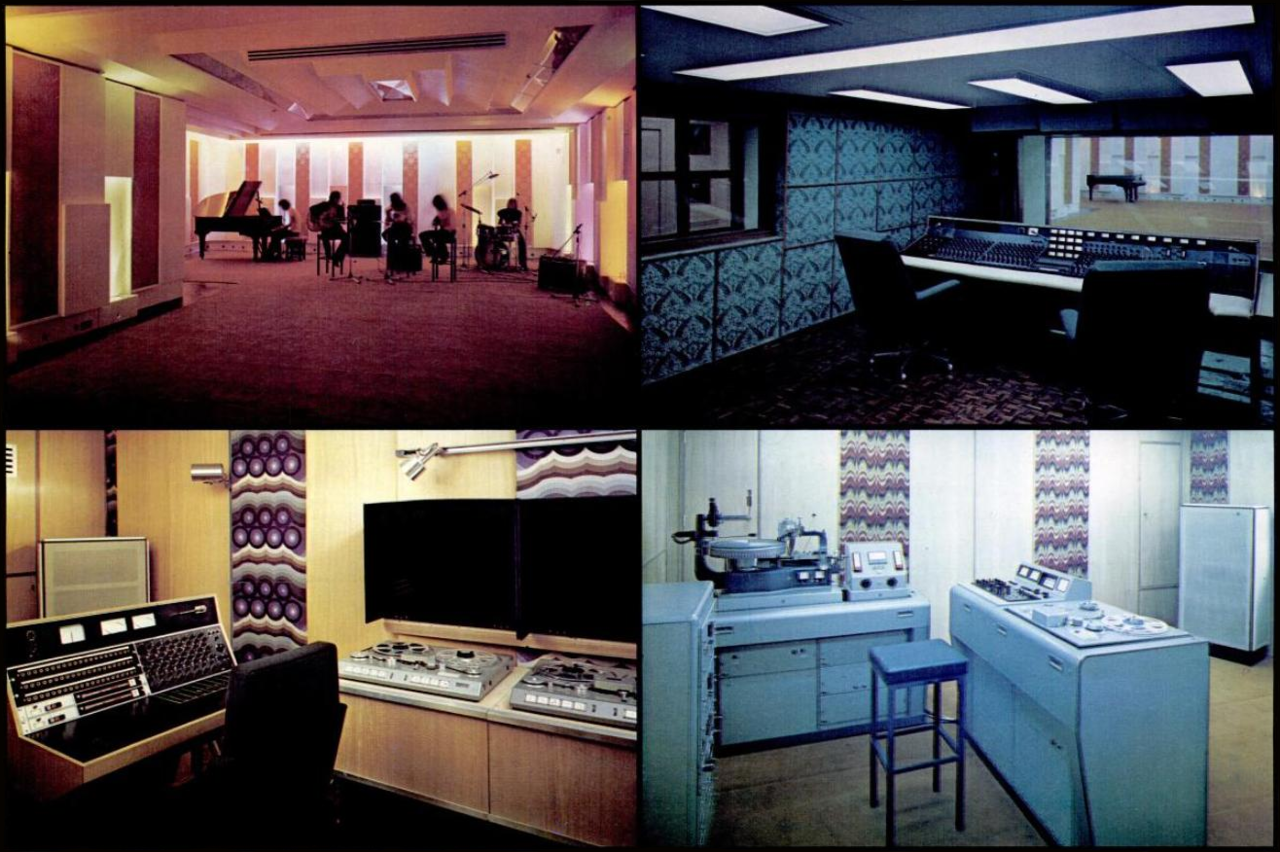


Organization and main activities
The enterprise operated through several semi-independent divisions intended to support creative work and to sign or promote other artists. Key functions included:
- Apple Records – the record label that issued Beatles singles and releases by other acts.
- Publishing and management – to handle song rights and artist contracts.
- Retail and film – ventures such as a boutique shop and a film production arm associated with Beatles projects.
Origin and early history
Apple Corps grew out of earlier Beatles business structures and incorporated elements from NEMS Enterprises, the company linked to their manager Brian Epstein. The company’s London offices became a creative hub; its rooftop at Savile Row is famously known as the site of the Beatles’ final public performance during the Get Back/Let It Be sessions.
Notable projects and artists
Apple released landmark Beatles material and signed a number of other musicians. While not all ventures succeeded commercially, several Apple-backed artists achieved chart success. Examples include acts associated with the Apple label and film or publishing projects that extended the Beatles’ influence beyond their own recordings.
Legal disputes and later developments
Over decades Apple Corps was involved in repeated trademark disputes with Apple Inc., the technology company, about the use of the "Apple" name and logo in music and electronics. Those disputes were long running and were brought to a resolution by settlement in 2007. Subsequent arrangements addressed rights and distribution in the digital era.
Legacy
Apple Corps is remembered as an ambitious, if sometimes uneven, attempt by artists to control and diversify their creative output. Its record label, distinctive projects and the famous rooftop concert have become enduring parts of Beatles history, and its legal history helped define how artists and technology companies handle intellectual property in music.


Related articles
Author
AlegsaOnline.com Apple Corps Ltd.: The Beatles' multimedia company Leandro Alegsa
URL: https://en.alegsaonline.com/art/4978