
Jean Fouquet: Pioneer of French Renaissance Painting and Illumination
Jean Fouquet (c.1420–1481) was a leading French painter and illuminator who blended Gothic tradition with Italian Renaissance influence and pioneered portrait miniatures.
Overview
Jean Fouquet is recognized as one of 15th-century France's most important artists. A versatile painter, he worked in both large-scale panels and intimate book images, earning reputation for technical skill, clear draftsmanship, and perceptive portraiture. Scholars credit him with early experiments in the portrait miniature and with introducing aspects of the Italian Renaissance into French art.
Image gallery
10 Images




Style and technique
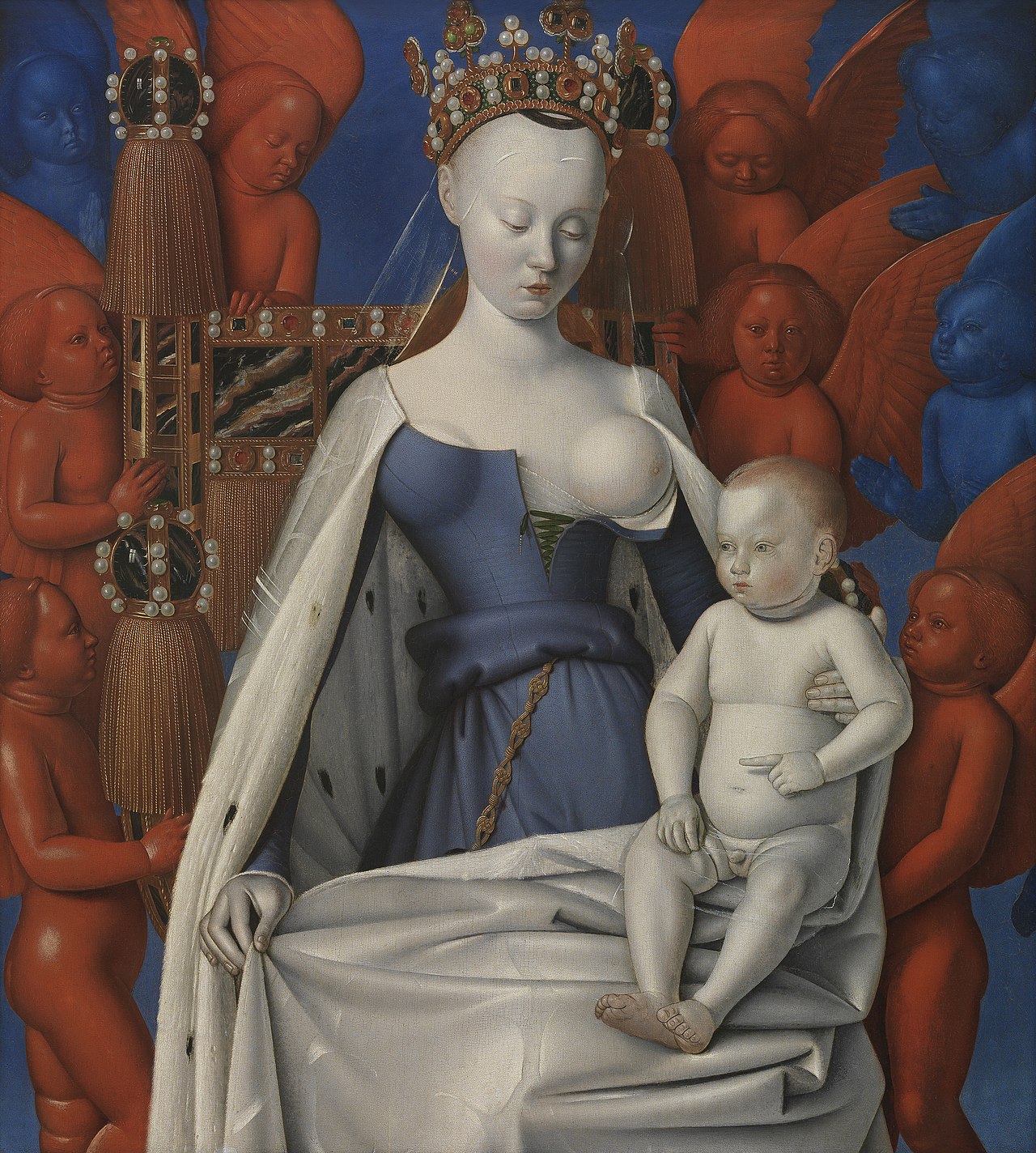
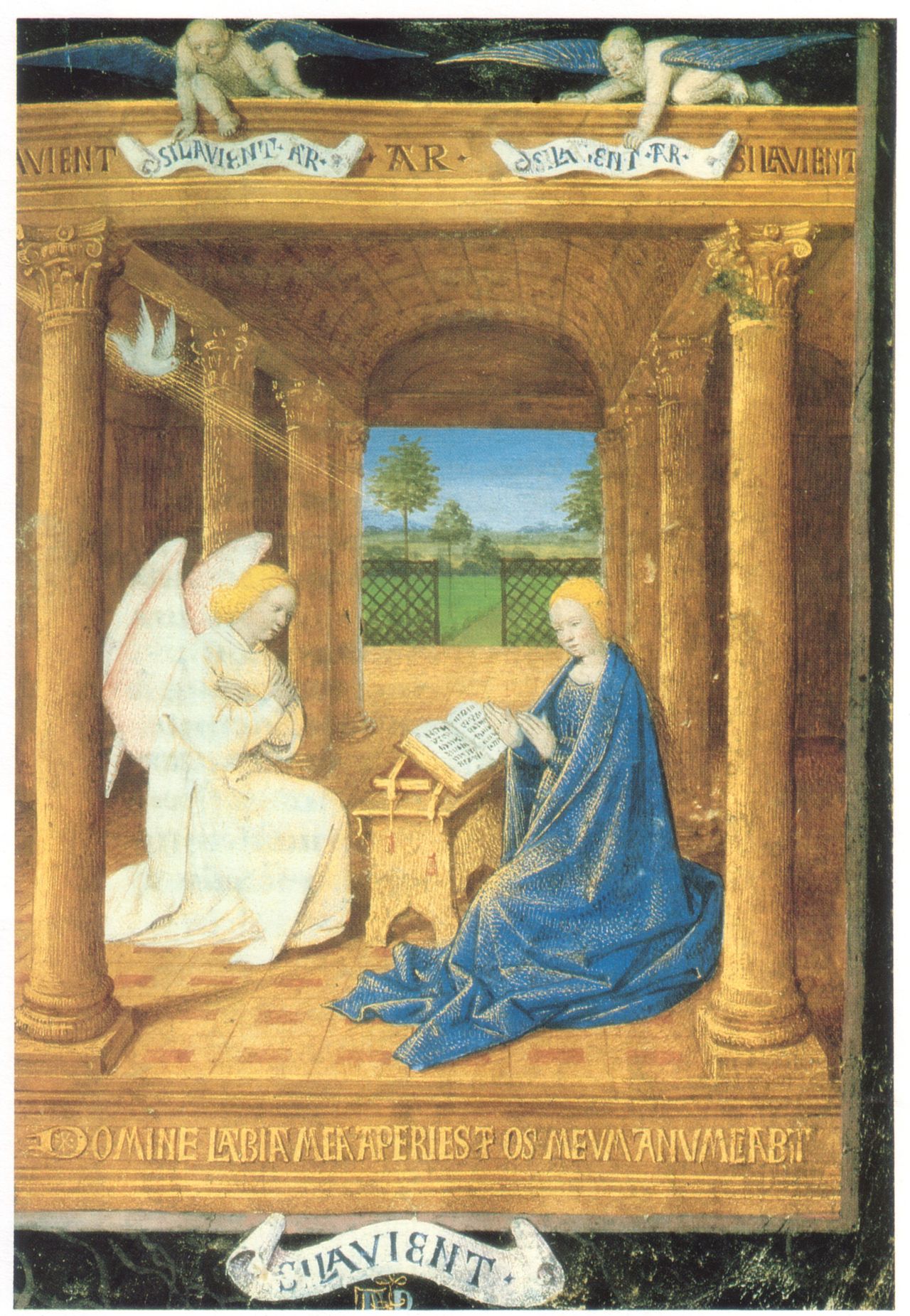
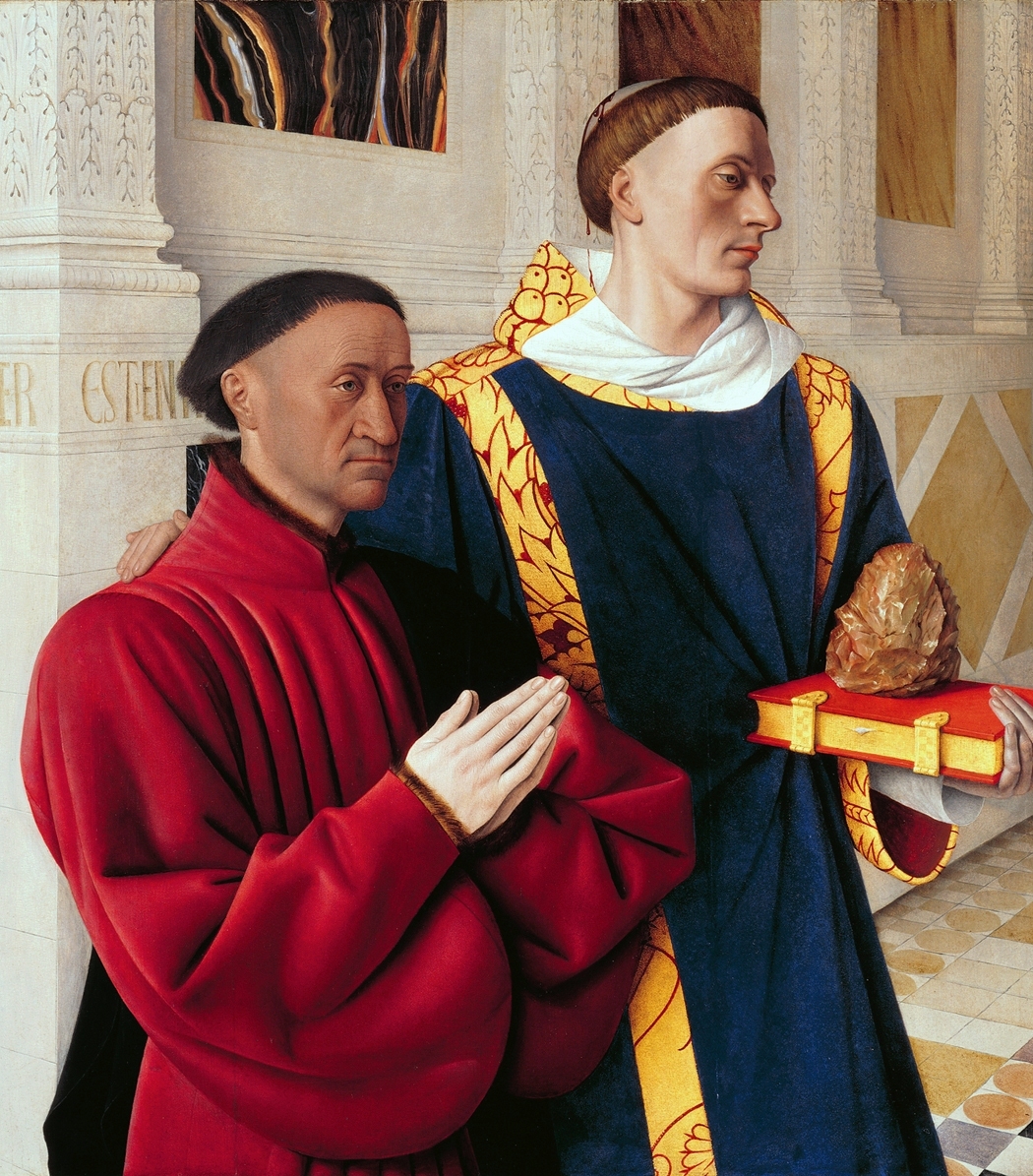
Fouquet combined native French Gothic traditions with lessons drawn from the early Italian Renaissance. His panel work shows careful modeling of faces and an interest in spatial coherence, while his illuminated manuscripts demonstrate exceptional control of color and fine line. He worked across media, excelling at oil and tempera panels as well as at manuscript illumination; these complementary practices reinforced his ability to render fine detail and psychological likeness.
Major works and examples
Among works regularly associated with Fouquet are devotional panels and richly decorated Books of Hours. His mastery is apparent in both the scale and intimacy of his output: his larger devotional paintings and diptychs share formal clarity with his smaller, jewel-like illuminations. Many readers will encounter his name in connection with iconic devotional scenes and portraits produced for high-ranking patrons.
Patronage and travels
Fouquet worked for important figures of his era, producing commissions for court and wealthy clients. He is often noted as the first significant French artist to travel to Italy, where contact with contemporary Italian painting informed his evolving approach. His patrons included public officials and members of the royal household; his illuminations served both liturgical and private devotional use.
Legacy and notable facts
Fouquet's reputation rests on his role in the transition between medieval and Renaissance art in France. He is remembered for the precision of his portraiture, the refinement of his miniatures, and for innovations that influenced later French artists. He is sometimes described as the apparent inventor of the portrait miniature and is credited with bringing new pictorial ideas north of the Alps.
- Typical attributions: devotional panels and Books of Hours illuminated in a restrained, luminous palette (manuscript illumination).
- Technical range: both easel and panel painting as well as minute book illustrations (panel painting).
- Distinction: early French artist to engage directly with Italian models and to shape secular portrait practice.
For further study, consult art-historical treatments of 15th-century French painting and catalogues of late medieval illumination to see Fouquet's work in context.
Questions and answers
Q: Who was Jean Fouquet?
A: Jean Fouquet was a prominent French painter of the 15th century and an expert in panel painting and manuscript illumination.
Q: What is Jean Fouquet known for?
A: Jean Fouquet is known as the originator of the portrait miniature, as well as being a master of both panel painting and manuscript illumination.
Q: What was Jean Fouquet's contribution to the French art scene?
A: Jean Fouquet was one of the first French artists to travel to Italy, where he witnessed the early Italian Renaissance and brought back new ideas and techniques to the French art scene.
Q: In what century did Jean Fouquet live?
A: Jean Fouquet was active during the 15th century.
Q: What was the specialty of Jean Fouquet's paintings?
A: Jean Fouquet was skilled in both panel painting and manuscript illumination.
Q: What was the title for the portraits that Jean Fouquet created?
A: Jean Fouquet created the first portrait miniatures.
Q: What country did Jean Fouquet travel to that influenced his art?
A: Jean Fouquet traveled to Italy, where he experienced the early Italian Renaissance and was inspired by new ideas and techniques.
Related articles
Author
AlegsaOnline.com Jean Fouquet: Pioneer of French Renaissance Painting and Illumination Leandro Alegsa
URL: https://en.alegsaonline.com/art/49714
Sources
- britannica.com : Encyclopædia Britannica