
Jean Cocteau: French poet, playwright, filmmaker and multidisciplinary artist
Jean Cocteau (1889–1963) was a French modernist creator whose work in poetry, theatre, design, and film brought avant‑garde ideas into European culture and influenced later cinema and art.
Jean Cocteau (Jean Maurice Eugène Clément Cocteau, 5 July 1889 – 11 October 1963) was a prolific French creator who worked across poetry, theatre, visual design and cinema. Best known for combining literary imagination with visual and theatrical experiment, he earned a reputation as a multidisciplinary and public‑facing artist. He published poetry and novels, wrote and staged plays and ballets, designed sets and costumes, acted on stage and screen, managed sporting ventures early in life, and directed films that brought avant‑garde techniques to wider audiences.
Image gallery
10 Images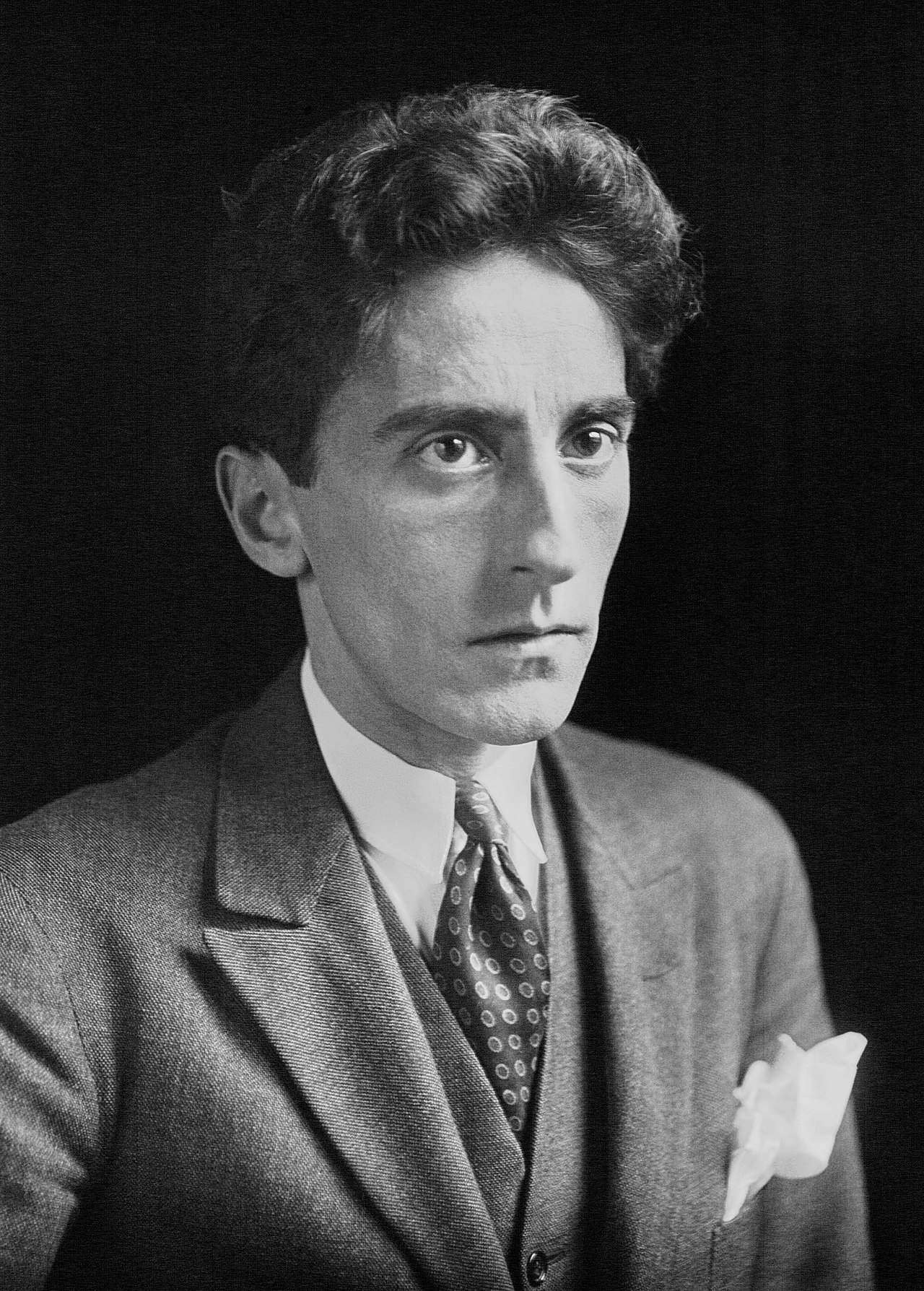


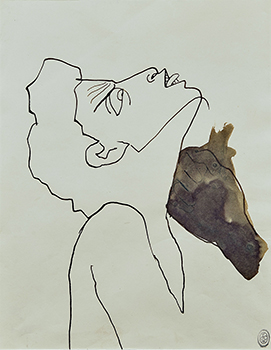


Artistic profile and style
Cocteau's work blends myth, dream imagery, wit and formal elegance. His poetry and prose often recycle classical themes—Orpheus and other mythic figures—with contemporary psychological insight. On stage and in ballets he favored spare, symbolic imagery; in film he explored visual metaphor and cinematic illusion, using camera movement, montage and sound to create a poetic logic rather than straightforward realism. Across media he sought to collapse boundaries between literary and visual arts, a hallmark of the broader modernist and avant‑garde milieu with which he was associated. He is frequently described as a modernist and an innovator who remained conversationally connected to both popular audiences and avant‑garde circles.
Major works and forms
Cocteau produced important works in several forms. His early poetry and essays established his reputation; his novel Les Enfants Terribles (1929) became a touchstone for psychological fiction and was adapted for stage and screen. In theatre and dance he wrote or collaborated on numerous productions, including scenarios for ballets and stage pieces. His films are among his most enduring achievements: Le Sang d'un poète (The Blood of a Poet, 1930) announced his cinematic experiments; La Belle et la Bête (Beauty and the Beast, 1946) remains a celebrated adaptation of fairy tale material; and Orphée (Orpheus, 1950) restated his lifelong fascination with myth and death.
- Poetry and prose: early collections and novels that combined lyricism with narrative.
- Theatre and ballet: plays and librettos, including works staged with modern dance and musical collaborators.
- Film: visually inventive features and shorts that influenced later generations of filmmakers.
Collaborations and social circle
Cocteau lived and worked among many leading cultural figures of the 20th century. He collaborated on stage and film projects with painters, composers and choreographers, and he maintained long friendships with artists such as Pablo Picasso. Early in his career he contributed to projects for the Ballets Russes and worked with composers and designers on experimental productions. He was also a public personality, linked by friendships and collaborations to actors who performed in his films and plays.
Notable roles and lesser‑known facts
Beyond his artistic output, Cocteau took on varied public roles: he acted on stage and screen, served as a manager in the world of boxing for a time, and worked as a designer of stage and film sets. These diverse activities illustrate his belief that life and art should interpenetrate—an idea that freed his practice from narrow specialization and helped him bring avant‑garde methods into more popular contexts.
Honors, influence and legacy
Cocteau received official recognition during his lifetime: he was elected to the Académie Française in 1955 and awarded high French distinctions, including ranks in the Légion d'honneur. His films and theatrical experiments were influential for later European cinema, including filmmakers associated with the French New Wave who admired his narrative daring and visual invention. Artists and critics continue to study Cocteau for his ability to move between media while maintaining a consistent symbolic imagination.
For further context on his multifaceted career and works across media, see entries on his roles as a poet, a playwright, an actor and a designer. Other aspects of his life—his ties to performance and sport as a boxing manager, his contributions to ballets, his presence in modernist circles as a modernist, and his wider cultural role as an artist—remain subjects of study and fascination.
Questions and answers
Q: Who was Jean Cocteau?
A: Jean Cocteau was a French artist, poet, novelist, dramatist, designer, boxing manager, playwright, moviemaker and actor.
Q: What type of performances did Jean Cocteau work on?
A: Jean Cocteau wrote or worked on 21 stage performances, some of which were ballets, and some were plays.
Q: What was Jean Cocteau's contribution to French cinema?
A: Jean Cocteau's movies, most of which he both wrote and directed, were particularly important in introducing the avant-garde into French cinema and influenced the upcoming French New Wave genre.
Q: Who did Jean Cocteau work with on several projects?
A: Jean Cocteau worked with Pablo Picasso on several projects and was friends with most of the European art community.
Q: What was Jean Cocteau's artistic style?
A: In all his creative work, Jean Cocteau was a modernist.
Q: What honors was Jean Cocteau awarded during his life?
A: During his life, Jean Cocteau was made a Commander of the Légion d'honneur and was also made a member of the Académie Française and The Royal Academy of Belgium.
Q: When was Jean Cocteau born and when did he pass away?
A: Jean Cocteau was born on 5 July 1889 and passed away on 11 October 1963.
Related articles
Author
AlegsaOnline.com Jean Cocteau: French poet, playwright, filmmaker and multidisciplinary artist Leandro Alegsa
URL: https://en.alegsaonline.com/art/49709