
Javelin: design, history and the sport of throwing
A javelin is a light spear intended to be thrown. This article explains its construction, athletic use in the javelin throw, historical origins, technique, rules, and notable developments.
The javelin is a light spear designed primarily to be thrown by hand. As a simple projectile it served for hunting and warfare in many cultures; as a controlled athletic discipline it survived from ancient competition into modern track and field. For background on similar pole weapons see spear.
Image gallery
9 Images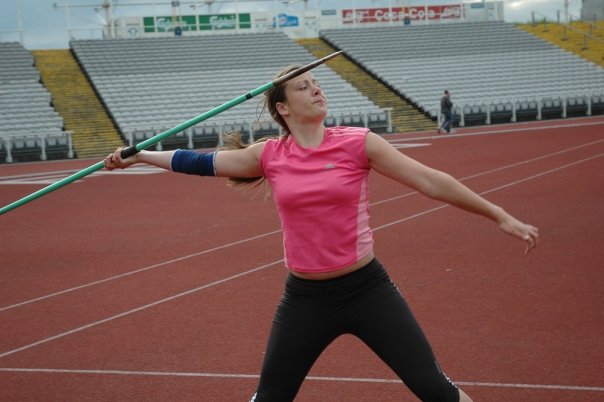


Design and parts
Modern javelins are built to balance stiffness, weight and aerodynamics. Historically made of wood, contemporary examples use aluminum, steel or composite materials such as carbon fiber. Key parts include:
- Tip: a pointed metal or hardened end intended to penetrate the ground on landing.
- Shaft: the main body, whose stiffness influences flight.
- Grip: a leather or cord section where the thrower holds the implement.
Sporting event and technique
In athletics the javelin throw is a field event in which a competitor runs within a marked approach and releases the implement to achieve maximum horizontal distance. The throw combines speed, coordination and timing: athletes accelerate down the runway, use controlled crossover steps, plant the front foot and transfer momentum through the torso into the arm. Proper release usually aims for a nose-down attitude so the tip strikes the ground first, which is required for a valid measurement. For information about the event in sports contexts see the javelin event.
History and development
The javelin throw traces to ancient competitions, notably the pentathlon of the classical Greek games, where skill with a throwing spear was valued alongside running and jumping. Over centuries similar light spears appeared in many cultures. When athletics were codified in the modern era, the javelin was included as a distinct throwing discipline and evolved into specialized equipment and technique.
Rules, safety and notable changes
Competition rules govern weight, length and how a throw is delivered and measured. Throws must land tip-first inside a marked sector and the athlete must not foul by stepping over the runway line. For safety, stadiums maintain clear landing sectors and officials enforce procedures. In recent decades manufacturers and governing bodies adjusted javelin balance and shape to shorten flight distances and make landings more consistent; those changes also affected records and technique. For profiles of competitors and training approaches see athlete guides.
Uses and significance
Beyond competition, the javelin remains a subject of study in biomechanics and coaching because it combines sprinting, throwing and rotational power. It also illustrates how simple tools can be adapted across millennia from hunting and warfare to a regulated competitive sport. Coaches focus on strength, flexibility and technical drills to maximize distance while reducing injury risk to the shoulder and elbow.
Questions and answers
Q: What is a javelin?
A: A javelin is a light spear designed to be thrown.
Q: How has the javelin been used throughout history?
A: Historically, the javelin was used as a weapon, but from the Ancient Greeks to today it is used for sport.
Q: Is the javelin always thrown by hand?
A: Yes, the javelin is almost always thrown by hand.
Q: Is javelin throw an official Olympic sport?
A: Yes, javelin throw is an official Olympic sport.
Q: What is the javelin throw event?
A: The javelin throw is a sports event, one of the field events which survive from the original Olympic Games.
Q: How does the athlete throw the javelin in the javelin throw event?
A: The athlete holds the javelin in one hand and, while running, throws it as far as possible.
Q: What makes javelin different from other throwing events?
A: Unlike other throwing events, javelin allows the competitor to build speed over a considerable distance.
Related articles
Author
AlegsaOnline.com Javelin: design, history and the sport of throwing Leandro Alegsa
URL: https://en.alegsaonline.com/art/49648
Sources
- databaseolympics.com : databaseOlympics.com