
Jan Hus: Bohemian Reformer and the Origins of the Hussite Movement
Jan Hus (c.1370–1415) was a Czech priest and reformer whose criticism of church practice and advocacy of vernacular preaching influenced later Protestant movements and sparked the Hussite Wars.
Overview
Jan Hus was a Czech theologian, preacher and early church reformer whose teachings in the early 15th century challenged ecclesiastical abuses and helped ignite a powerful social and religious movement in Bohemia. Born near Husinec in the region known then as Bohemia, now part of the Czech Republic, Hus combined moral critique of clerical corruption with an insistence on scriptural authority and pastoral care in the vernacular.
Image gallery
10 Images
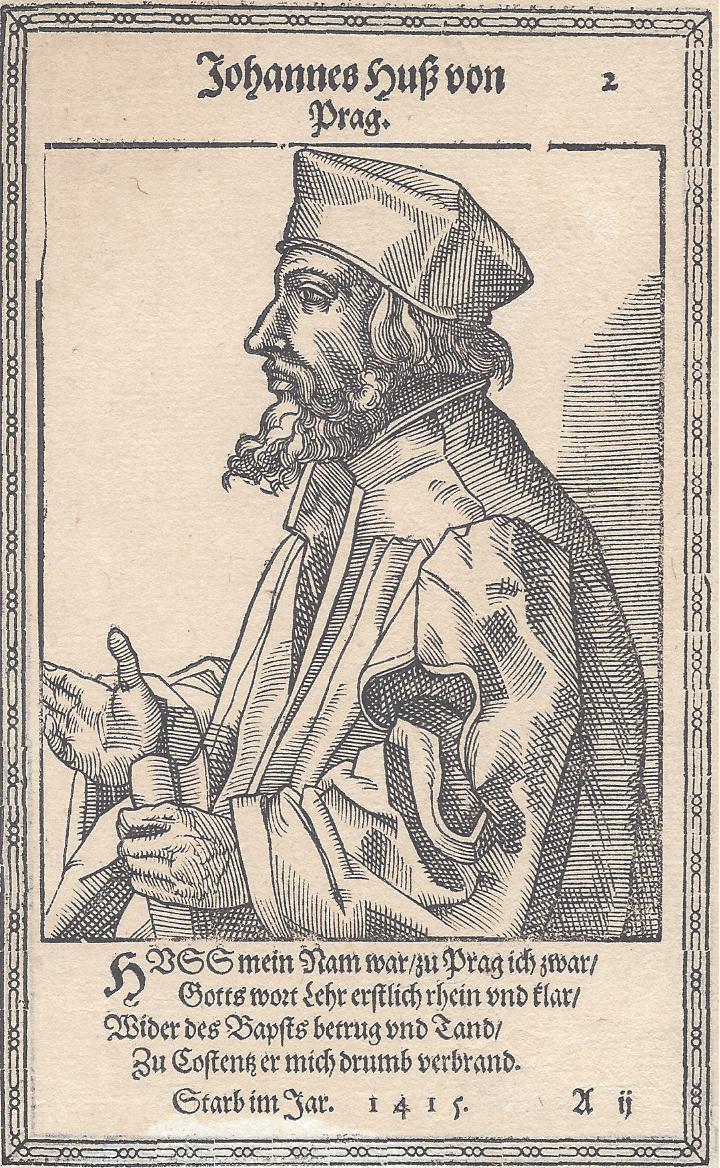


Early life and education
Raised in a small Bohemian town, Hus studied at the University of Prague (later Charles University) where he trained for the priesthood and was exposed to the writings of English scholar John Wycliffe. He became a priest around 1400 and gained a reputation as an eloquent preacher who favored delivering sermons in Czech rather than only in Latin. His pastoral approach emphasized moral reform, rigorous discipline for clergy, and attention to lay piety.
Teachings, criticisms, and controversies
Hus drew on several ideas that set him at odds with ecclesiastical authorities. He criticized the moral laxity and worldliness of many church leaders, questioned the sale of indulgences, and promoted greater access to the Scriptures and sacramental practice for ordinary believers. Among the reforms he supported were:
- Preaching and pastoral care in the vernacular to reach ordinary people.
- Calls for clerical reform and greater accountability.
- Support for receiving communion in both kinds (bread and wine) for laypeople.
These positions, influenced by but not identical to Wycliffe’s ideas, drew increasing opposition from local bishops and other church officials, including Archbishop Zbyněk Zajíc, who moved against Hus’s writings and followers.
Trial, excommunication, and execution
Hus’s public disagreements with church authorities led to formal censure. He was placed under excommunication by church leaders and ultimately summoned to the ecumenical Council of Constance, convened to address divisions and reform within the church. Promised safe conduct but not assured of leniency, Hus was arrested, tried for heresy, and in 1415 condemned. He was executed by burning on 6 July 1415 in Konstanz, in what was then part of Germany.
Legacy and the Hussite movement
Hus’s death galvanized his supporters in Bohemia. The movement that bore his name—known as the Hussites—combined religious, social and national impulses and became a major force in Central Europe. The Hussite Wars, beginning after his death, involved a range of factions and demands for religious reform, and had long-term effects on Bohemian identity and the wider history of the Reformation. While radical and moderate elements differed sharply, the movement kept alive key themes of scripture, vernacular worship, and critique of ecclesiastical power.
Notable distinctions and historical significance
Jan Hus occupies a distinctive place in pre-Reformation history. He is often remembered as a precursor to later Protestant reformers because of his emphasis on scripture and moral renewal, yet his movement also reflected specific Bohemian social and political conditions. Hus’s life illustrates how theological controversy and institutional authority can intersect with language, national sentiment, and popular devotion to produce lasting change.
For further reading and primary sources, see works and sites linked here: Husinec and Bohemian background, modern Czech context, Wycliffe’s influence, Czech preaching traditions, archiepiscopal responses, canon law and excommunication, Council of Constance, Konstanz, German jurisdiction in the period.
Questions and answers
Q: Who was Jan Hus?
A: Jan Hus was a Bohemian religious thinker and reformer who started a religious movement that was heavily influenced by the beliefs of British scholar, John Wycliffe.
Q: Where was Jan Hus born?
A: Jan Hus was born in Husinec, Bohemia, which is now the Czech Republic.
Q: Where did Hus study?
A: Hus studied at the University of Prague.
Q: What was Hus’ position in the church?
A: Hus became a Catholic priest in about 1400 and was soon accepted a position of preaching in Czech, the language spoken in Bohemia.
Q: What did Hus think of John Wycliffe’s writings?
A: Hus studied Wycliffe’s writings and came to like them, especially because of how authentic and real they were.
Q: What happened to Hus when he asked the church to undo the ban on Wycliffe’s writings?
A: In 1403, Hus asked the church to undo the ban on Wycliffe's writings and translated them into Czech. The church, led by Archbishop Zbynek Zajíc, had different beliefs. In 1410, Zajíc ordered that Hus’ writings be burned and Hus and his followers, the Hussites, be forced out of the church. Hus was excommunicated in 1411, condemned by the Council of Constance, and burned at the stake on 6 July 1415, in Konstanz, Germany.
Q: What happened to Hus’ followers after he was killed?
A: When Hus was killed, his followers revolted and fought against the Catholics until they were defeated in 1431.
Related articles
Author
AlegsaOnline.com Jan Hus: Bohemian Reformer and the Origins of the Hussite Movement Leandro Alegsa
URL: https://en.alegsaonline.com/art/49355