
James Jabara — first American jet ace and Korean War fighter pilot
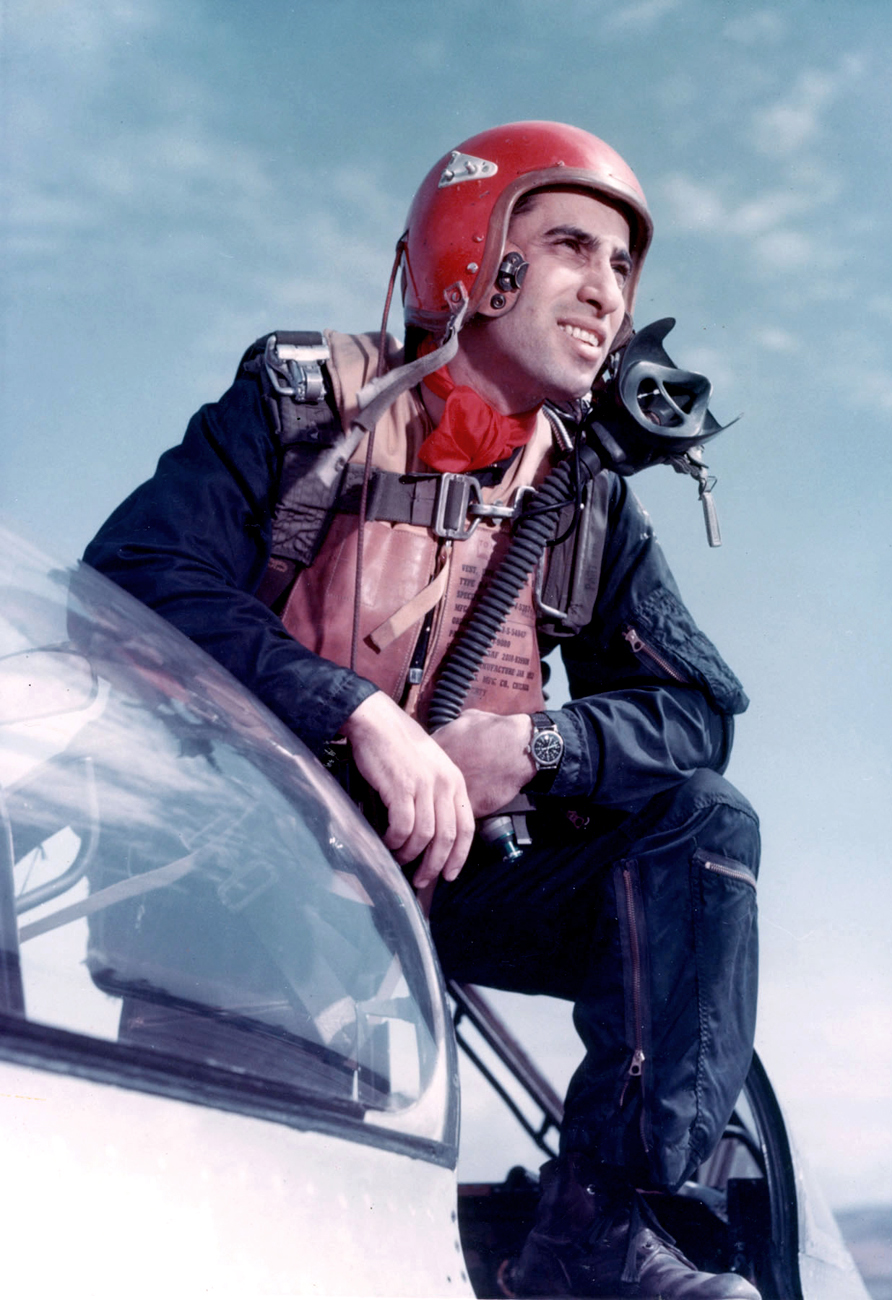
James "Jabby" Jabara (1923–1966) was a United States jet fighter pilot in the Korean War, credited with becoming the first American ace in jet-to-jet combat and a triple ace with 15 MiG-15 kills.
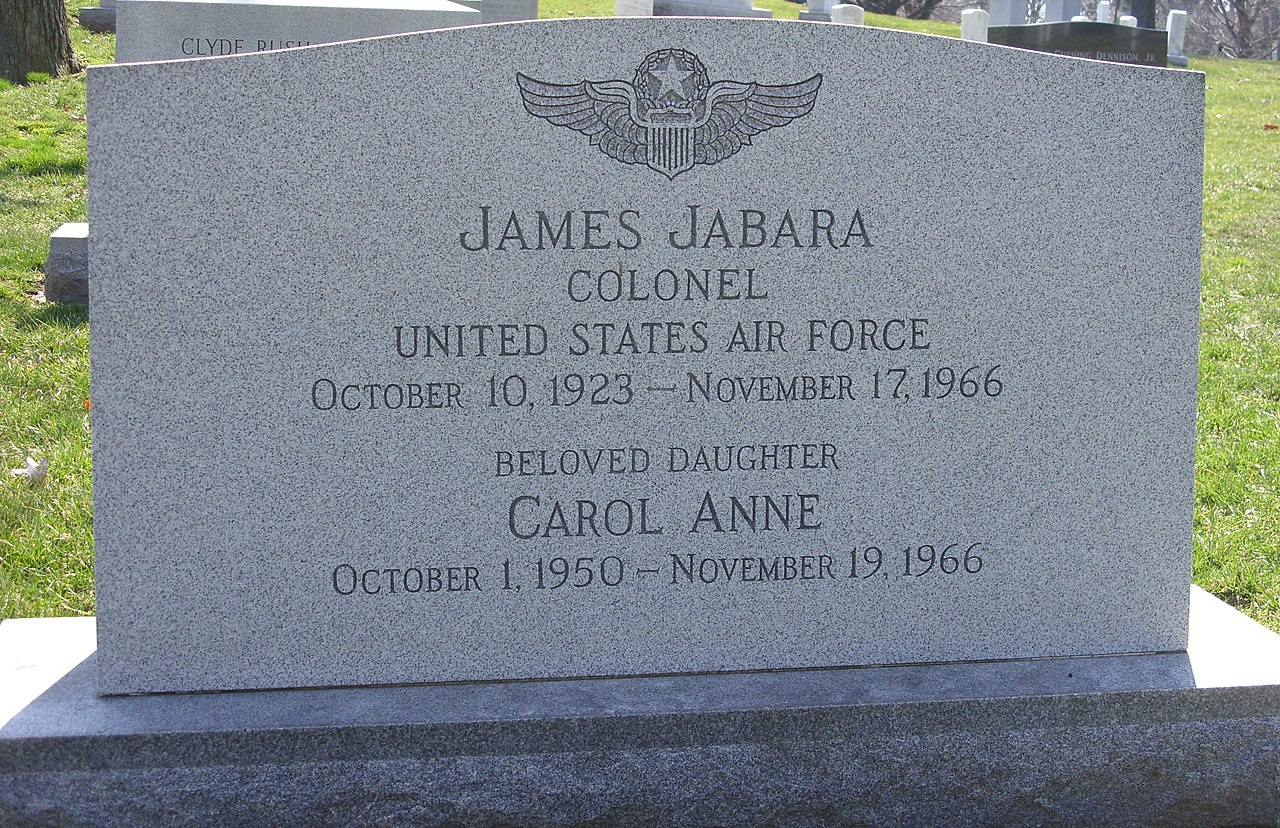
James "Jabby" Jabara (born October 10, 1923 in Muskogee, Oklahoma — died November 17, 1966) was a United States fighter pilot who gained prominence during the Korean War as the first American pilot to become an ace in jet combat. Flying the F-86 Sabre against Soviet-built MiG-15s, he was credited with a total of 15 enemy aircraft destroyed, making him a triple ace and one of the best-known U.S. jet pilots of the conflict.
Image gallery
10 Images





Overview
Jabara's career exemplifies the rapid transition from piston-engine to jet warfare after World War II. He served as a pilot in the newly established United States Air Force, trained for jet operations, and deployed to Korea where air-to-air engagements over "MiG Alley" tested new tactics and aircraft capabilities. His success in that environment made him an influential figure in early jet combat history.
Korean War service and combat record
Assigned to the 334th Fighter Interceptor Squadron, Jabara served as Executive Officer at K-14 Kimpo airbase. While stationed there he achieved the first milestone of five MiG-15 shootdowns, a distinction that established him as the first American jet ace. After a staff tour in Washington, D.C., he returned to K-14 where additional victories raised his official total by ten more MiG kills. These engagements illustrated the tactical importance of pilot training, situational awareness, and the F-86's strengths in speed and handling.
Characteristics and equipment
Jabara flew the North American F-86 Sabre, a transonic jet fighter designed for air superiority. The Sabre's radar-free design emphasized pilot skill, gunnery, and maneuvering. Combat against the MiG-15 required coordinated tactics, energy management, and teamwork within formations—areas in which Jabara and his squadron demonstrated consistent effectiveness.
Legacy and notable facts
- Nickname: "Jabby," by which he was commonly known among colleagues and the public.
- Historic distinction: recognized as the first American jet ace in the Korean War.
- Combat tally: commonly cited total of 15 MiG-15 aircraft destroyed, making him a triple ace.
- Unit and base: Executive Officer of the 334th Fighter Interceptor Squadron, operating from K-14 Kimpo during key periods of the war (Korean War).
- His record contributed to evolving U.S. jet tactics and pilot training programs in the early Cold War era (air combat).
Jabara's achievements remain a notable chapter in the history of military aviation: they mark the moment when jet-versus-jet combat entered the public eye and shaped subsequent air doctrine. For researchers and enthusiasts, his career is often studied as an example of individual skill combined with emerging jet technology.
Questions and answers
Q: Who was James "Jabby" Jabara?
A: James "Jabby" Jabara was the first American pilot to shoot down 5 Mig-15 airplanes in Korea.
Q: When and where was James Jabara born?
A: James Jabara was born on October 10, 1923 in Muskogee, Oklahoma.
Q: What was James Jabara's rank in the military?
A: The text does not mention James Jabara's rank in the military.
Q: Where was James Jabara transferred to after shooting down 5 Mig-15s in Korea?
A: James Jabara was transferred to Washington DC for duty after shooting down 5 Mig-15s in Korea.
Q: How many more Mig kills did James Jabara achieve while stationed in K-14 Kimpo, Korea?
A: While stationed in K-14 Kimpo, Korea, James Jabara was responsible for 10 more Mig kills, making him a triple ace.
Q: What was James Jabara's role in the 334th Fighter Interceptor Squadron?
A: James Jabara was the Executive Officer in the 334th Fighter Interceptor Squadron.
Q: When did James Jabara pass away?
A: James Jabara passed away on November 17, 1966.
Related articles
Author
AlegsaOnline.com James Jabara — first American jet ace and Korean War fighter pilot Leandro Alegsa
URL: https://en.alegsaonline.com/art/49230