
Jaffna — City and cultural centre of Sri Lanka's Northern Province
Jaffna is the principal city of Sri Lanka's Northern Province, noted for its Tamil heritage, historic fort and temples, cultural institutions, and post‑conflict reconstruction and education roles.
Overview
Jaffna (Tamil: யாழ்ப்பாணம், Yalpanam; Sinhala: යාපනය, Yāpanaya) is the primary urban centre and administrative capital of the Northern Province of Sri Lanka. Situated near the northern tip of the island on the Jaffna Peninsula, the city serves as a regional hub for government, education, religion and commerce. Population figures vary by source; many reports place the city's population in the tens of thousands, and some lists rank it among Sri Lanka's larger cities, including references to it as the island's 12th largest city.
Image gallery
7 Images


History
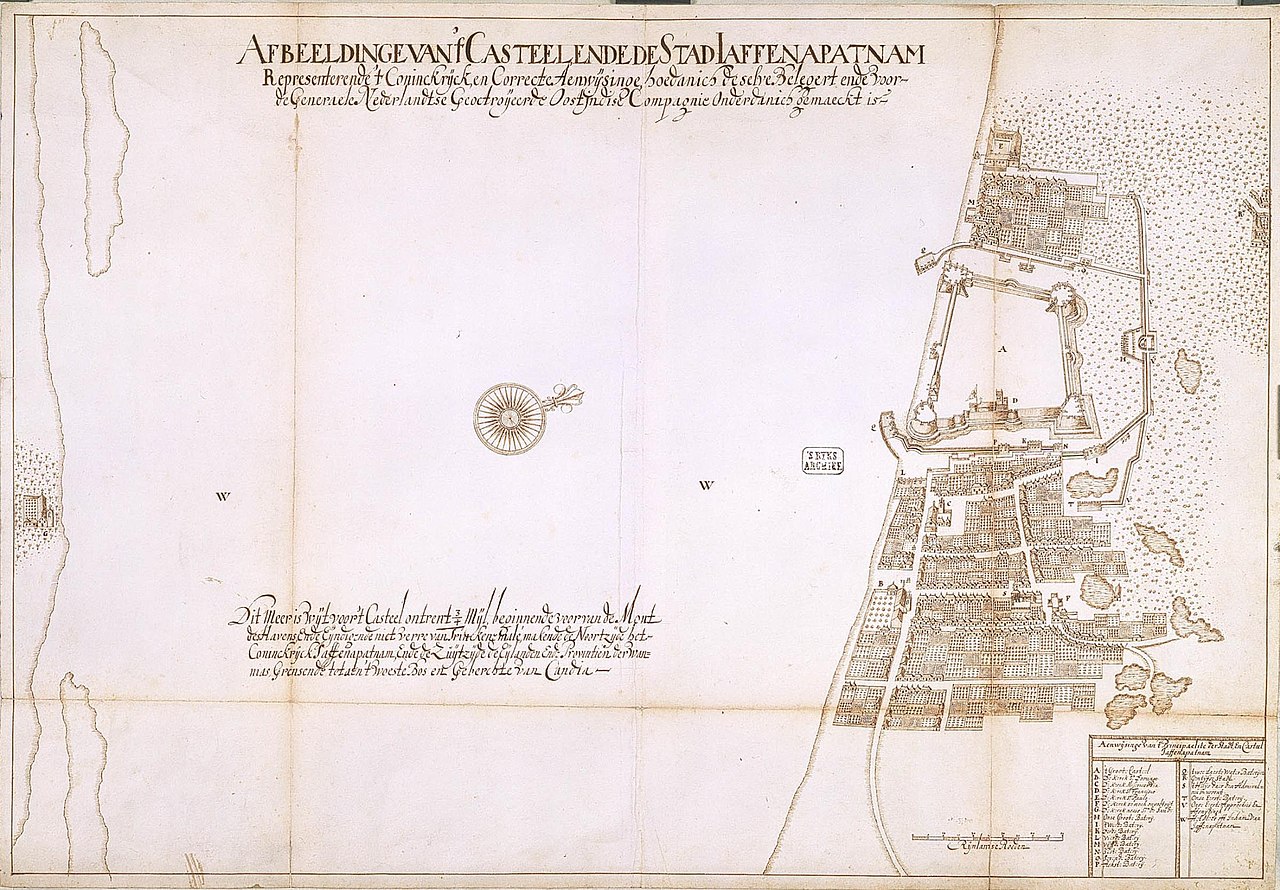
The Jaffna area has a long history as the seat of a local kingdom and as an active trading region before European arrival. Portuguese, Dutch and British colonial presences left visible marks on the town's layout and architecture—most notably in the defensive works and warehouse blocks around the harbour. In the late 20th century the city and its surroundings were affected by armed conflict that displaced many residents and damaged civic infrastructure. Since large‑scale hostilities have ended, Jaffna has been the focus of reconstruction, the return of displaced people and gradual restoration of services.
Landmarks and cultural life
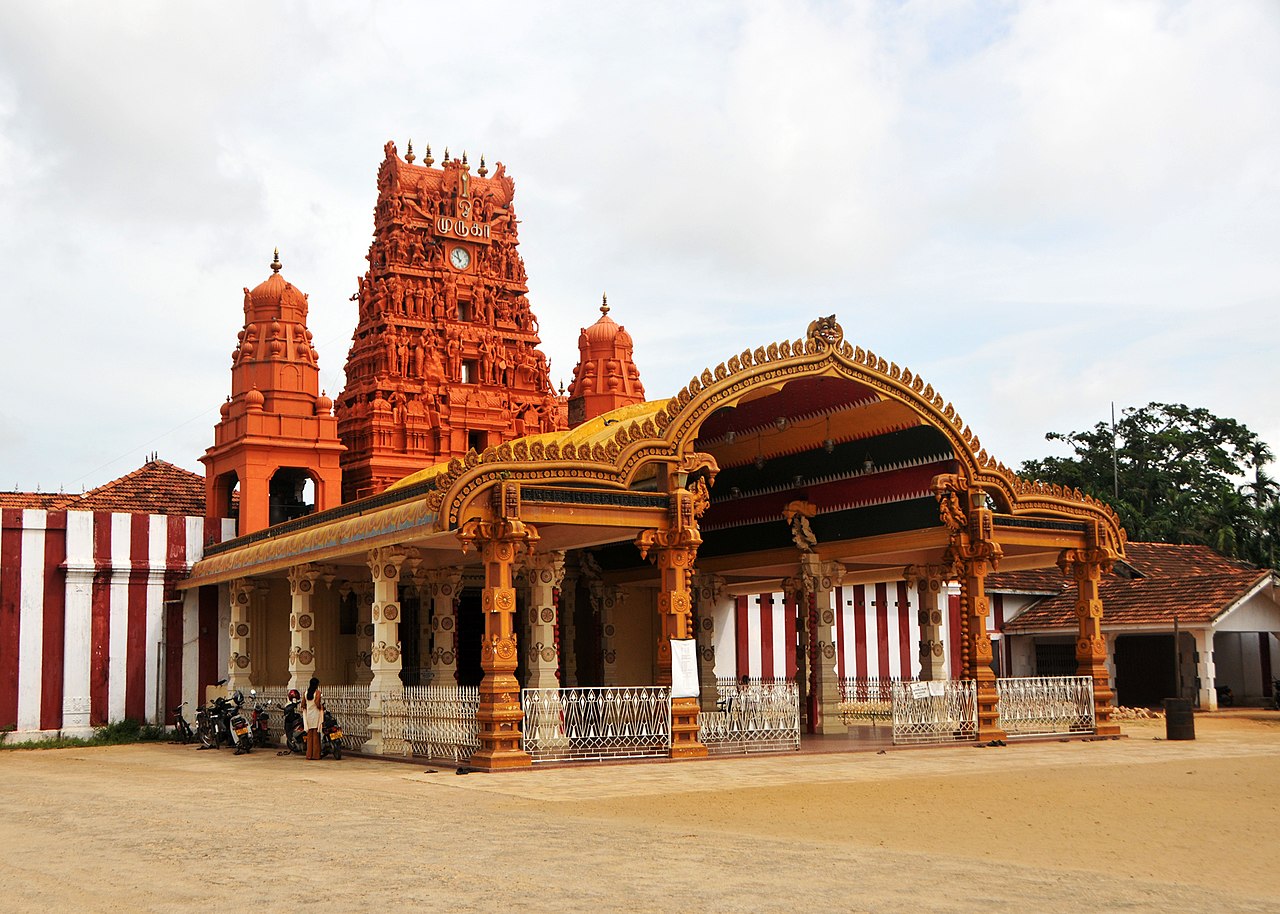
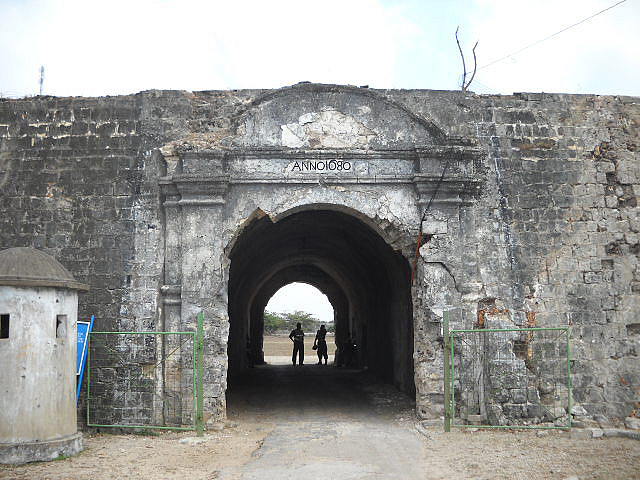
Prominent landmarks include the coastal Jaffna Fort, which preserves layers of European construction, and the Nallur Kandaswamy Temple, an important Hindu shrine known for its annual festival that draws large crowds. The Jaffna Public Library is a notable cultural institution with a history of loss and rebuilding and remains a symbol of the city's literary and scholarly traditions. Temple rituals, processions and local festivals keep classical and devotional forms alive and contribute to a distinctive public life.
Demographics, language and religion
The city is a centre of Tamil language and culture in Sri Lanka. The majority of residents are Sri Lankan Tamils, and Hinduism is widely practised; there are also Christian and Muslim communities, as well as smaller numbers of other groups. Jaffna has long been associated with strong traditions of Tamil scholarship, publishing and education.
Education and institutions
Jaffna hosts key educational institutions, including campuses that provide higher education and professional training to the region. Schools, cultural organizations and research activities help sustain a literate public culture and attract students from across the peninsula and beyond.
Economy and transport
The local economy combines fishing, small‑scale agriculture (including cultivation of palmyra palms and vegetables), retail trade, public services and remittances from a sizable diaspora. Transport links have improved in recent years: main roads connect the peninsula with other parts of the island, rail services have been restored on core routes, and the airport serves civilian flights, all of which have supported renewed commerce and tourism.
Present challenges and recovery
Despite visible progress in reconstruction and investment, Jaffna faces ongoing challenges in housing, employment, land administration and community reconciliation. Local and national authorities, universities and civil society groups continue to work on recovery projects, heritage conservation and economic development that aim to strengthen living standards while preserving cultural identity.
Further information
- Visitors and researchers often begin with the fort, main temples and public library when exploring Jaffna's history and culture.
- The city is noted for its distinct cuisine, traditional arts and close links with Tamil language publishing.
- For official and practical information see regional and municipal resources such as official regional pages, and consult travel or academic summaries for up‑to‑date details.
Authoritative sources, government publications and university research provide the most reliable statistics and recent developments for those seeking deeper information about Jaffna's institutions, demographics and recovery efforts.
Questions and answers
Q: What is Jaffna?
A: Jaffna is the capital city of the Northern Province of Sri Lanka.
Q: What is the population of Jaffna?
A: The population of Jaffna is 88,138.
Q: Where does Jaffna rank in terms of size among Sri Lanka's cities?
A: Jaffna is Sri Lanka's 12th largest city.
Q: What are the biggest attractions in Jaffna?
A: The Jaffna Fort and the Nallur Kandasamy temple are the biggest attractions in Jaffna.
Q: Who was the person responsible for uniting the Sinhala and Tamil people?
A: The statue made out of gold in Jaffna was created in honor of the person who united the Sinhala and Tamil people.
Q: What is the Tamil name for Jaffna?
A: The Tamil name for Jaffna is Yalpanam.
Q: What is the Sinhala name for Jaffna?
A: The Sinhala name for Jaffna is Yāpanaya.
Related articles
Author
AlegsaOnline.com Jaffna — City and cultural centre of Sri Lanka's Northern Province Leandro Alegsa
URL: https://en.alegsaonline.com/art/49079
Sources
- world-gazetteer.com : "Sri Lanka: largest cities and towns and statistics of their population"