
Jack Layton: Canadian politician and NDP leader (1950–2011)
Overview of Jack Layton: municipal roots, leadership of the New Democratic Party (2003–2011), parliamentary breakthroughs, personal background, illness, and lasting influence on Canadian politics.
John Gilbert “Jack” Layton (July 18, 1950 – August 22, 2011) was a Canadian politician, community organizer and public intellectual who served as leader of the New Democratic Party (NDP) from 2003 until his death in 2011 and as Leader of the Official Opposition in 2011. He represented Toronto—Danforth in the House of Commons from 2004 to 2011 and earlier built a national reputation through municipal politics in Toronto. For biographical overviews and primary sources see biographical resources.
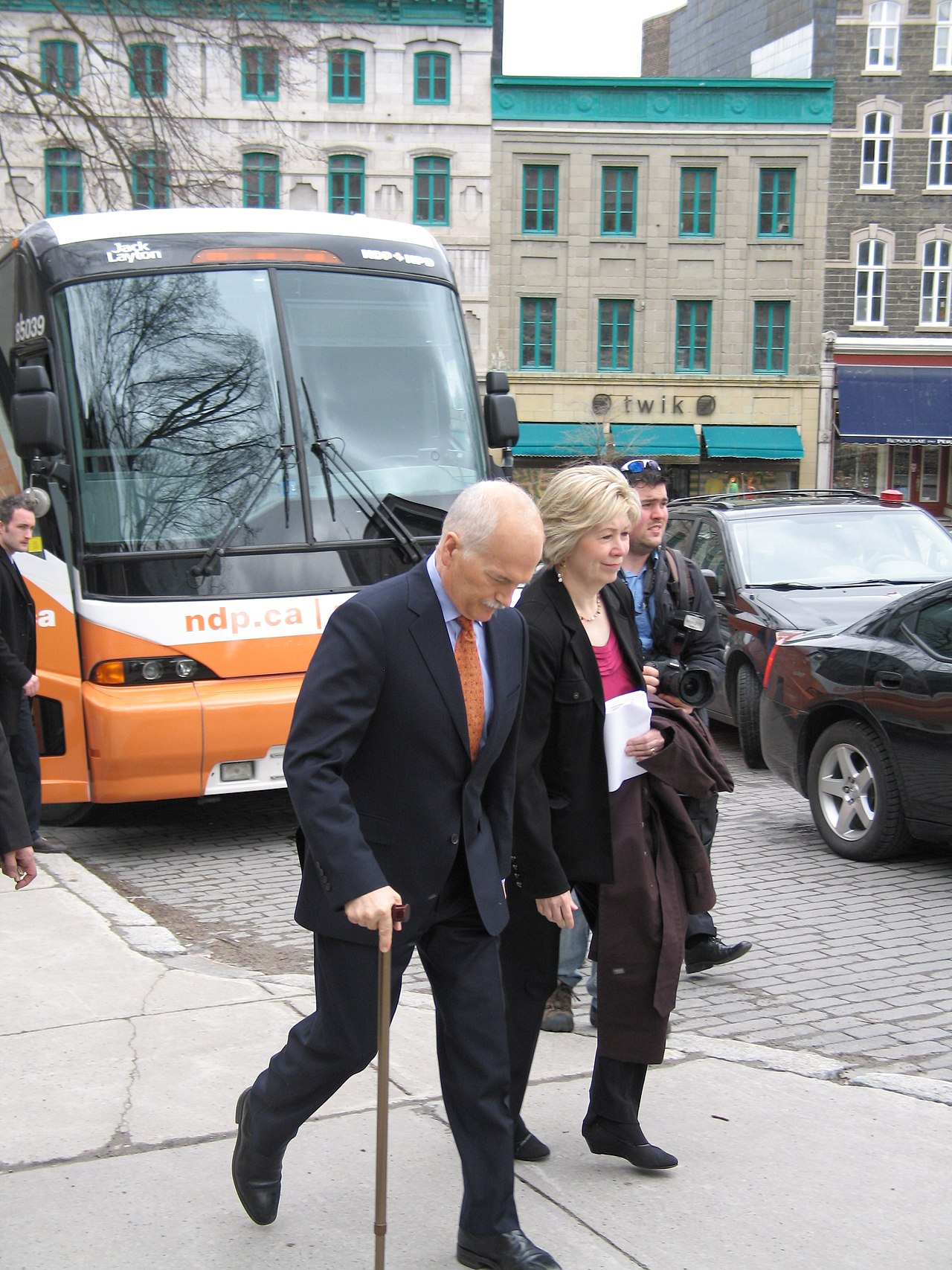
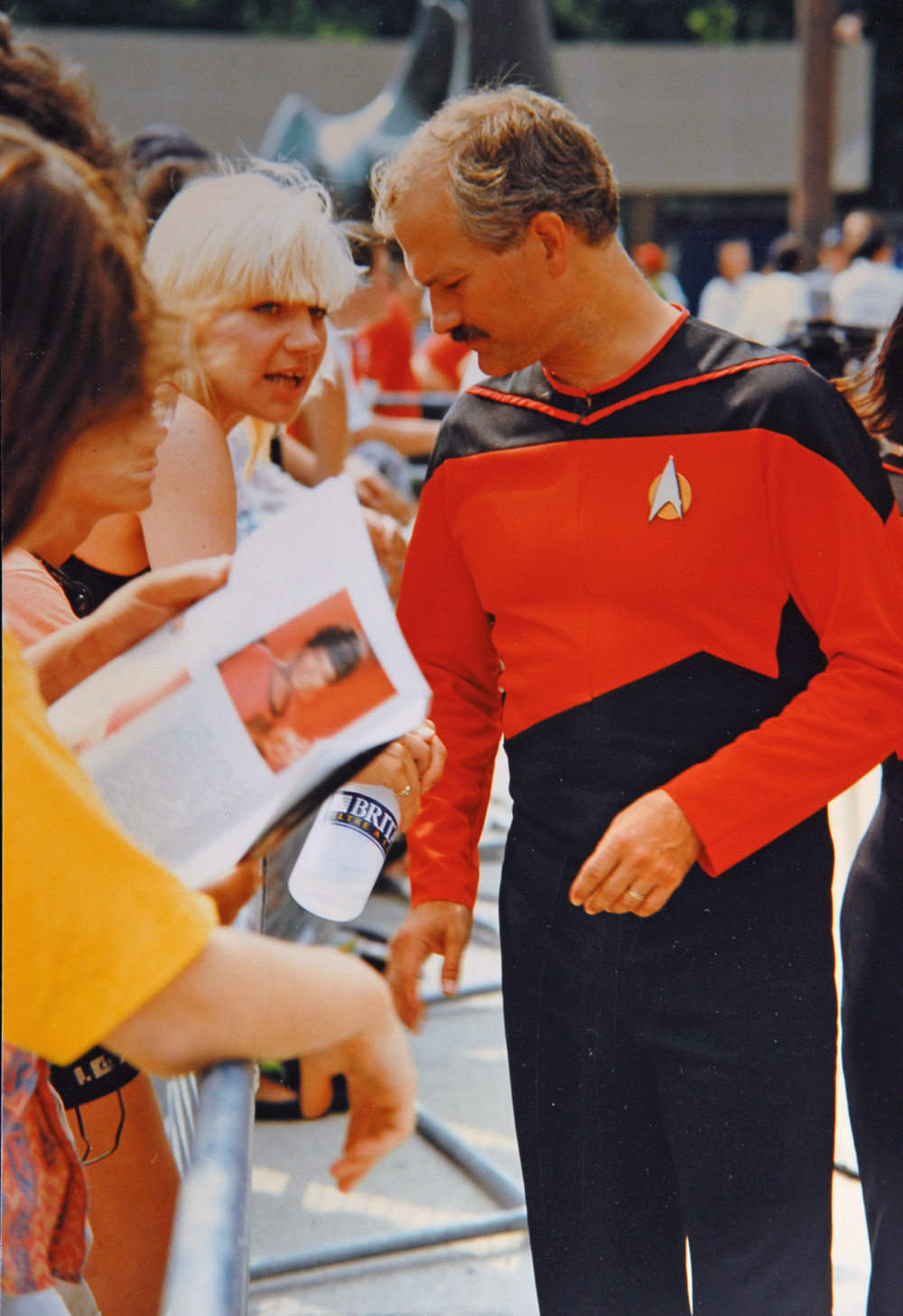
Image gallery
10 Images




Early life and education
Layton was born in Montreal and raised in Hudson, Quebec, into a family active in public life; his father, Robert Layton, later served as a federal cabinet minister. He trained academically in political science and worked as a professor, writer and community organizer before entering elected office. His formative experiences in Quebec and his academic background informed a pragmatic approach to policy and an emphasis on participatory civic engagement; further background on his origins is available at place of birth and upbringing.
Municipal career and environmental advocacy
Layton rose to prominence on Toronto City Council where he was known for championing neighbourhood issues, transit, affordable housing and environmental initiatives. He also served in leadership roles in national municipal associations, including as head of the Federation of Canadian Municipalities, where he promoted cooperation between cities and senior levels of government. His municipal record and coalition-building are documented in municipal archives and profiles at Toronto City Council archives and in policy summaries at environmental records.
Leadership of the New Democratic Party
In 2003 Layton was elected leader of the federal NDP on the first ballot. He sought to broaden the party’s appeal beyond its traditional bases by emphasizing issues such as health care, housing, transit, and sustainable urban development while retaining core social-democratic commitments. Under his leadership the NDP improved its national standing in several federal elections, rebuilding organization and visibility in many regions; party context can be found at New Democratic Party information.
Electoral progress and the 2011 breakthrough
The NDP steadily gained seats during Layton’s tenure, with notable results in 2004 and further gains into the late 2000s. In 2008 the party won 37 seats. In the 2011 federal election the NDP achieved a historic surge, winning 103 seats and becoming the Official Opposition. A defining feature of that campaign was the remarkable growth of NDP representation in Quebec, where many new members were elected, altering the federal landscape.
Parliamentary work and constituency service
Throughout his time as MP for Toronto—Danforth, Layton maintained a strong constituency presence and combined national leadership with attention to local issues such as transit, community services and small business concerns. His public persona — accessible, optimistic and media-savvy — helped mobilize volunteers and broaden engagement, particularly among urban voters.
Illness, death and public response
Late in life Layton faced serious health challenges and announced a leave from some parliamentary duties to undergo treatment. He died at his home in Toronto on August 22, 2011, at age 61, after complications related to cancer of unknown primary origin. His passing prompted national expressions of grief, a lying-in-state and a state funeral in Toronto, and is covered in contemporary reports and medical notices at health reports.
Legacy and reception
Layton is widely remembered for reshaping the NDP’s national profile, bringing an urban, pragmatic tone to its politics and connecting with diverse communities through grassroots campaigning. His emphasis on environmental policy, municipal concerns and social justice influenced debates in the years after his death. Tributes, honours and institutional records reflect his impact on Canadian civic life; further information is available via party and archival links such as Toronto—Danforth profile and biographical resources.
Key facts
- Full name: John Gilbert "Jack" Layton (1950–2011).
- Leader of the New Democratic Party: 2003–2011; Leader of the Official Opposition in 2011.
- Member of Parliament for Toronto—Danforth: 2004–2011.
- Previously served on Toronto City Council and in national municipal leadership roles.
- Known for environmental advocacy, urban policy focus and coalition-building across communities.
- Married to Olivia Chow; son of federal politician Robert Layton.
For additional authoritative sources and archival material consult the linked resources: comprehensive biography, party profile, municipal record, constituency information, early life, policy and environment and medical and death notices.
Questions and answers
Q: What was Jack Layton's profession?
A: Jack Layton was a Canadian politician and the Leader of the Official Opposition.
Q: When was he born?
A: He was born on July 18, 1950.
Q: Where did he grow up?
A: He grew up in Hudson, Quebec.
Q: What type of campaigns did he focus on during his time in Toronto municipal politics?
A: During his time in Toronto municipal politics, he campaigned tirelessly for the needs of ordinary citizens and for environmental issues.
Q: How many NDP MPs were elected under Layton in the 2008 election?
A: Thirty seven NDP MPs were elected under Layton in the 2008 election.
Q: In which year did he become leader of the NDP?
A: He became leader of the NDP in 2003.
Q: Who was Jack Layton married to?
A: He was married to fellow MP Olivia Chow.
Related articles
Author
AlegsaOnline.com Jack Layton: Canadian politician and NDP leader (1950–2011) Leandro Alegsa
URL: https://en.alegsaonline.com/art/48897
Sources
- toronto.ca : "Former City Councillor Jack Layton"
- cbc.ca : "NDP's Layton becomes Official Opposition leader"
- news.nationalpost.com : "Jack Layton dies of cancer"
- cbc.ca : "Layton to lie in state in Ottawa, Toronto"