
Izumo no Okuni — founder of kabuki theatre
Izumo no Okuni (c.1572–?) was a Japanese performer traditionally credited with creating kabuki, a bold, popular dance-drama that transformed theatrical entertainment in early modern Japan.
Overview
Izumo no Okuni is traditionally regarded as the originator of kabuki, a distinctive form of Japanese theatre that blends stylized dance, music and acting. Born around 1572 and named for the Izumo region, she emerged during the late Sengoku and early Edo eras as a pioneering public entertainer whose work drew broad audiences from different social classes.
Image gallery
4 Images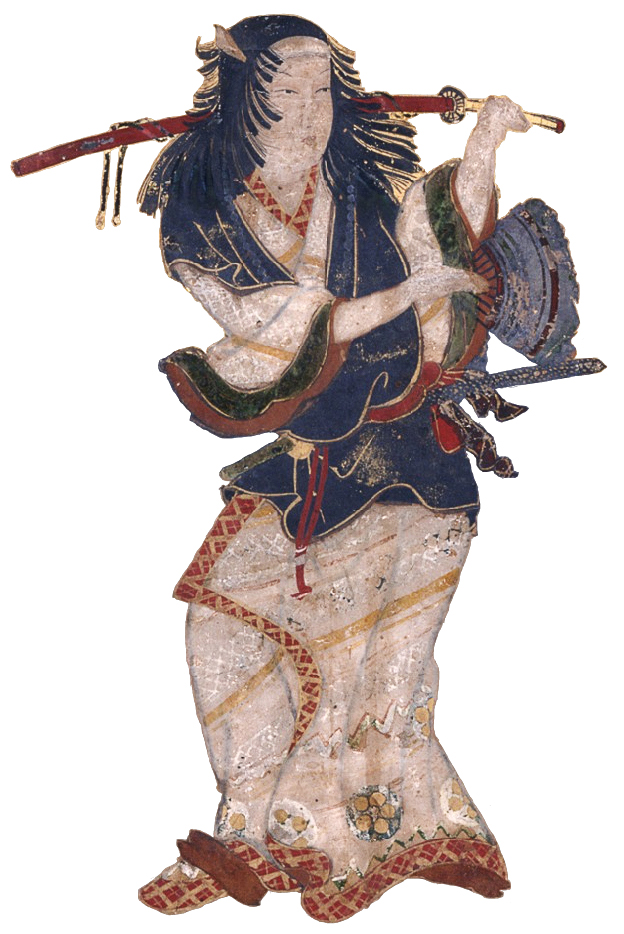


Origins and early life
Accounts vary, but Okuni is often described as coming from Izumo and in some stories as having performed ritual dances associated with shrine life before taking her art to urban centers. She moved to Kyoto and staged lively performances in informal venues such as riverbanks and shrine precincts, where her energetic, contemporary style contrasted with older court and religious forms.
Artistic innovations
Okuni combined elegant dances, comic sketches and topical parody to create a new kind of stage entertainment. Her troupe, initially composed of women, presented scenes that mixed dramatic staging with popular song and dance. This blend of spectacle and theatrical storytelling evolved into what became known as kabuki—a word connected both to performance (singing and dancing) and to a spirit of boldness. Her approach refreshed traditional performing arts by using everyday subjects, exaggerated gestures and expressive costuming.
Social context and later development
Okuni’s shows appealed to a wide urban public, from merchants to samurai, and helped turn theatre into mass entertainment. The popularity and sometimes provocative nature of all-female troupes led authorities in the early 17th century to restrict women’s stage participation; over time young male actors and then adult men playing female roles became the dominant performers. These changes were part of kabuki’s gradual institutionalization into a codified theatrical tradition.
Legacy and significance
Although many details of her biography are uncertain, Okuni’s name remains central in histories of Japanese theatre. She is remembered as an originator who opened performance to new subject matter and audiences, and whose innovations helped kabuki develop into a highly stylized classical form. Scholars and theatre practitioners continue to study her reputed methods and the social conditions that enabled kabuki’s emergence.
Key facts
- Name meaning: "Okuni from Izumo."
- Active: late 16th to early 17th century; exact dates are uncertain.
- Contributions: founded an all-female troupe, fused dance and drama, popularized new stage conventions.
- Aftermath: changing social policies led to male-dominated kabuki and the later development of onnagata (male actors of female roles).
Questions and answers
Q: Who is Izumo no Okuni?
A: Izumo no Okuni was a Japanese woman who lived during the warring states period and is famous for beginning the Kabuki entertainment style.
Q: What does her name mean?
A: Her name means "Okuni from Izumo".
Q: What is Kabuki?
A: Kabuki is a type of traditional Japanese theatre that incorporates singing, dancing, and acting.
Q: How did Okuni develop Kabuki?
A: Okuni developed Kabuki by evolving traditional Japanese dancing into a unique style of entertainment.
Q: When did Okuni live?
A: Okuni lived during the warring states period in the 15th to 16th centuries.
Q: Is Kabuki still popular in Japan today?
A: Yes, Kabuki remains a popular form of entertainment in Japan today.
Q: What is the significance of Izumo in Okuni's name?
A: Izumo is the region where Okuni was originally from, so her name serves to identify where she comes from.
Related articles
Author
AlegsaOnline.com Izumo no Okuni — founder of kabuki theatre Leandro Alegsa
URL: https://en.alegsaonline.com/art/48772
Sources
- commons.wikimedia.org : Izumo no Okuni
- dandan.gr.jp : "出雲の阿国歌舞伎の始祖 "
- wikidata.org : wikidata.org/wiki/Q1334304
- d-nb.info : 119219336
- id.loc.gov : n85011522
- viaf.org : 253577714
- worldcat.org : lccn-n85011522