
Soča (Isonzo): Alpine river of Slovenia and northeastern Italy
The Soča (Isonzo) is an Alpine river rising in the Julian Alps, noted for its emerald waters, biodiversity, WWI history, recreation and parts protected within Triglav National Park.
Overview — The Soča (Slovene name: Soča; Italian: Isonzo; Friulian: Lusinç) is a mountain river that rises in the Julian Alps and flows through western Slovenia into northeastern Italy. An Alpine river in character, its source lies high among glacial cirques and karst springs and it empties into the Adriatic Sea near Monfalcone.
Image gallery
9 Images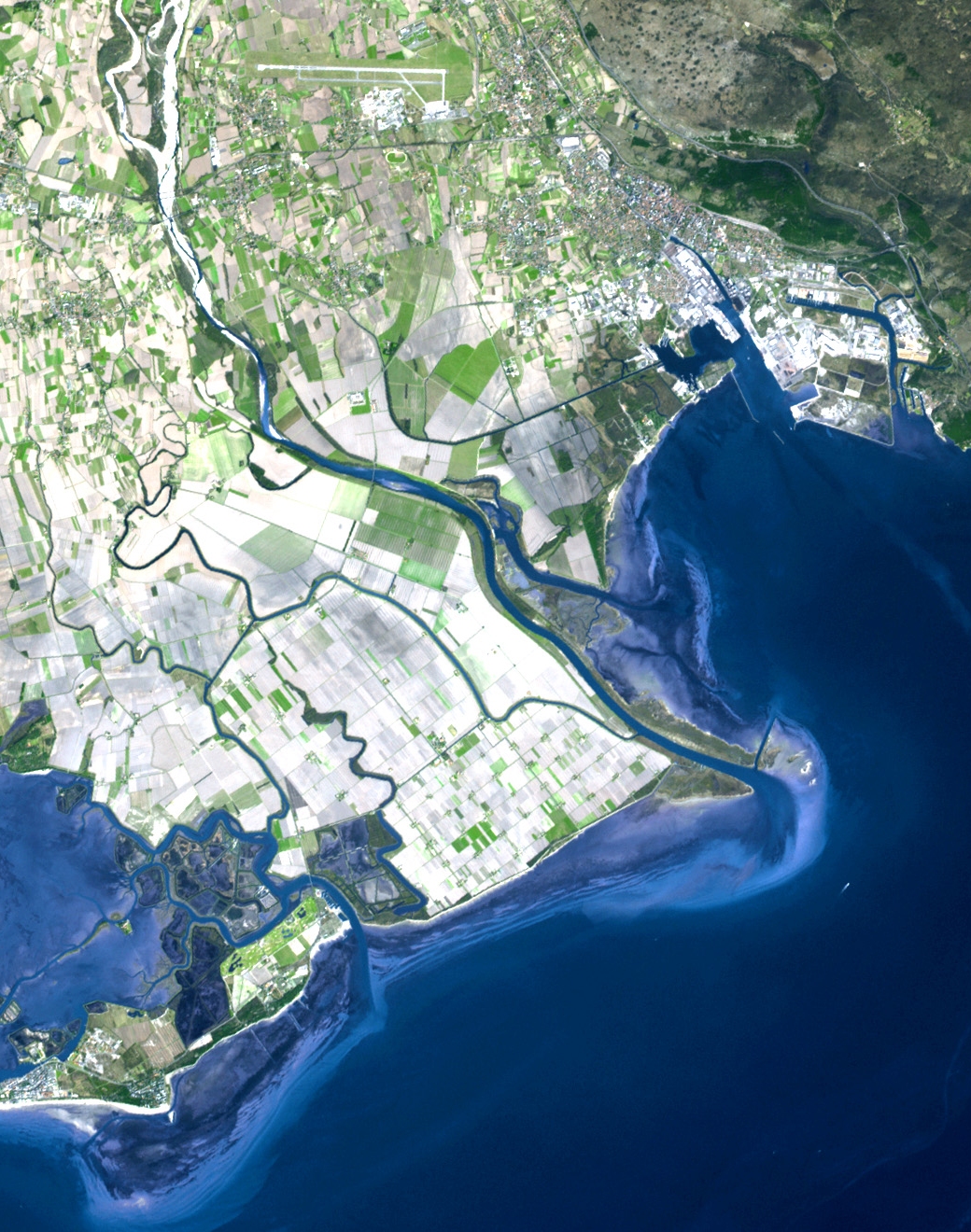


Course and physical characteristics
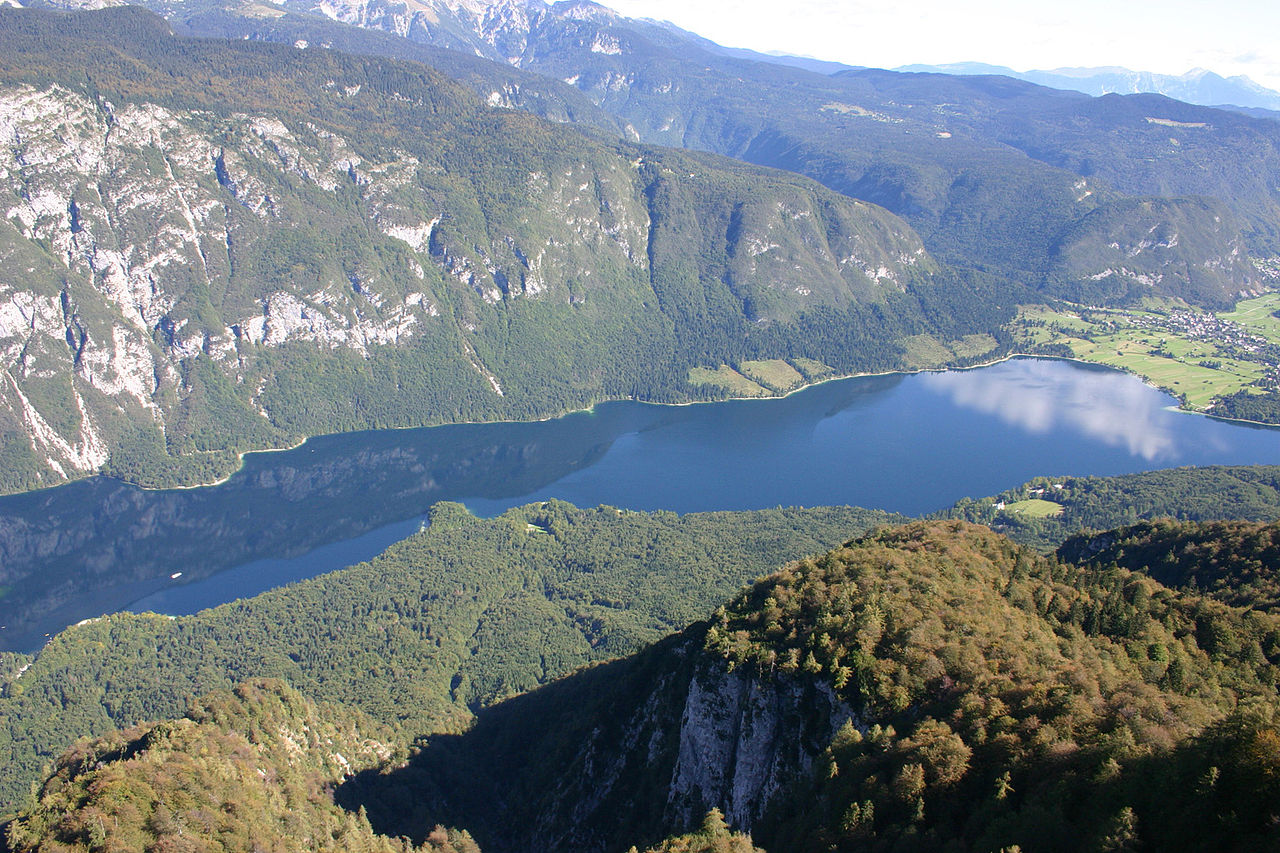
The Soča traverses steep valleys, narrow gorges and wider alluvial plains. It cuts through limestone and other bedrock, with channels that form rapids, pools and braided gravel bars. Fine suspended glacial and mineral sediments together with the river's clarity and depth give it the distinctive emerald to turquoise hues admired by visitors. Flow and temperature show marked seasonal variation with snowmelt and rainfall, so conditions change markedly between high and low water seasons.
Ecology
The river supports a range of cold-water fish, including trout and other species characteristic of mountain streams, and its floodplain and riparian corridors host mixed forests, alpine meadows and gravel habitats important for birds and invertebrates. Upper sections of the basin fall within protected landscapes such as Triglav National Park and are subject to conservation measures and European ecological frameworks intended to balance biodiversity protection with public access.
History and cultural importance
The Soča valley has long been an important corridor between the Alpine interior and the Adriatic. In the early twentieth century the area was the scene of prolonged warfare during World War I, known in Italian accounts as the Battles of the Isonzo, leaving memorials, cemeteries and museums along the river. Towns in the valley retain cultural traditions tied to both Slovenian and Italian historical influences and attract visitors interested in both nature and history.
Human use and recreation
- Outdoor recreation: clear stretches and rapids make the river popular for kayaking, rafting, canyoning, swimming in summer pools, hiking and fly-fishing.
- Local economy: tourism, water supply for communities and some small-scale hydropower and irrigation uses exist in parts of the basin; management aims to minimise impacts on habitats and water quality.
- Scenic and heritage sites: notable attractions include canyons, waterfalls and viewpoints near towns such as Bovec and Kobarid, where visitors can combine natural scenery with historical sites.
Conservation and visiting
Conservation efforts by parks, regional authorities and local organisations focus on protecting the Soča’s water quality, characteristic species and landscape values, while supporting sustainable tourism and recreation. Visitors are encouraged to follow local guidance to reduce disturbance to habitats. For maps, local guides and more information consult resources under the names Soča and Isonzo, and official park or regional pages for practical visiting advice.
Questions and answers
Q: Where does the Isonzo/Soča river flow?
A: The Isonzo/Soča river flows through western Slovenia and northeastern Italy.
Q: What are the three different names of the Isonzo/Soča river?
A: The three different names of the Isonzo/Soča river are Soča (Slovene), Isonzo (Italian), and Lusinç (Friulian).
Q: What kind of river is the Isonzo/Soča?
A: The Isonzo/Soča is an Alpine river in character.
Q: Where does the Isonzo/Soča river originate from?
A: The Isonzo/Soča river originates from the Julian Alps in Slovenia.
Q: Where does the Isonzo/Soča river end?
A: The Isonzo/Soča river enters the Adriatic Sea close to the Italian town of Monfalcone.
Q: In which country does the Isonzo/Soča river have its source?
A: The Isonzo/Soča river has its source in Slovenia.
Q: What body of water is close to the Italian town of Monfalcone?
A: The Adriatic Sea is close to the Italian town of Monfalcone, where the Isonzo/Soča river enters.
Related articles
Author
AlegsaOnline.com Soča (Isonzo): Alpine river of Slovenia and northeastern Italy Leandro Alegsa
URL: https://en.alegsaonline.com/art/48487
Sources
- arlef.it : "Denominazioni toponimiche ufficiali in lingua friulana"
- stat.si : "Reke, dolge nad 25 km, in njihova padavinska obmocja"
- unece.org : Second Assessment of Transboundary Rivers, Lakes and Groundwaters
- balkan-trout.com : "Marble trout (Salmo armoratus)"
- fiumi.com : "Torrente Torre"
- firstworldwar.com : "The Battles of the Isonzo, 1915-17"