
Islamic Azad University
Large private university system founded in Iran in 1982. Multi-campus network offering undergraduate to postgraduate programs, notable for rapid expansion, extensive branch network, and significant economic footprint.
Islamic Azad University is a multi-campus, non-governmental higher education system founded in Iran in 1982. It grew rapidly during the 1980s and 1990s to become one of the largest university networks in the world. The system combines teaching, research and applied programs across a broad range of disciplines and serves a large and diverse student population.
Image gallery
8 Images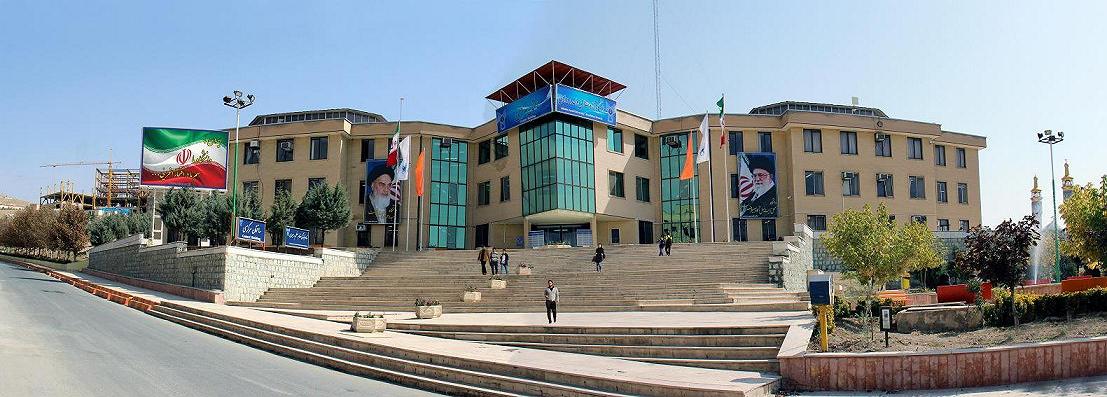



Structure and scope
The university is organized as a network of independently administered branches and central offices. It includes more than one hundred branches across Iran and has established campuses outside Iran. Its activities encompass undergraduate and graduate instruction, vocational and professional training, and research institutes. Features often noted include:
- Wide geographic coverage with urban and regional campuses.
- A mix of academic fields: engineering, humanities, medical-related programs, arts and sciences.
- Multiple degree levels from associate to doctoral programs.
- Considerable enrollment capacity, with historical figures often cited in the range of about 1.5 million students (enrollment report).
History and development
The institution was established shortly after the 1979 revolution as part of a broader expansion of access to higher education. Its founders aimed to supplement state universities and to accommodate demand from students who could not obtain places in public institutions. Over several decades the system expanded through new branches and programs, and it developed administrative and financial structures intended to make it largely self-supporting.
Academic role and activities
Islamic Azad University offers programs across many disciplines and operates research centers, continuing education, and professional training. It has been important in increasing tertiary-education participation in Iran and providing options for non-traditional students. Some branches collaborate with international partners and run programs tailored for local industry and workforce needs. Examples of international presence include campuses or offices established in locations such as the United Arab Emirates and the United Kingdom (international branches).
Finances, governance and public perception
The university is financed primarily through tuition, fees and its own commercial activities. Over time it accumulated substantial physical and financial assets; various analyses and reports have produced differing estimates of its total worth. Its governance combines a central authority with branch-level management, and it is legally distinct from state-run universities, often described as a private or non-governmental system (status). Public discussion around the university includes praise for increased access to education as well as critique concerning quality control, standardization, and the challenges of managing a very large system.
Notable facts and distinctions
- The Persian name and original reference are often used in Iranian sources: دانشگاه آزاد اسلامی.
- It has one of the largest enrollments of any single university system worldwide and a broad footprint across its home country (Iran).
- The system's size and resources have made it an influential actor in national higher education and in some sectors of the economy.
While exact figures and rankings can change over time, the Islamic Azad University remains a major example of large-scale, non-state higher education designed to broaden access and to provide diverse academic and professional programs.
Questions and answers
Q: What is Islamic Azad University?
A: Islamic Azad University is a private university system based in Iran.
Q: When was Islamic Azad University founded?
A: Islamic Azad University was founded in 1982.
Q: How many students study at Islamic Azad University?
A: 1.5 million students study at Islamic Azad University.
Q: How many branches does Islamic Azad University have?
A: Islamic Azad University has over 100 branches across Iran and also in other countries such as the emirate of Dubai and the United Kingdom.
Q: How wealthy is Islamic Azad University estimated to be?
A: Islamic Azad University is estimated to be worth between $20 and $25 billion.
Q: What is the size of Islamic Azad University compared to other universities?
A: Islamic Azad University is the world's third largest university.
Q: Is Islamic Azad University a public or private university?
A: Islamic Azad University is a private university system.
Related articles
Author
AlegsaOnline.com Islamic Azad University Leandro Alegsa
URL: https://en.alegsaonline.com/art/48397