
Ishikawa Prefecture
Prefecture on Honshū's Sea of Japan coast centered on Kanazawa. Renowned for Kenroku-en garden, traditional crafts (gold leaf, Kutani, Wajima lacquer), the Noto Peninsula, samurai districts and seafood.
Overview
Ishikawa Prefecture lies on the Sea of Japan coast of Honshū and is part of the Chūbu region of Japan. Its political and cultural center is the city of Kanazawa, which serves as the prefectural capital and a hub for regional administration, arts and tourism. The prefecture combines coastal plains, the distinctive Noto Peninsula and low mountain ranges.

Image gallery
10 Images



Geography and environment
Ishikawa features a long coastline with fishing ports, scenic peninsulas and an inland plain that supports agriculture and towns. Weather varies from snowy winters along the coast to temperate summers; maritime influences moderate temperatures but bring powerful winter storms and heavy snowfall in places.
History and cultural heritage
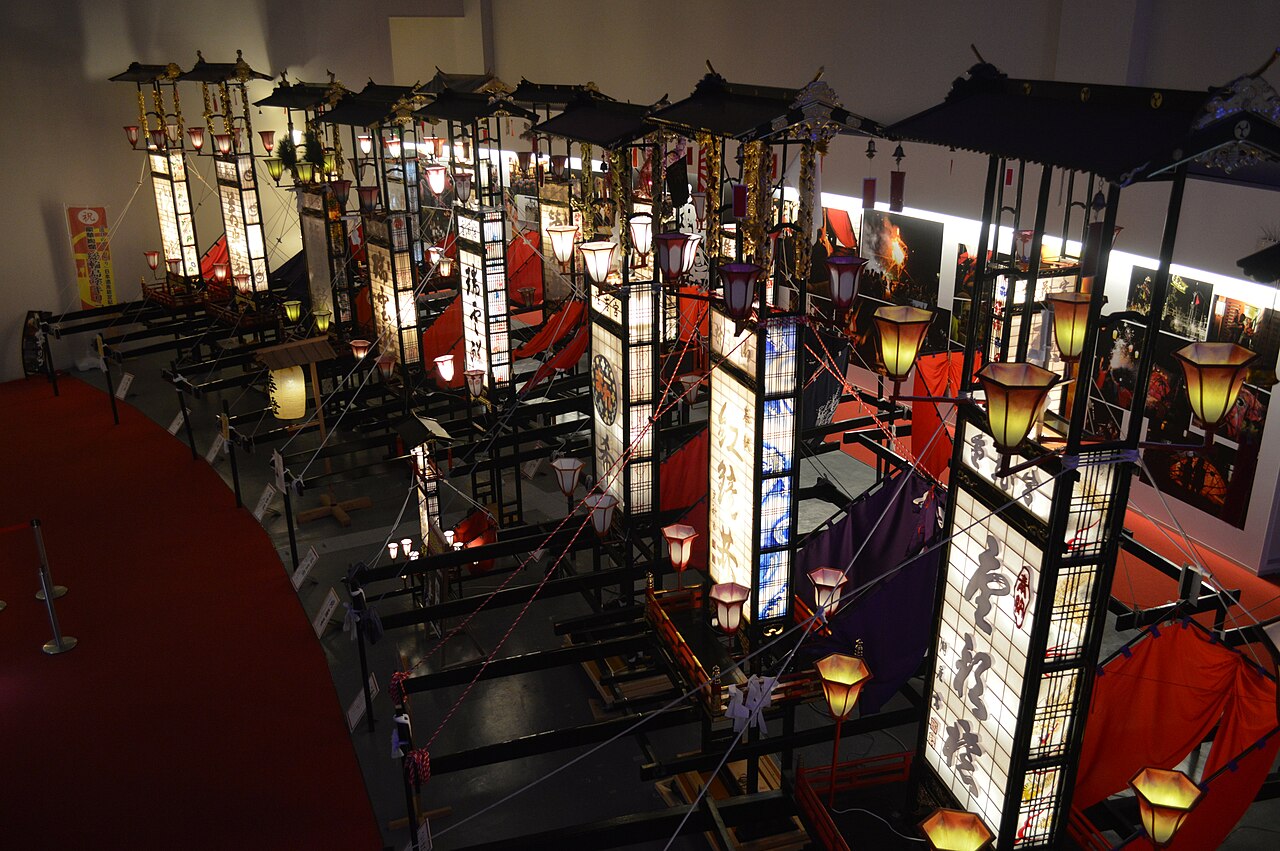
Historically the area was organized around powerful regional domains in the Edo period; Kanazawa grew as a political and cultural center. Many preserved historic districts, such as former samurai quarters and tea-house neighborhoods, reflect this legacy. Traditional festivals, crafts and culinary traditions remain important to local identity.
Arts, crafts and economy
Ishikawa is widely known for traditional handicrafts: Kutani ceramics, Wajima lacquerware and gold leaf applied to objects and interiors. These crafts coexist with modern manufacturing and services. Fisheries, agriculture and tourism are significant economic pillars, with seafood from the Sea of Japan prized in regional cuisine.
Tourism and transport
Visitors come for Kenroku-en, one of Japan's most celebrated gardens, historic neighborhoods in Kanazawa, contemporary museums and the rural scenery of the Noto Peninsula. The prefecture is served by high-speed rail links to larger cities, regional airports and coastal roads that support both commuting and tourism.
Notable distinctions
Ishikawa combines well-preserved historical sites with living craft traditions, making it a focal point for those interested in Japan's cultural continuity. Its mixture of coastal landscapes, traditional arts and urban cultural institutions gives the prefecture a distinctive role within the Chūbu region.
Questions and answers
Q: What is Ishikawa Prefecture?
A: Ishikawa Prefecture is a region in the Chūbu region of Japan located on the island of Honshū.
Q: What is the capital city of Ishikawa Prefecture?
A: The capital city of Ishikawa Prefecture is Kanazawa.
Q: What region of Japan is Ishikawa Prefecture located in?
A: Ishikawa Prefecture is located in the Chūbu region of Japan.
Q: On which island of Japan can Ishikawa Prefecture be found?
A: Ishikawa Prefecture can be found on the island of Honshū.
Q: What is the meaning of "ken" in Ishikawa-ken?
A: "Ken" is the Japanese word for "prefecture".
Q: What is the Japanese name for Ishikawa Prefecture?
A: The Japanese name for Ishikawa Prefecture is "Ishikawa-ken".
Q: What is the significance of Kanazawa in Ishikawa Prefecture?
A: Kanazawa is the capital city of Ishikawa Prefecture. It is also a hub for tourism, culture, and industry in the region.
Related articles
Author
AlegsaOnline.com Ishikawa Prefecture Leandro Alegsa
URL: https://en.alegsaonline.com/art/48364
Sources
- books.google.com : "Chūbu"
- books.google.com : "Kanazawa"
- books.google.com : "Provinces and prefectures"
- env.go.jp : "General overview of area figures for Natural Parks by prefecture"
- eos.kokugakuin.ac.jp : "Nationwide List of Ichinomiya," p. 3