
Aokigahara — the Sea of Trees at Mount Fuji
Aokigahara, the 'Sea of Trees' at Mount Fuji's northwest base, is a dense volcanic forest in Japan noted for its silence, lava caves, folklore, tourism, and a sensitive association with suicides and public safety efforts.
Overview
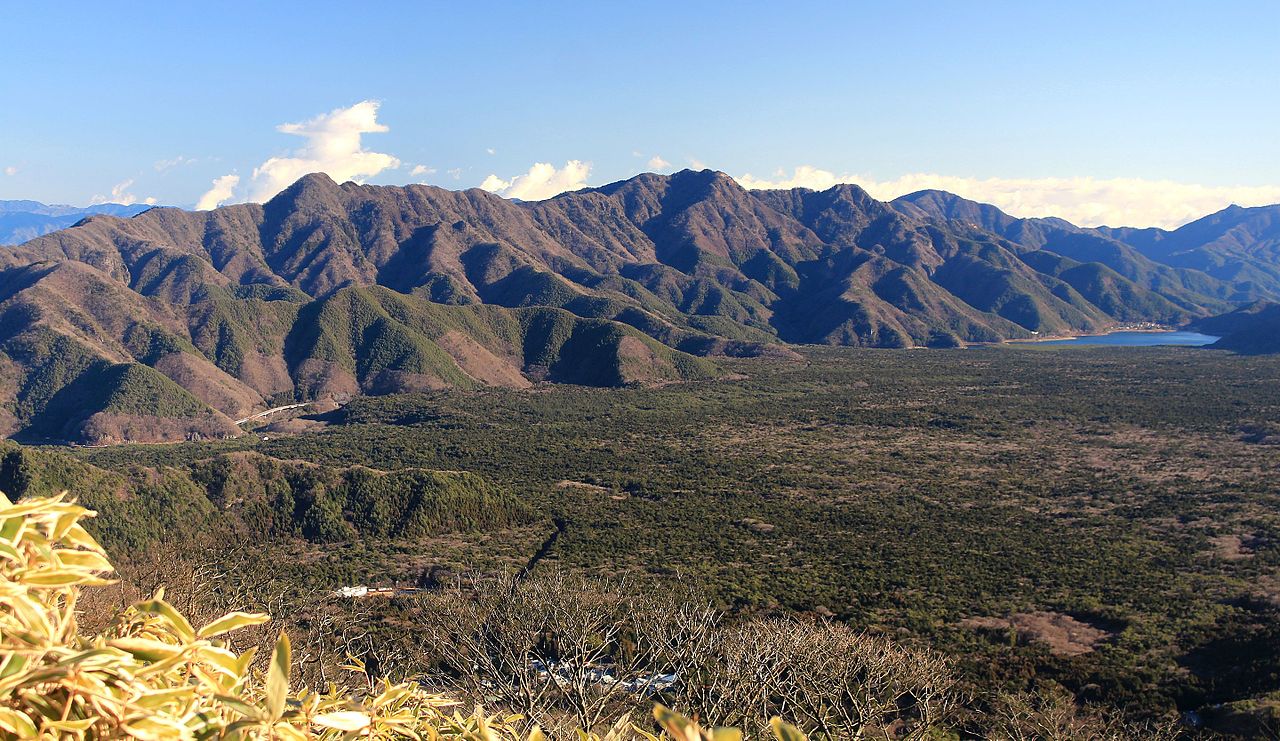
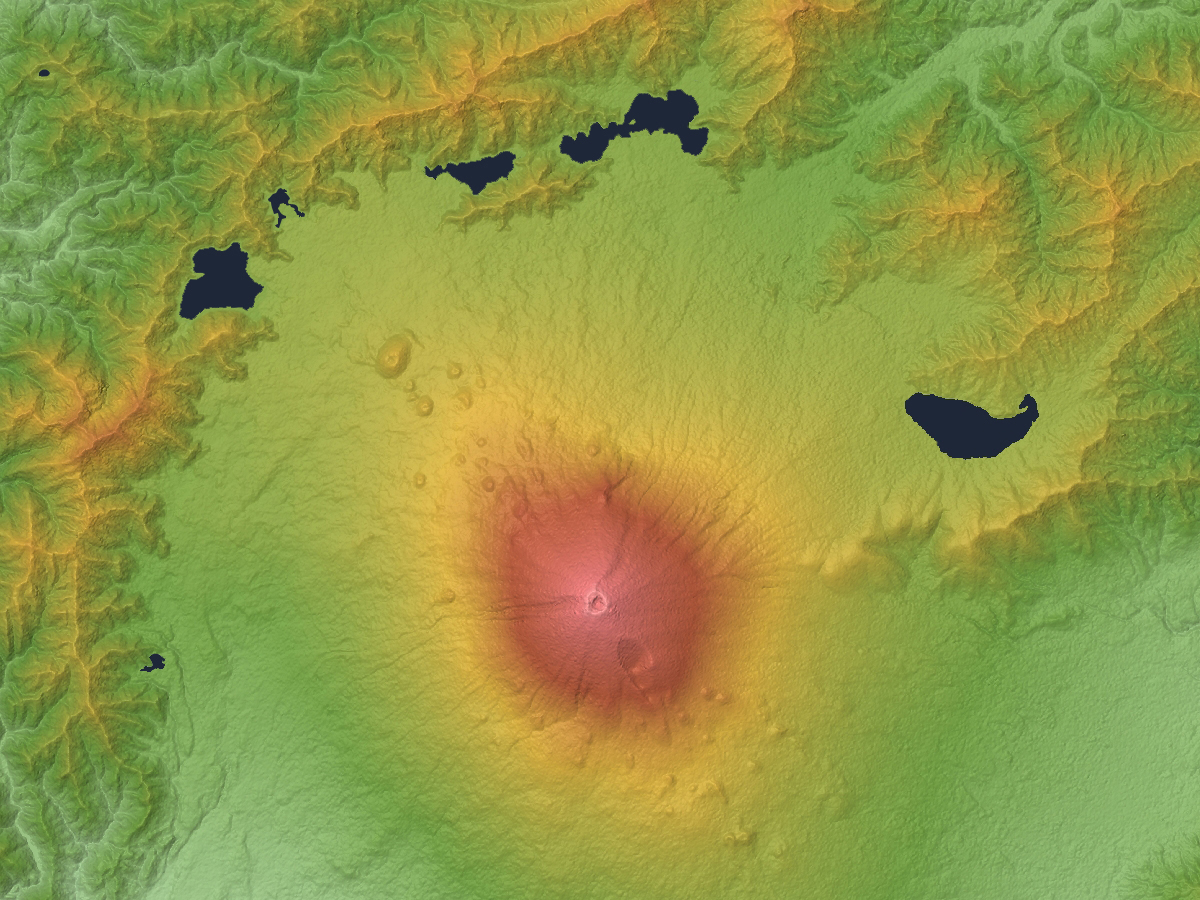
Aokigahara (Japanese: 青木ヶ原), often called the "Sea of Trees," is a dense forest located at the northwest base of Mount Fuji in Japan. The area is notable for its unusually quiet atmosphere, a network of lava-formed caves, and a reputation in both local folklore and modern media. The forest attracts hikers, spelunkers and visitors interested in geology and cultural history, while also drawing sensitive attention because of its association with suicide.
Image gallery
6 Images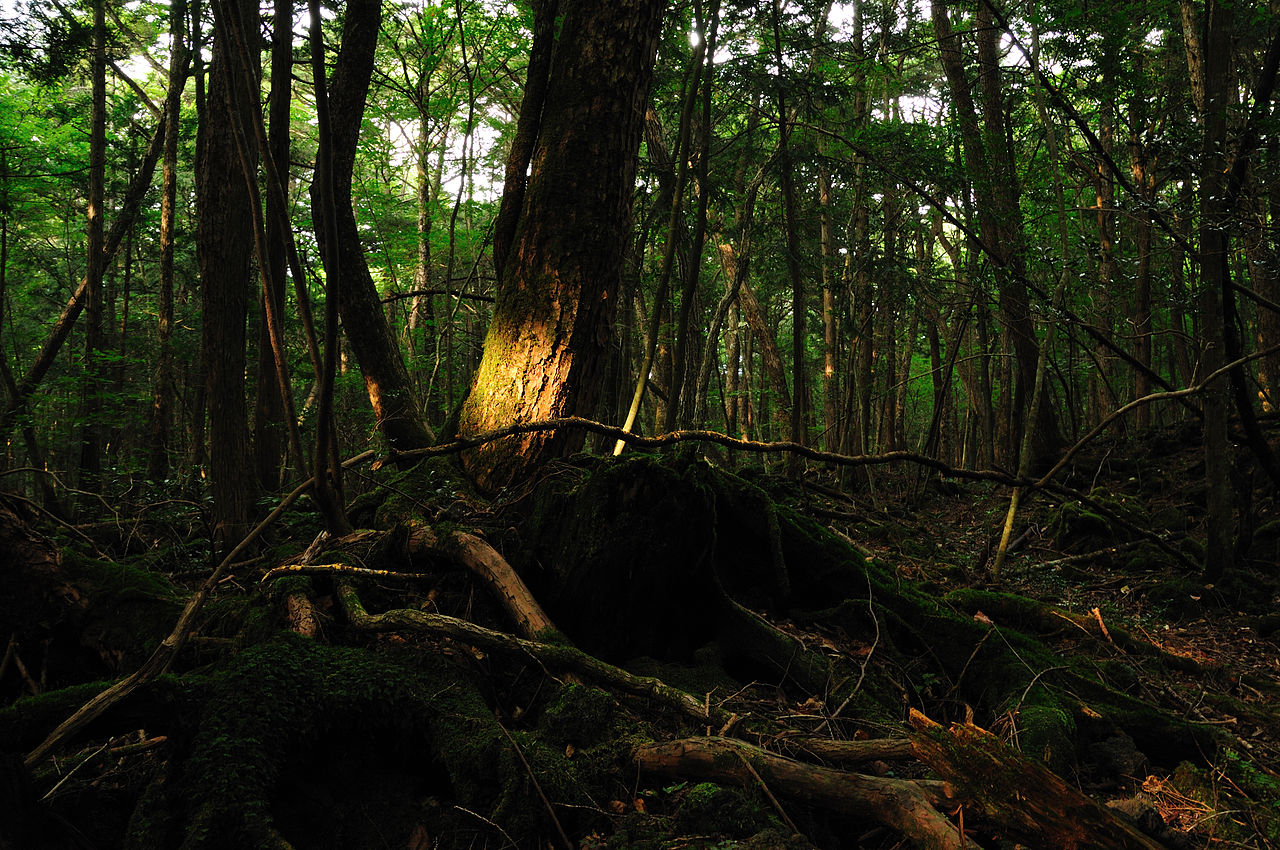



Geology and ecology
Aokigahara developed on cooled lava from historical eruptions of Mount Fuji, which produced porous volcanic rock and thin soil. These conditions support a dense stand of conifers and other trees whose close spacing and low undergrowth reduce wind and muffle sound, contributing to the forest's characteristic stillness. The lava beneath the trees has created a number of caves, including well-known show caves such as the Fugaku Wind Cave and Narusawa Ice Cave, which are visited by tourists for their unusual formations and stable low temperatures. Relative scarcity of visible wildlife and the sound-absorbing ground contribute to the forest's eerie calm.
Cultural history and folklore
Local traditions have long associated the forest with supernatural elements. Folklore references include yūrei (restless or vengeful spirits) and other tales linking the area to death and the otherworld; such stories helped shape Aokigahara's cultural image. Over time those legends mixed with modern accounts and media portrayals, reinforcing the perception of the woodland as a place with a somber, uncanny character. Some cultural depictions link the site with myths and demons in Japanese folklore, reflecting broader storytelling rather than verified historical events.
Tourism, access and safety measures
Despite its reputation, Aokigahara is a destination for many visitors who come to walk marked trails, explore lava caves, and enjoy views of Mount Fuji. Tour operators and local authorities emphasize safety: maintained paths, cave visitor centers, signage, and advice to stay on routes. Many entrances and trailheads carry notices in Japanese and English advising visitors about the fragile environment and warning of hazards. Trails and cave tours provide educational context about the area's geology and ecology, and visitors are encouraged to respect the site and follow guidance to avoid getting lost.
Association with suicide and public response
Aokigahara has become widely known as a location where people have taken their own lives. Media reports and public discussion have highlighted this association, and it is often described as one of the better-known sites for such incidents in Japan. Because of the sensitive nature of the subject, local authorities, community groups and volunteers have taken steps to reduce harm: posting messages urging people to seek help, increasing patrols, removing human remains, and directing distressed individuals to support services. Signs placed at trails include appeals in multiple languages, and families and volunteers work with officials to prevent tragedies and provide outreach.
Notable facts and distinctions
- Aokigahara's name reflects its dense, sea-like appearance of trees, and the forest sits directly on lava flows from Mount Fuji's eruptions.
- Visitors can reach several natural caves formed in the lava; some caves are set up for public access and education.
- The forest's quietness has been attributed to the sound-absorbing qualities of the volcanic substrate and the wind-blocking canopy.
- The forest has been the subject of books, documentaries and international news stories that examine both its natural features and its social significance; such coverage often sparks debate about reporting and prevention.
For more information on hiking, geology, conservation and visitor guidance, see resources linked for the forest and Mount Fuji region: Aokigahara information, Mount Fuji resources, and general travel guidance for Japan. Cultural and ecological context can be explored further through materials on local wildlife, folklore of demons and spirits, and reporting about the site's public-health challenges related to suicide. Comparative discussions sometimes mention other well-known locations such as the Golden Gate Bridge and sites in San Francisco when addressing the broader issue of public-suicide locations and prevention efforts.
Aokigahara remains a place of contrasts: a striking natural landscape formed by volcanic activity, a repository of myth and legend, a recreational area for many, and a focus of ongoing efforts to balance access, preservation and human safety.
Questions and answers
Q: Where is Aokigahara forest located?
A: Aokigahara forest is located at the northwest base of Mount Fuji in Japan.
Q: Why is the forest known to be quiet?
A: The forest is known to be quiet because there is no wildlife present, and the trees in it are so dense that they block the wind.
Q: What is Aokigahara known for?
A: Aokigahara is known for being a popular suicide spot and reportedly the most popular in Japan. It is also known for its rocky, icy caverns that are popular tourist destinations.
Q: What is the connection between Japanese mythology and Aokigahara?
A: In Japanese mythology, demons are associated with the Aokigahara forest.
Q: Are there any precautions taken to prevent suicide in the forest?
A: Yes, there are signs in both Japanese and English throughout the forest that attempt to persuade people not to commit suicide.
Q: What spirits are believed to haunt the forest?
A: The forest is said to be haunted by the Yūrei (angry spirits) that were left to die.
Q: Have people ever successfully gotten out of the forest after entering with the intention to commit suicide?
A: As far as we know, no one has ever successfully left the forest after entering with the intention to commit suicide, despite some tying threads to locate their path if they changed their mind.
Related articles
Author
AlegsaOnline.com Aokigahara — the Sea of Trees at Mount Fuji Leandro Alegsa
URL: https://en.alegsaonline.com/art/4827
Sources
- commons.wikimedia.org : Aokigahara
- online.wsj.com : "Exiting Early"
- studio360.org : "STUDIO 360 IN JAPAN"