
Anyang, Gyeonggi: city profile and overview
Anyang is a mid-sized city in Gyeonggi Province, South Korea, known as a residential and cultural suburb of Seoul with parks, art venues, and commuter rail connections.
Overview
Anyang is a city in Gyeonggi Province, located within the Seoul metropolitan area. Home to roughly six hundred thousand people, it functions largely as a residential and commercial suburb of Seoul. The city lies between Seoul and Suwon and is integrated into the greater capital region both economically and physically.
Image gallery
8 Images


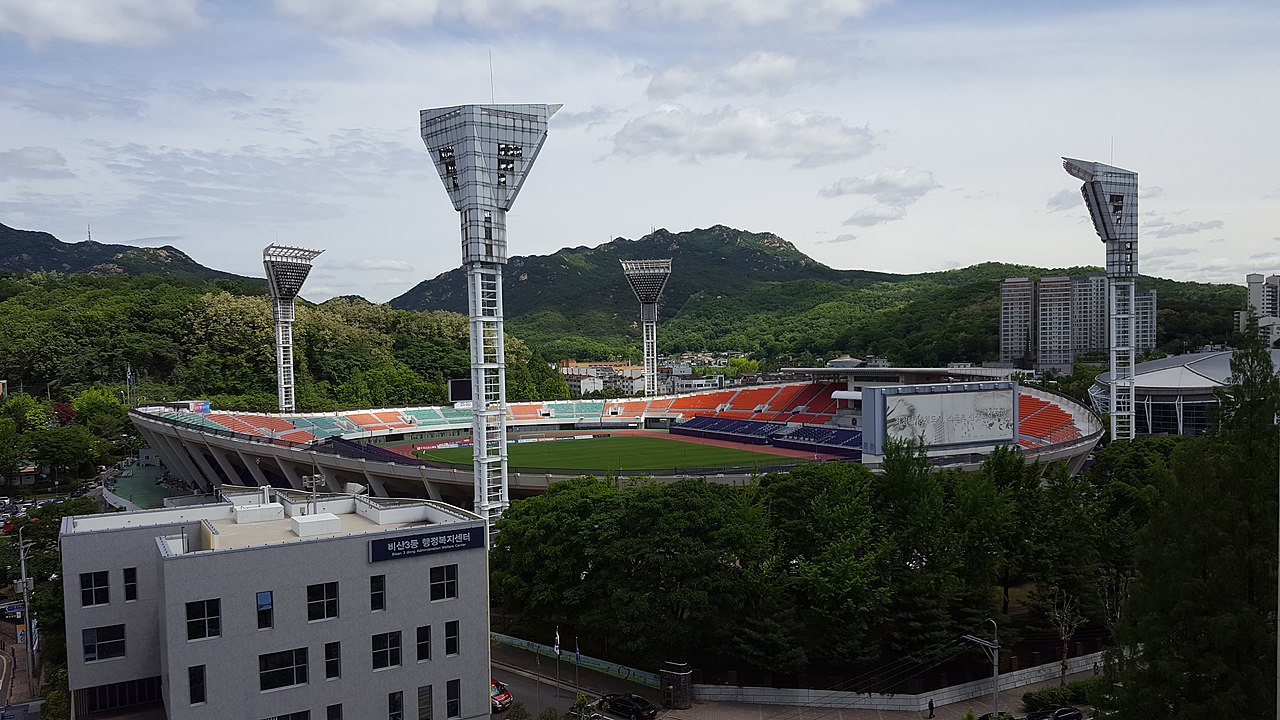


Geography and districts
Anyang is compact, with urban neighborhoods concentrated along transit corridors and green corridors formed by the Anyangcheon (Anyang Stream) and surrounding hills. Administratively it is divided into two main districts that combine housing, shopping, and local industry. The combination of riverbanks, parks and nearby ridgelines gives the city a mix of built and natural environments.
Transport and commuting
Transportation is a defining feature: the city is served by Seoul Metropolitan Subway lines and regional rail, making long-distance commuting feasible. Most residents use rail and bus links to reach Seoul or neighboring cities. Its role as a satellite city means daily flows of workers and students travel through Anyang’s stations and arterial roads.
Culture, parks and landmarks
Anyang is known for accessible green space and cultural facilities. Notable attractions include riverside walking paths, sculptural trails, and an art park that blends contemporary works with wooded terrain. Local theaters, galleries and seasonal festivals contribute to a lively community arts scene while neighborhood markets and shopping districts serve daily needs.
Economy and living
The local economy is a mix of services, light industry and small- to medium-sized enterprises. Many residents commute to larger employment centers, but the city also supports a full range of schools, healthcare, and municipal services. Housing includes apartment complexes, low-rise neighborhoods and newer mixed-use developments aimed at families and commuters.
History and identity
Historically a smaller settlement that grew with the expansion of the Seoul metropolitan area, Anyang developed rapidly in the late 20th century. Today it balances suburban function with efforts to promote green infrastructure and cultural programming, shaping an identity as both a practical commuter town and a local center for arts and outdoor recreation.
- Key transit: Seoul subway connections and regional buses
- Green spaces: streamside paths and art park trails
- Role: residential hub with local commerce and culture
For further background on regional governance and metropolitan planning see local government and transport resources linked above.
Questions and answers
Q: What is the pronunciation of Anyang?
A: The pronunciation of Anyang is [a.njaŋ].
Q: How many people live in Anyang?
A: Approximately 600,000 people live in Anyang.
Q: Where is Anyang located?
A: Anyang is located in Gyeonggi Province, South Korea. It is a satellite city of Seoul and located about 21 km (13 mi) to south of Seoul, and 19 km (12 mi) to north of Suwon.
Q: What rank does Anyang hold among cities in South Korea?
A: Anyang is the 20th largest city in South Korea.
Q: Is there public transportation available between Seoul and Anyang?
A: Yes, there is public transportation available between Seoul and Anyang via the Seoul Subway Line 1 and Line 4.
Q: How far away from Seoul is Anyang?
A: Anyang is located about 21 km (13 mi) south of Seoul.
Related articles
Author
AlegsaOnline.com Anyang, Gyeonggi: city profile and overview Leandro Alegsa
URL: https://en.alegsaonline.com/art/4813