
IRCAM: Paris institute for research in acoustics, music and sound technology
IRCAM is a Paris-based institute founded by Pierre Boulez for research, creation and technology in acoustics and computer music, housed at the Centre Pompidou and influential in contemporary and electronic music.
IRCAM (Institut de Recherche et Coordination Acoustique/Musique) is a Parisian institute devoted to research, creation and education at the intersection of music, acoustics and digital technology. Located in Paris beneath the large modern art complex known as the Centre Pompidou, IRCAM supports collaborations between composers, performers, engineers and scientists. Its activities range from laboratory research into acoustics and psychoacoustics to software development, composer residencies, public concerts and pedagogical programmes that explore both artistic practice and the science of sound.
Image gallery
5 Images

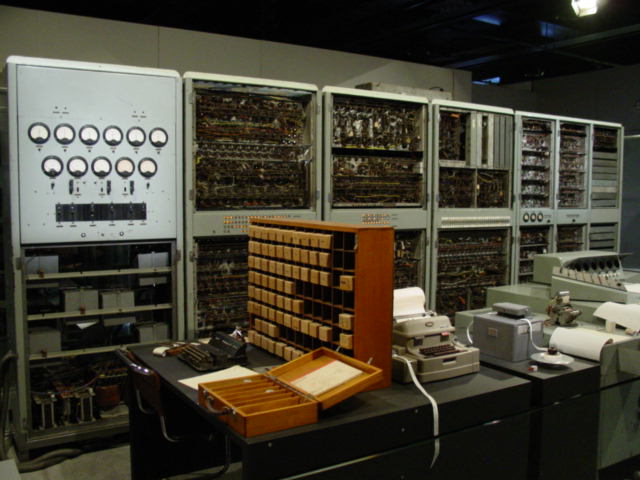

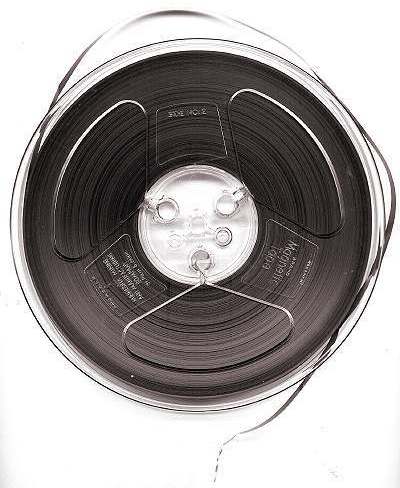
Founding and early years
The institute was created at the initiative of the French state: in the early 1970s Georges Pompidou asked the composer Pierre Boulez to help establish a centre for advanced musical research. That request is usually dated to around 1970, and after several years of planning IRCAM opened within the Pompidou complex in 1977. From its foundation the institute combined a strong commitment to artistic experimentation with systematic technical research, offering composers time and facilities to develop ideas in a context that encouraged risk and technical innovation.
Mission and activities
IRCAM’s mission encompasses three closely linked domains: musical creation, scientific research and technological development. Composer residencies and long‑term projects allow artists to explore new compositional methods and to develop works that integrate live electronics or interactive systems. On the research side, teams study sound analysis, synthesis, spatialization and perception; work ranges from laboratory measurement to perceptual experiments and applied engineering.
Software, tools and technical contributions
Over several decades IRCAM has been associated with the development and dissemination of influential software environments and techniques used in computer music. The institute has supported or hosted projects that resulted in tools such as the graphical and algorithmic composition environment OpenMusic, analysis programs like AudioSculpt and physical modelling systems such as Modalys. IRCAM has also been an important site for advances in real‑time interactive systems and spatial audio engines (for example, systems for sound spatialization and score following such as Antescofo and Spat implementations). Historically, the institute provided a research environment that influenced the development of other real‑time media environments and graphical patching languages used in electronic music performance.
Artistic impact and notable collaborators
IRCAM has attracted prominent composers and performers and has influenced contemporary music practice internationally. Early and later collaborators include the institute’s founder Pierre Boulez and composers such as Harrison Birtwistle, Jonathan Harvey and George Benjamin. Through commissions, residencies and performances, IRCAM has contributed to the dissemination of new techniques in electronic and electroacoustic composition and to the careers of many composers working with live electronics and complex sound processing.
Research culture and public role
What distinguishes IRCAM is its mixed culture of laboratory research combined with artistic freedom. Technical teams work alongside composers to prototype new instruments, experiment with timbre and spatialization, and investigate perceptual questions relevant to music and auditory display. The institute presents concerts and demonstrations to the public, organizes workshops and summer schools, and contributes to scholarly publications and open‑source projects. IRCAM also collaborates with universities, conservatories and industrial partners to apply research in both artistic and practical contexts.
For those seeking general information about the institute, its history and current programmes, institutional pages and cultural resources provide overviews of events, archives and published research. Further reading and resources include material on the founding era, biographical context for key figures, and listings of artists and works associated with IRCAM in public catalogues and research libraries. Additional institutional references include profiles of key technologies and historical summaries of the Pompidou initiative led by Georges Pompidou.
Questions and answers
Q: What does IRCAM stand for?
A: IRCAM stands for Institut de Recherche et Coordination Acoustique/Musique.
Q: What is IRCAM?
A: IRCAM is an institute in Paris for composing electronic music.
Q: Where is IRCAM located?
A: IRCAM is housed underneath the Pompidou Centre in Paris, which is a large building devoted to the arts.
Q: Who was Georges Pompidou, and what was his role in the founding of IRCAM?
A: Georges Pompidou was a former French president who asked the composer Pierre Boulez to start an institution for music research. Boulez was put in charge of IRCAM.
Q: When was IRCAM opened?
A: IRCAM was opened in 1977.
Q: What was the purpose of IRCAM in regard to composers?
A: Composers were able to work there, composing music, without having to finish pieces by any particular date. They were given plenty of time to experiment.
Q: Who are some modern composers who have worked at IRCAM or were influenced by its music?
A: Many modern composers such as Harrison Birtwistle, Jonathan Harvey and George Benjamin have worked at IRCAM or were influenced by the music that was being composed there.
Related articles
Author
AlegsaOnline.com IRCAM: Paris institute for research in acoustics, music and sound technology Leandro Alegsa
URL: https://en.alegsaonline.com/art/48126