
Iran at the Olympics: history, participation, and sporting strengths
Overview of Iran's Olympic history, participation in Summer and Winter Games, main sports of success, the National Olympic Committee, and notable facts about Iranian athletes.
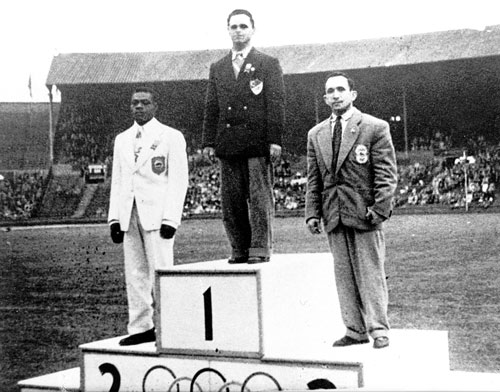
The participation of Iran at the modern Olympic movement began in the mid-20th century and has been shaping national sporting identity ever since. Iran made its Olympic debut in 1948 and has been a regular presence at the Olympic Games, particularly the Summer Olympics, with only a few notable absences. Its athletes have established the country as a strong contender in several combat and strength sports on the international stage.
Image gallery
5 Images


History and participation
Iran first sent athletes to the Games in 1948 and the country's National Olympic Committee was created the year before. Since that debut, Iranian teams have attended every edition of the Summer Olympics except for two editions in 1980 and 1984. Winter participation has been intermittent: Iran has appeared at some editions of the Winter Olympic Games beginning in 1956, though winter sport representation has remained limited by geography and climate factors.
Sports, strengths and achievements
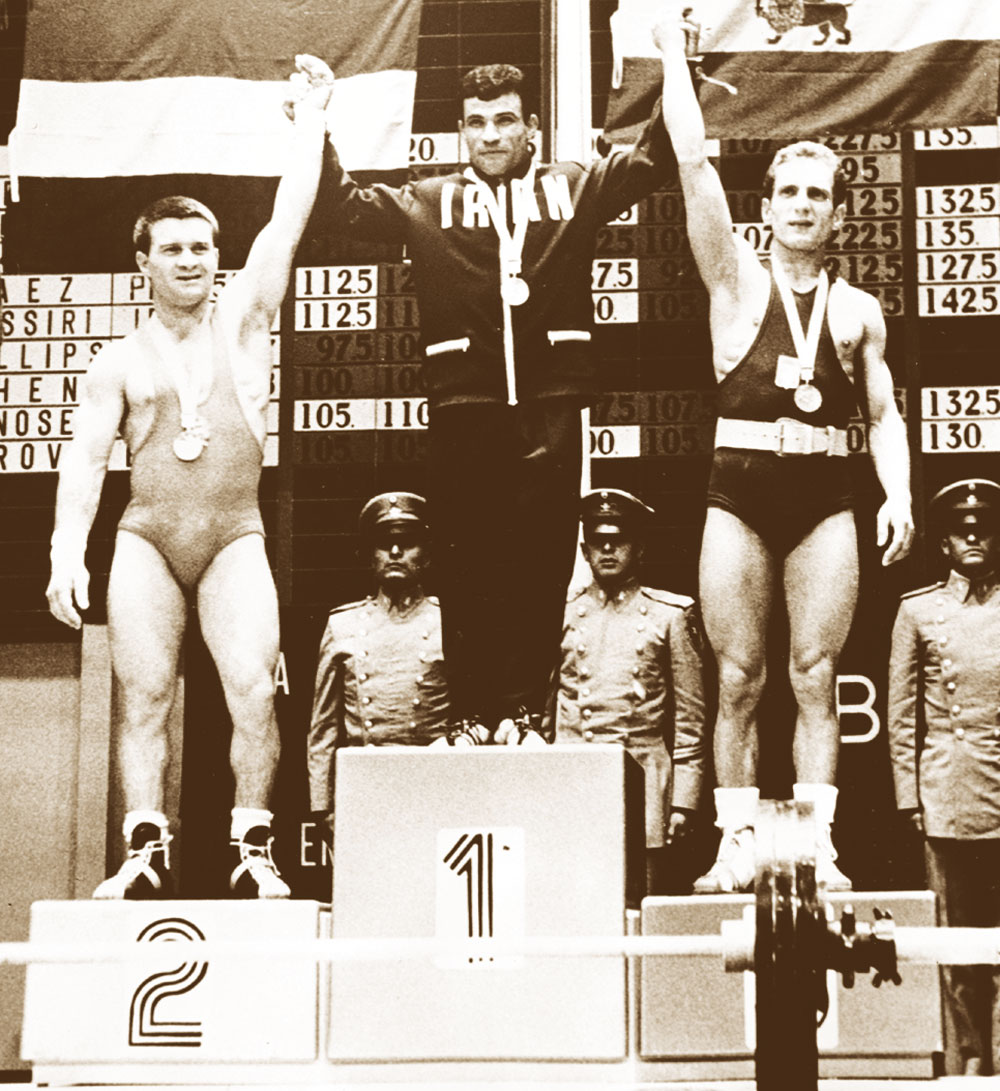
Iran's most prominent Olympic successes have come in sports requiring strength, technique and combat skill. The nation's athletes have repeatedly won medals in wrestling, weightlifting and taekwondo. These sports are widely followed and supported domestically, and Olympic success in them has produced several well-known national champions and medalists over multiple decades.
Organization and development
The country's Olympic movement is coordinated by the National Olympic Committee of the Islamic Republic of Iran, which oversees athlete selection, preparation and representation at Games and related events. Investment in training centers, international competition exposure and national championships has helped maintain continuity in the sports where Iran is traditionally competitive.
Notable facts
- Debut at the Olympics: 1948.
- National Committee established in 1947.
- Regular Summer Games participation, with absences in 1980 and 1984 for political and historical reasons.
- Sporadic Winter Games attendance since 1956.
While Iran's Olympic profile is strongest at the Summer Games, the nation's ongoing commitment to athlete development and international competition continues to influence its presence on the Olympic stage. For more institutional details or historical records, consult official Olympic archives and the national committee's publications.
Questions and answers
Q: When was Iran first present at the Olympic Games?
A: Iran was first present at the Olympic Games in 1948.
Q: Has Iran participated in all Summer Olympic Games since 1948?
A: No, Iran did not participate in the Summer Olympic Games in 1980 and 1984.
Q: Has Iran also participated in Winter Olympic Games?
A: Yes, Iran has participated in some Winter Olympic Games since 1956.
Q: Who forms the National Olympic Committee for Iran?
A: The National Olympic Committee for Iran is formed by the National Olympic Committee of the Islamic Republic of Iran.
Q: When was the National Olympic Committee of the Islamic Republic of Iran formed?
A: The National Olympic Committee of the Islamic Republic of Iran was formed in 1947.
Q: Does the text mention any changes to the name of the National Olympic Committee for Iran?
A: No, the text does not mention any changes to the name of the National Olympic Committee for Iran.
Q: What does the abbreviation "IOC" stand for in the context of the Olympic Games?
A: The abbreviation "IOC" stands for International Olympic Committee.
Related articles
Author
AlegsaOnline.com Iran at the Olympics: history, participation, and sporting strengths Leandro Alegsa
URL: https://en.alegsaonline.com/art/48098