
Apple iPod: history, models, and features of the portable media player
Overview of the Apple iPod: its evolution from the 2001 Classic to Mini, Nano, Shuffle and Touch; model differences, hardware and software features, supported formats, and the device's legacy in portable media.
The iPod is a family of portable media players created by Apple Inc. in California. These devices are designed to store and play music and other media and are a well-known example of a portable music players.
Users transfer audio and other files from a computer using the included cables, then listen through headphones. In later generations some iPods also support photos, videos, simple games and access to the internet.
Image gallery
10 Images


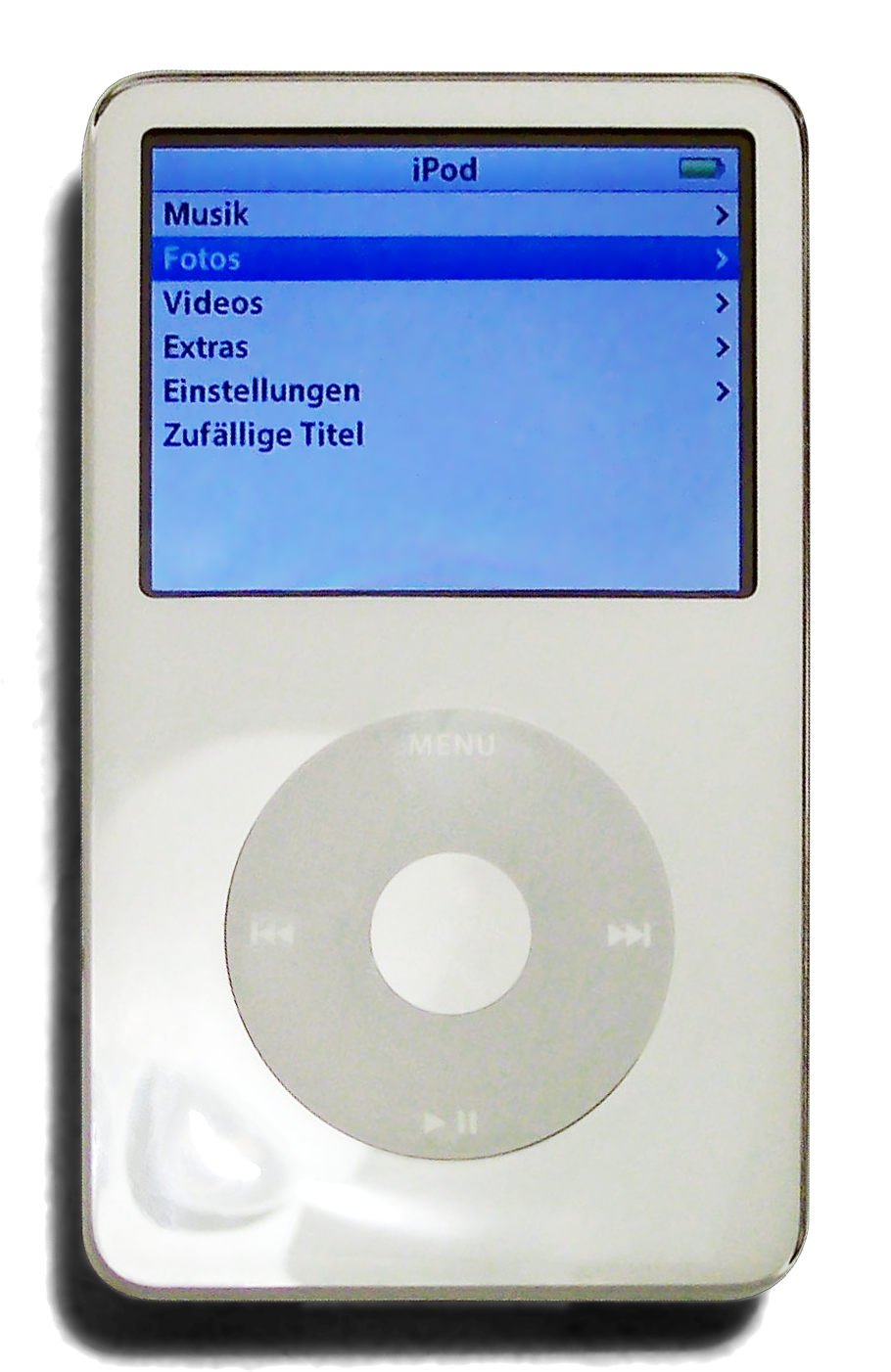
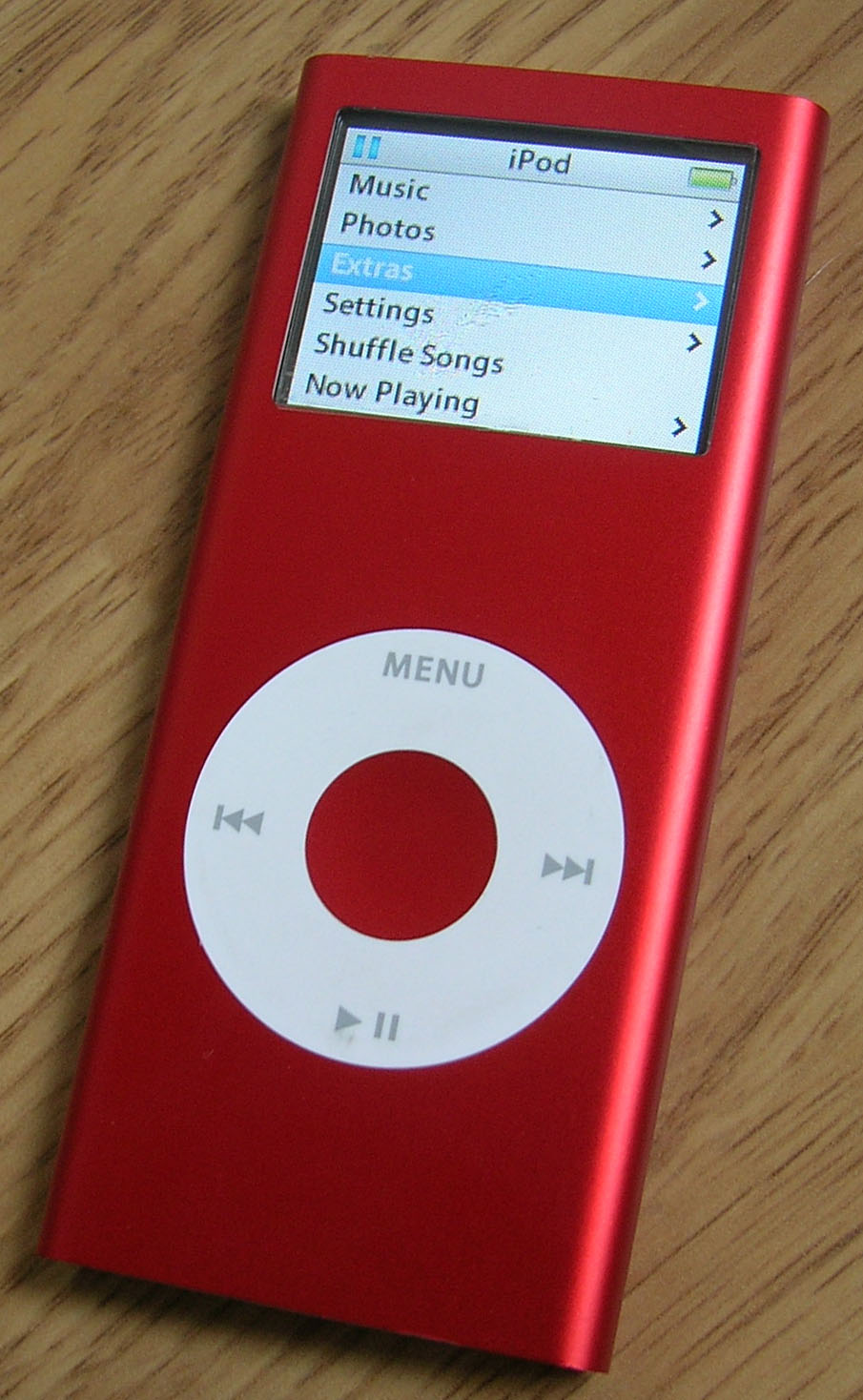
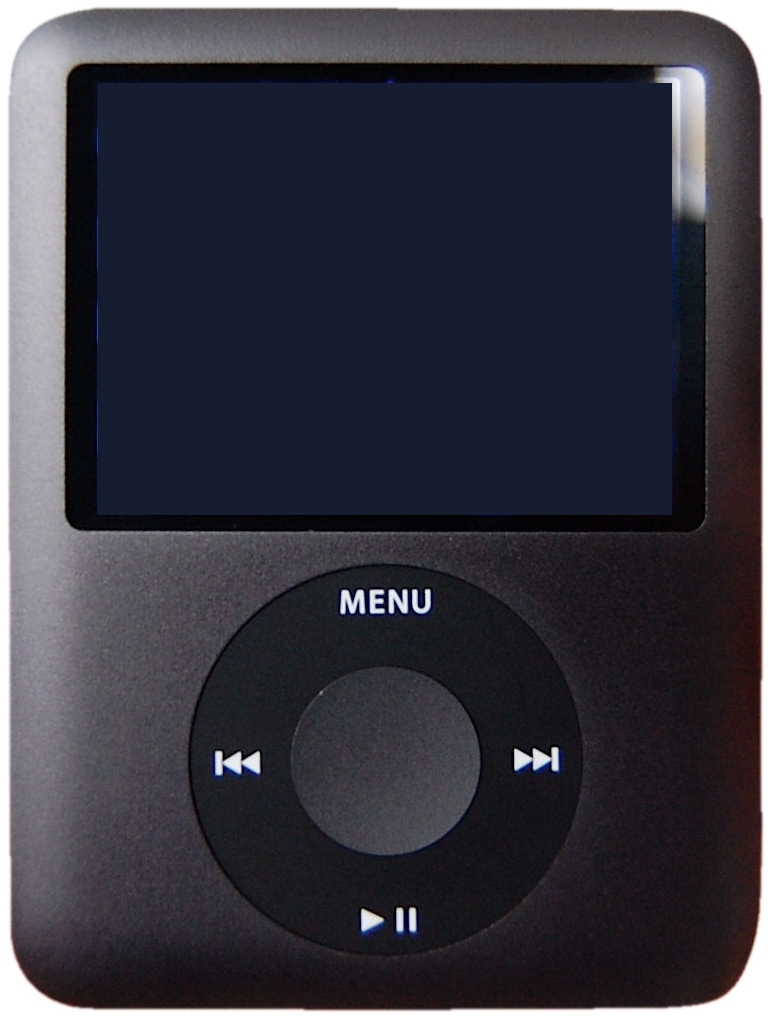
Model highlights
The original model, later called the iPod Classic, debuted on October 23, 2001 and remained in Apple’s lineup until September 9, 2014.
A compact variant, the iPod mini, used solid-state flash memory rather than a spinning hard disk; it had a smaller capacity but a reduced size and was eventually succeeded by the iPod nano.
The iPod shuffle was an ultra-small model that relied on flash memory and omitted a display to keep cost and size low.
The most feature-rich model has been the iPod touch. It uses a capacitive touch screen similar to the iPhone and is often compared to that device; the iPod touch resembles an iPhone in interface and apps but is not classified as a smartphone. The first iPod touch launched on September 5, 2007; Apple discontinued the line on May 10, 2022.
Software and formats
Tracks are commonly managed with iTunes, and content for iPods has frequently been sold through Apple’s online store. Apple’s store has used the AAC audio format for purchases rather than other widely used formats such as MP3 or WMA. These formats are forms of compressing audio to reduce file size so more music fits on a player.
The App Store, operated by Apple Inc., opened on July 11, 2008 and allows users of devices such as the iPhone and iPod Touch to obtain applications; millions of apps—some free, some paid—have been made available there.
Questions and answers
Q: What is an iPod?
A: An iPod is a range of portable music players designed by the company Apple Inc. in California.
Q: What features does an iPod have?
A: An iPod can play music, games, view pictures, watch videos and use the internet.
Q: When was the first iPod released?
A: The first iPod was released on October 23, 2001.
Q: What type of memory does an iPod mini use?
A: The iPod mini uses flash memory, a special kind of memory for very small electronics.
Q: How does one put music onto their iPod?
A: Music can be put onto an iPod using computer cables and a program called iTunes.
Q: What format are songs sold in on the iTunes Store?
A: Songs are sold in AAC file format on the iTunes Store, not MP3 or WMA.
Q: When did the App Store open?
A: The App Store opened on July 11, 2008.
Related articles
Author
AlegsaOnline.com Apple iPod: history, models, and features of the portable media player Leandro Alegsa
URL: https://en.alegsaonline.com/art/48061
Sources
- apple.com : Apple press release library
- mactracker.ca : mactracker.ca