
Interrogation: purposes, methods, legality and historical context
Interrogation is formal or informal questioning to obtain information. This article explains common methods and phases, legal and ethical limits, reliability concerns, institutional roles and historical development.
Interrogation (also called questioning) denotes the practice of asking questions of a person to obtain information, clarification, or a confession. It occurs across many settings—from routine police interviews and intelligence collection to military screening of detainees and workplace or administrative inquiries. The term covers a wide spectrum of conduct, including cooperative interviews with witnesses and more adversarial questioning of suspects. Institutional purpose, legal constraints, cultural norms and interviewer training all shape how an interrogation is planned and carried out.
Image gallery
4 Images

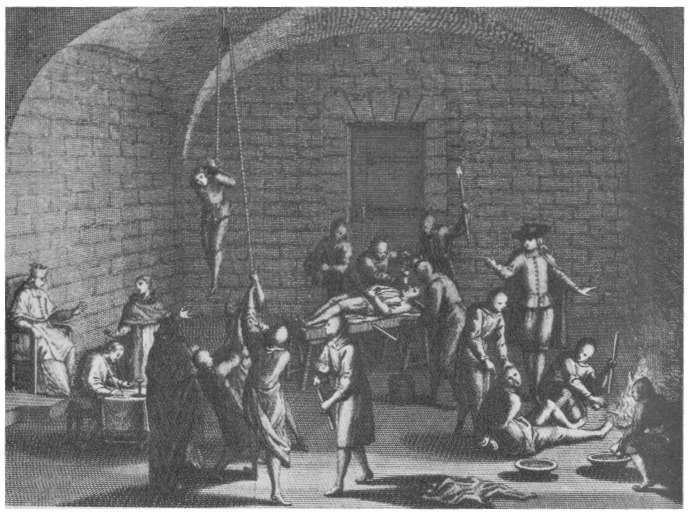

Typical phases and planning
Most formal interrogations follow several functional phases: preparation, information gathering, assessment, questioning, and documentation. Preparation involves reviewing available evidence, defining objectives and identifying legal limits. Information gathering seeks factual detail, timelines and context through a mix of open and closed questions. Assessment evaluates credibility, consistency, and the subject's emotional or cognitive state. Questioning deploys techniques chosen to meet objectives while remaining within legal and ethical boundaries. Documentation—written statements, audio or video recording—creates a contemporaneous record for investigators, supervisors or courts.
Common methods and models
Methods are often classified by intent and style rather than fixed recipes. Common approaches include:
- Rapport-building: Creating trust and a conversational tone to encourage voluntary disclosure and reduce stress.
- Information-gathering: Structured, open-ended questions that help reconstruct events and elicit corroboratable detail.
- Confrontational techniques: Presenting evidence or contradictions to prompt admission or clarification.
- Strategic disclosure: Revealing selected information to elicit correction or further detail from the subject.
- Coercive or abusive methods: Physical force, threats or torture; widely condemned, often illegal, and known to produce unreliable information.
In practice, formal models guide interviewers. For example, the PEACE model, used in several countries, emphasizes Planning and Preparation, Engage and Explain, Account, Closure and Evaluation, and is oriented toward ethically gathering information. By contrast, historically prominent techniques such as the Reid technique emphasize confrontation and behavioural analysis; it remains influential but is also the subject of debate because of concerns about false confessions.
Legal, ethical and human-rights limits
Legal rules and human-rights norms constrain interrogation practice. Many jurisdictions protect suspects' rights—such as the right to counsel and protection against compelled self-incrimination—and evidence obtained in breach of those rights may be inadmissible in court. International instruments and customary law prohibit torture and cruel, inhuman or degrading treatment; armed forces and detention authorities must also observe applicable rules under the law of armed conflict. Professional services typically train personnel to use lawful techniques and to record interviews so that conduct can be reviewed by courts or oversight bodies.
Reliability, psychology and vulnerable populations
Research in psychology shows that noncoercive methods that reduce stress and encourage detailed, free recall are more likely to produce accurate, verifiable information. Techniques that are overly suggestive, repetitive, or that threaten punishment increase the risk of false confessions—particularly among vulnerable populations such as juveniles, people with cognitive impairments, or persons experiencing severe stress or mental illness. Corroboration with physical evidence, independent witnesses, or contemporaneous records is essential to evaluate statements obtained during interrogation.
Recording, oversight and accountability
Audio or video recording of interrogations is widely recommended by practitioners and many legal systems because it preserves the context of statements, helps resolve disputes about what occurred, and supports public confidence. Oversight measures—including internal review, independent bodies, judicial scrutiny and clear documentation—help prevent abuse and ensure that information collected can withstand legal and ethical scrutiny. When allegations of mistreatment arise, transparent review is central to maintaining institutional integrity.
Institutional contexts and historical development
Different institutions use interrogation for different ends. Military questioning may focus on immediate tactical intelligence and security screening, while intelligence agencies collect information for strategic analysis and long-term operations. Civilian law enforcement concentrates on evidence-gathering for investigation and prosecution. Over time, practices have evolved with changes in law, technology and professional norms: systematic training programs, scientific research into memory and suggestibility, and the increasing use of video recording and digital data have all influenced modern interrogation practice. For introduction to operational contexts, see military applications and interviewing techniques, and for the roles of agencies responsible for criminal justice see law enforcement agencies.
Contemporary challenges
Current debates focus on balancing effective information-gathering with respect for rights and on how to reduce error: improving training, adopting evidence-based interview methods, better protecting vulnerable people, and strengthening recording and oversight. Technological changes—digital forensics, data analytics and remote interviewing—offer new tools but also raise legal and ethical questions about privacy and reliability. For legal guidance and local rules governing the interrogation of suspects, consult relevant statutes and summaries available at relevant legal resources.
Because terminology, permissible practice and oversight vary across jurisdictions and institutions, professionals emphasize training, documentation and independent review to ensure that interrogations are both effective and consistent with legal and ethical obligations. Understanding methods, limits and the scientific evidence about reliability helps practitioners, oversight bodies and the public evaluate interrogation outcomes and safeguard individual rights.
Questions and answers
Q: What is interrogation?
A: Interrogation is the act of formally or informally interviewing a person to gain needed information of some kind.
Q: Who uses interrogation?
A: Interrogations are used by military organizations, intelligence agencies, and law enforcement agencies worldwide.
Q: Why is someone usually interrogated?
A: The person is usually interrogated if they are suspected of committing a crime or have a reason to hide information.
Q: Who carries out the interrogation?
A: The questioner in criminal and military interrogations is often an officer trained in different interrogation techniques.
Q: What can impact the methods used in an interrogation?
A: Depending on how they view the person being questioned or the purpose of the interrogation, the methods used may vary widely.
Q: Can the methods used in an interrogation differ?
A: Yes, the methods used in an interrogation may differ depending on the questioner's view of the person being questioned or the purpose of the interrogation.
Q: What are some organizations that require interrogation?
A: Military organizations, intelligence agencies, and law enforcement agencies worldwide require interrogation.
Related articles
Author
AlegsaOnline.com Interrogation: purposes, methods, legality and historical context Leandro Alegsa
URL: https://en.alegsaonline.com/art/47744
Sources
- changingminds.org : "Interrogation Is..."
- highered.mheducation.com : "Interviewing and Interrogation"
- changingminds.org : "Interrogation Questions"
- forensicoutreach.com : "4 Police Interrogation Techniques You Should Know (And Why Not All of Them Work)"
- criminaldefenselawyer.com : "Tactics Police Use to Get a Confession"
- criminal.findlaw.com : "FAQs: Police Interrogations"
- rt.com : "Ex-CIA officer: Torture great way to get false confessions"
- theatlantic.com : "The Humane Interrogation Technique That Actually Works"