
International Women's Day
Annual observance on March 8 recognizing women's achievements, highlighting inequalities, and promoting gender equality through events, campaigns, and varied national customs.
Overview
International Women's Day is observed each year on March 8. It is a global occasion to recognise the social, economic, cultural and political achievements of women, to call attention to persistent inequalities, and to advocate for greater gender parity. The day is marked in many different ways around the world, including public events, educational activities, political demonstrations, workplace initiatives and personal gestures of appreciation.
The character of observance varies by country and community: in some places it is a political occasion focused on rights and reform, while in others it has a more celebratory tone and may include informal gift‑giving. Many organisations and movements use the day as a platform for campaigns addressing long‑standing issues affecting women.
Image gallery
10 Images



Origins and historical development
The origins of International Women's Day lie in early 20th‑century labour movements and campaigns for women's suffrage and social rights. A nationally observed day with similar aims was held in the United States in 1909 (US observance, 1909), organised by labour groups and women activists. In 1910, delegates to a socialist women’s conference proposed an international day of action for women; the first International Women's Day events on this basis were held in several countries in 1911.
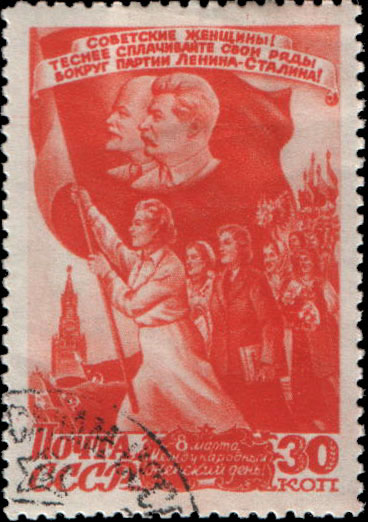
In 1917 women in Russia marked the day with mass demonstrations and strikes that contributed to the events leading to the Russian Revolution; the date of March 8 was subsequently adopted and formalised in the Soviet Union, and the observance spread to other socialist and communist states in the 1920s and afterwards, including later recognition in the People’s Republic of China and Cuba (Soviet Union, China, Cuba). The day has at times been associated with broader themes of social justice and world peace, depending on local political contexts.
United Nations recognition and annual themes
The United Nations began to observe International Women's Day in 1975, and since then UN agencies and partner organisations have promoted the day worldwide. Each year an official theme is selected to focus attention on particular challenges or goals—for example campaigns promoting equal access to education and scientific training (education and training), greater representation of women in leadership, or attention to the consequences of public health emergencies. Recent messaging has also responded to the effects of the COVID‑19 pandemic on women’s economic and social well‑being.
Customs, observances and examples
Practices for marking the day are diverse. In some countries the observance resembles a mixture of Mother's Day and Valentine's Day, with flowers and small gifts exchanged; in others it involves marches, policy events and public education campaigns. Employers, schools, community groups and political organisations may all stage activities appropriate to local priorities.
- Public demonstrations and marches to demand legal or policy changes related to gender equality.
- Conferences, workshops and training on topics such as reproductive health, labour rights and access to education.
- Cultural programmes celebrating achievements by women in arts, science, business and civic life.
- Private recognitions such as cards, flowers and gestures of appreciation for family members, friends and colleagues.
Legal recognition and country practices
International Women's Day is an official holiday or widely recognised observance in many countries. Lists of national observance are compiled by governments and international bodies; an example summary is available from an official observance list. Countries that recognise the day as a public holiday or give it special status include states across Europe, Asia, Africa and the Americas; the specific rights and practices associated with the day vary considerably.
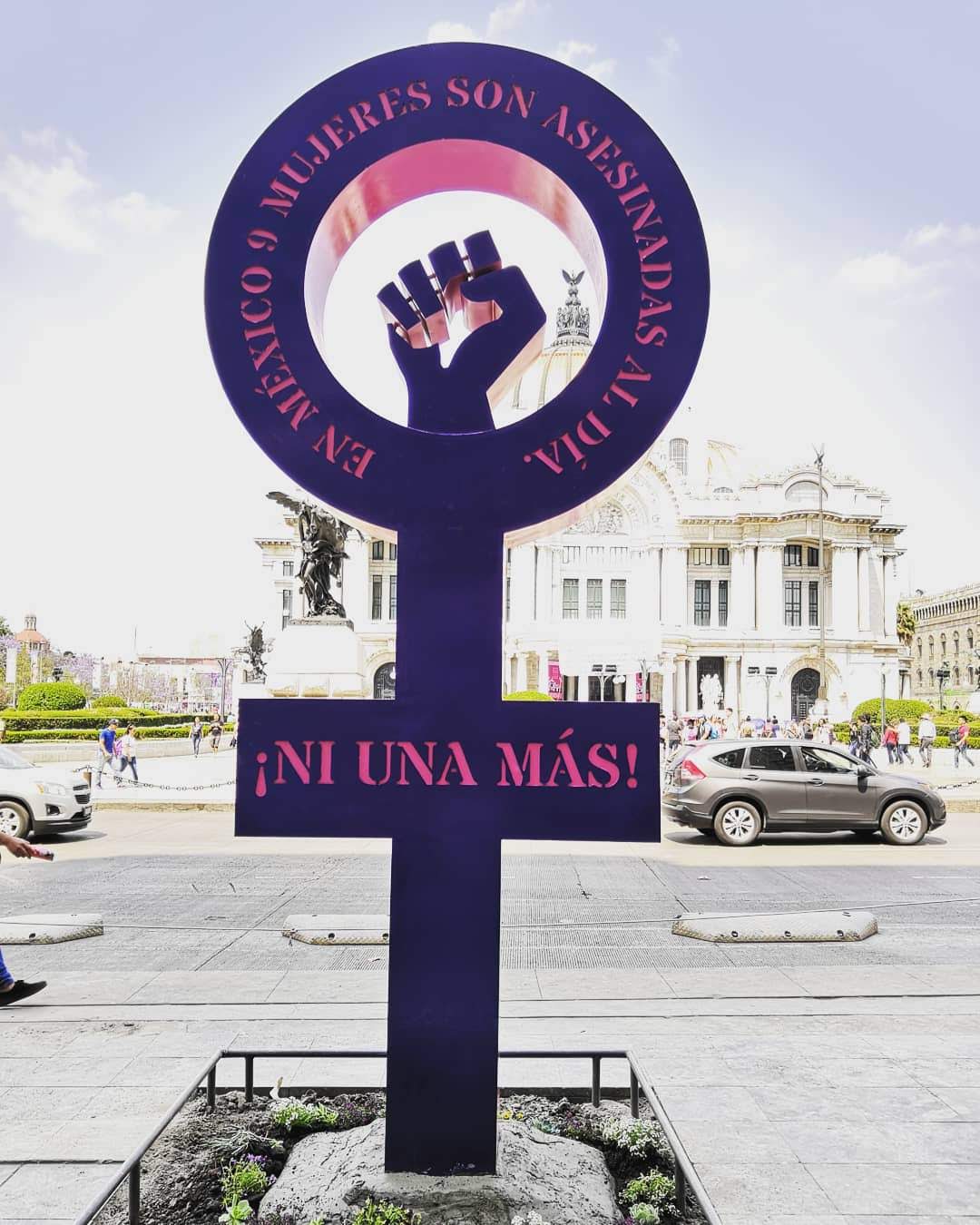
For activists and civil society groups the day remains an important moment for drawing attention to structural problems that disproportionately affect women—such as unequal pay, under‑representation in leadership positions, limited access to education and healthcare, and gender‑based violence. Many of these are grouped under broader socioeconomic issues that campaigners address through research, advocacy and legislative efforts.
Contemporary significance and critique
International Women's Day has a dual character: it is both a time to celebrate progress and an occasion for critique and mobilisation. While it provides a visible focal point for advocacy, it has attracted criticism in some contexts for becoming overly commercialised or for being depoliticised when reduced to token gestures. Organisers and scholars often emphasise the importance of linking symbolic recognition to concrete policy changes and measurable outcomes.
Over the decades the day has adapted to new movements and challenges. Campaigns associated with gender parity, workplace equality, anti‑violence measures and political representation have all used March 8 as an organising moment. For readers seeking further details on historical milestones, national practices or current campaigns, consult reputable sources and annual publications from international organisations and national agencies that track gender equality progress.
Questions and answers
Q: When is International Women's Day celebrated?
A: International Women's Day is celebrated every year on March 8.
Q: How did the celebration of International Women's Day begin?
A: International Women's Day has been observed since 1909 in the United States, but after a while people stopped celebrating it. In the 1920s Soviet Union and other Communist countries like China and Cuba started celebrating this day as a holiday for women and world peace. Since then, it has become more popular around the world.
Q: What activities are associated with International Women's Day?
A: On International Women's Day, men often express their love for women by presenting them with flowers and small gifts, similar to Mother’s Day or Valentine’s Day. In some countries, children give small gifts to their mothers and grandmothers. In some countries, women get a half day off work and schools will have celebrations where students honor their teachers.
Q: How does the UN recognize this holiday?
A: The UN chooses a political or social theme for the holiday each year to look at social and economic problems that women face around the world. For example, in 2011 the theme was "Equal access to education, training and science and technology: Pathway to decent work for women" and in 2012 it was "Women in leadership: Achieving an equal future in a COVID-19 world".
Q: Is International Women's Day an official holiday in any countries?
A: Yes, International Women's Day is now an official holiday in Albania, Algeria, Armenia, Azerbaijan, Belarus, Bosnia and Herzegovina Brazil Burkina Faso Cameroon China Cuba Ecuador Georgia Italy Israel Laos Kazakhstan Kyrgyzstan Macedonia Moldova Mongolia Montenegro Poland Romania Russia Serbia Tajikistan Ukraine Uzbekistan Vietnam.
Q: What is similar between Mother’s day & Valentine’s day ?
A: On International Women's Day men often express their love for women by presenting them with flowers and small gifts which is similar to both Mother’s day & Valentine’s day .
Related articles
Author
AlegsaOnline.com International Women's Day Leandro Alegsa
URL: https://en.alegsaonline.com/art/47701