
Instrumentation: Measurement and Control Systems
Instrumentation is the engineering field and set of devices used to measure, monitor and control physical quantities in industry, laboratories, medicine and computing.
Instrumentation refers both to the engineering discipline that deals with obtaining data about physical systems and to the physical devices used for that purpose. As a branch of applied science and engineering it combines principles of physics, electronics and control theory to perform two closely linked tasks: measuring quantities such as temperature, pressure, flow and electrical signals, and controlling variables so processes behave as intended. In everyday language the term also denotes the collection of machines and tools that perform these tasks: sensors, transmitters, controllers and actuators (instruments).
Image gallery
7 Images


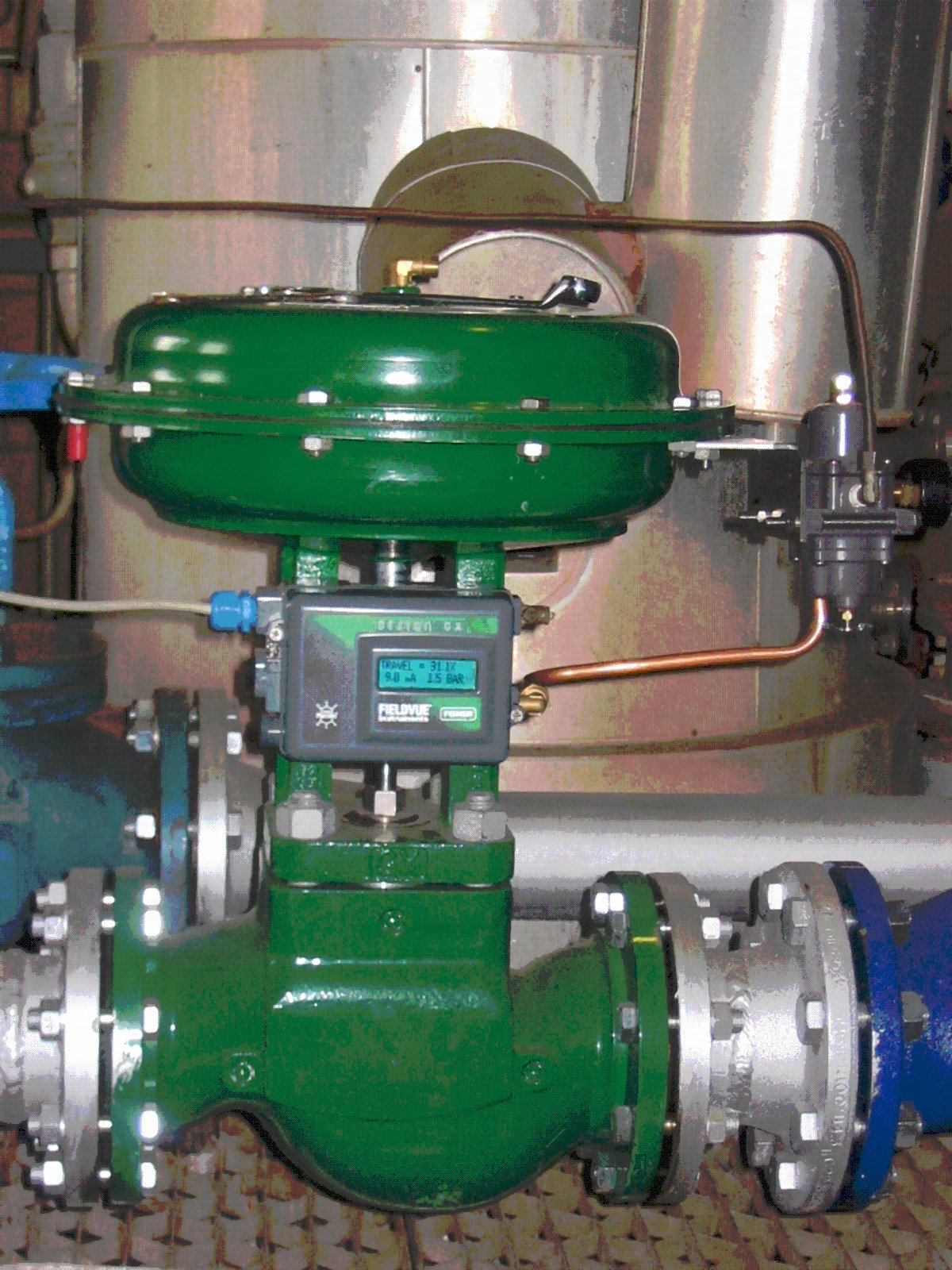

Core concepts and components
An instrumentation system typically moves through a chain of functions: sensing, conversion, signal conditioning, transmission, display or recording, and control. Key elements include sensors and transducers that convert physical effects into electrical signals; signal conditioning that filters, amplifies or linearizes those signals; data acquisition hardware or controllers that collect and process them; and actuators or final elements that change the process in response. Designers focus on accuracy, precision, sensitivity, dynamic range and reliability when selecting parts for a system.
Common types and examples
- Industrial process instrumentation: flow meters, pressure sensors, temperature probes, control valves and programmable logic controllers (PLCs).
- Laboratory and analytical instruments: spectrometers, chromatographs and precision balances used for measurement and research.
- Medical instrumentation: patient monitors, imaging equipment and diagnostic analyzers used in healthcare.
- Computing and software instrumentation: the insertion of measurement hooks into applications and systems to trace performance and usage.
History and development
The practice of instrumentation evolved from simple tools for observation into integrated electronic systems. Early measurement devices recorded basic physical properties; the demands of manufacturing and scientific research drove advances in sensor technology, electronics and feedback control. The industrial expansion of control systems—using pneumatic and then electronic control—was followed by digital controllers and networked instrumentation. Modern systems increasingly combine embedded sensors, microprocessors and software to enable automated monitoring and remote operation.
Applications and importance
Instrumentation is essential wherever reliable measurement or automated control improves safety, efficiency or understanding. In industry it optimizes production, reduces waste and enforces safety limits. In medicine it enables diagnosis, monitoring and precision treatment. Environmental and infrastructure monitoring use instrumentation to detect hazards and manage resources. In software and systems engineering, instrumentation provides the data needed to tune performance and diagnose faults. Because decisions are made from measured values, proper selection, calibration and maintenance of instruments are critical.
Design, calibration and standards
Good instrumentation practice emphasizes traceability, calibration and verification against standards to ensure measurements remain correct over time. Calibration establishes the relationship between an instrument’s output and the true value of the quantity measured. Standards bodies and industry guidelines govern units, test methods and safety. Engineers must account for sources of uncertainty, drift, environmental effects and nonlinearities when specifying and maintaining instruments.
Distinctions and notable facts
Though the words "instrument" and "instrumentation" are related, they refer to different scopes: an instrument is a single device that measures or acts, while instrumentation encompasses the complete system and the engineering practices around measurement and control. The field is multidisciplinary, overlapping with electronics, control engineering, mechanical design and information technology. For practical resources on the scientific foundations of the field see general references on the science of measurement and for supplier and device catalogs consult manufacturers and standards organizations via industry portals (instrument catalogs). For methods on data collection and system profiling, software teams often refer to resources on measuring and instrumenting applications (controlling variables).
Instrumentation remains a rapidly evolving area as new sensor technologies, digital communication protocols and machine learning techniques expand how systems are observed and controlled. Whether in a factory, laboratory, hospital or a cloud service, instrumentation provides the quantitative foundation needed to understand and influence complex systems.
Questions and answers
Q: What is instrumentation?
A: Instrumentation is the science of measuring and controlling variables.
Q: What are variables?
A: Variables are anything that can affect or change other things.
Q: How can instrumentation be used?
A: Instrumentation can be used to make processes faster or more efficient, meaning they use less effort, energy, or money to produce the same results.
Q: What does the word instrumentation may also mean?
A: The word instrumentation may also mean the machines made to measure and control things.
Q: What does the science of instrumentation involve?
A: The science of instrumentation involves figuring out the best way to measure or control something, building the machine or tools, and checking if the results are good and true.
Q: What may the science of instrumentation also include?
A: The science of instrumentation may also include setting up and using the machine or tools.
Q: What is the purpose of using instrumentation?
A: The purpose of using instrumentation is to measure and control variables more effectively and efficiently.
Related articles
Author
AlegsaOnline.com Instrumentation: Measurement and Control Systems Leandro Alegsa
URL: https://en.alegsaonline.com/art/47509