
Institut Polytechnique des Sciences Avancées (IPSA)
IPSA is a French private engineering school, founded in 1961, specializing in aeronautics and space with multiple campuses near major aerospace hubs and membership in IONIS Education Group.
The Institut Polytechnique des Sciences Avancées, commonly known as IPSA, is a French higher education institution founded in 1961 that specializes in aeronautics and aerospace engineering. It operates as a private aeronautical university institution with campuses located close to major industry centres. The school's network places it within easy reach of Paris and other regional hubs, aiming to combine academic study with practical experience for careers in aviation and space.
Image gallery
7 Images



Academic profile and programs
IPSA delivers multi-year engineering programs oriented toward aerospace, covering core subjects such as aerodynamics, propulsion, avionics, systems engineering and spacecraft design, together with management, languages and professional skills. The curriculum is designed to include laboratory work, project-based learning and mandatory internships. Graduates receive a recognised engineering degree and are prepared for roles in design offices, operations, research and industrial development. The school also offers continuing education and some joint or double-degree arrangements with partner institutions.
Campuses and locations
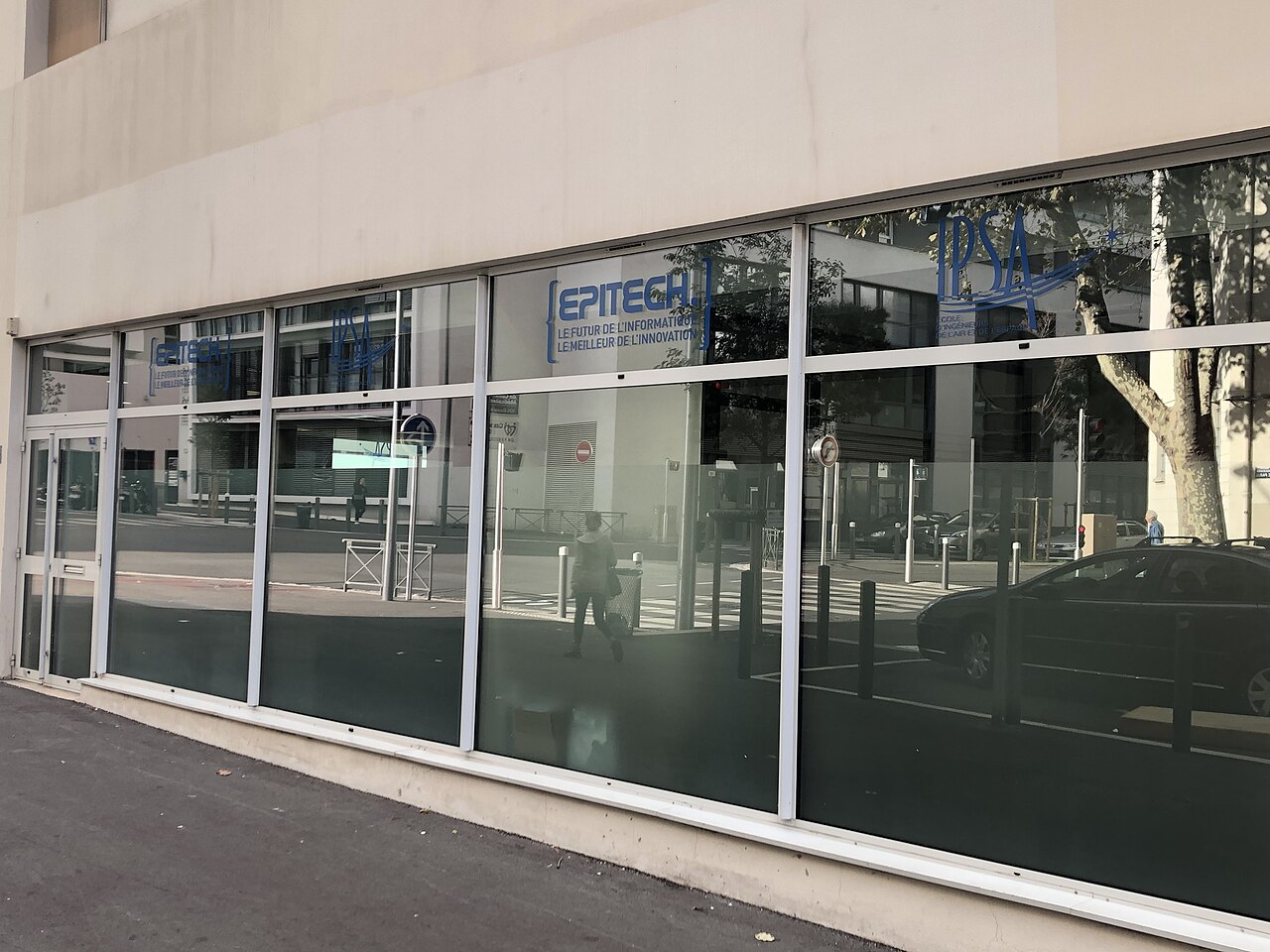
In addition to its main presence near Paris, IPSA maintains regional campuses to serve the national aerospace ecosystem: a campus in Lyon, another in Marseille and one in Toulouse. These sites situate students close to companies, research centres and industrial clusters across France, including the metropolitan area of Île-de-France and the historical aerospace region often associated with Midi-Pyrénées.
History and organization
Since its creation in 1961, IPSA has evolved from a specialist training institute into a multi-campus engineering school. It is part of the IONIS Education Group, a network of private higher education institutions in France. Institutional governance draws on academic leadership, industry advisory boards and partnerships with companies to keep programmes aligned with sector needs.
Research, industry ties and student life
The school places emphasis on applied research and hands-on projects. Student teams commonly undertake projects involving drones, rockets, cubesats and experimental systems, while laboratories support work in propulsion, control systems and embedded electronics. Strong links with manufacturers, airlines and research organisations help to secure internships and employment opportunities. Campus life includes technical clubs, flight and rocketry groups, professional societies and international exchange programmes that enrich the student experience.
Role and reputation
IPSA's focused mission on aviation and space distinguishes it from broader engineering schools: curricula are tailored to sectoral needs and practical training is reinforced by proximity to industry hubs. As a private institution, it positions itself within the French higher education landscape by aligning its degrees and partnerships with professional standards and industry expectations, preparing graduates for technical and managerial careers in the aerospace sector.
Questions and answers
Q: What is IPSA?
A: IPSA stands for the Institut polytechnique des sciences avancées, which is a private aeronautical university located in France.
Q: Where is IPSA located?
A: IPSA is located next to Paris, Lyon, Marseille and Toulouse in France, in the Île-de-France and Midi-Pyrénées.
Q: When was IPSA created?
A: IPSA was created in 1961.
Q: Who owns IPSA?
A: IPSA is part of IONIS Education Group.
Q: What type of university is IPSA?
A:IPSA is a private aeronautical university.
Q: How many cities are near to where IPSa is located?
A: There are four cities near to where IPSa is located; Paris, Lyon, Marseille and Toulouse.
Related articles
Author
AlegsaOnline.com Institut Polytechnique des Sciences Avancées (IPSA) Leandro Alegsa
URL: https://en.alegsaonline.com/art/47483
Sources
- lexpress.fr : IPSA : 50 ans avec l'aéronautique
- journal-aviation.com : L'IPSA, école d'ingénieurs aéronautique depuis 1961