
Insignia: symbols of office, authority and identity
Insignia are devices, emblems or tokens that signify office, rank, authority or membership. This article explains their forms, history, functions, legal status and common examples.
Overview
An insignia (from the Latin insigne) is any mark, emblem or token used to indicate office, rank, membership or authority. In broad usage an insignia functions as a visible symbol that communicates status (status), the holder's office, or the legitimacy of an organization such as a government or other jurisdiction. Insignia operate across civil, military, religious, corporate and civic contexts and range from small devices to large flags and seals.
Image gallery
3 Images

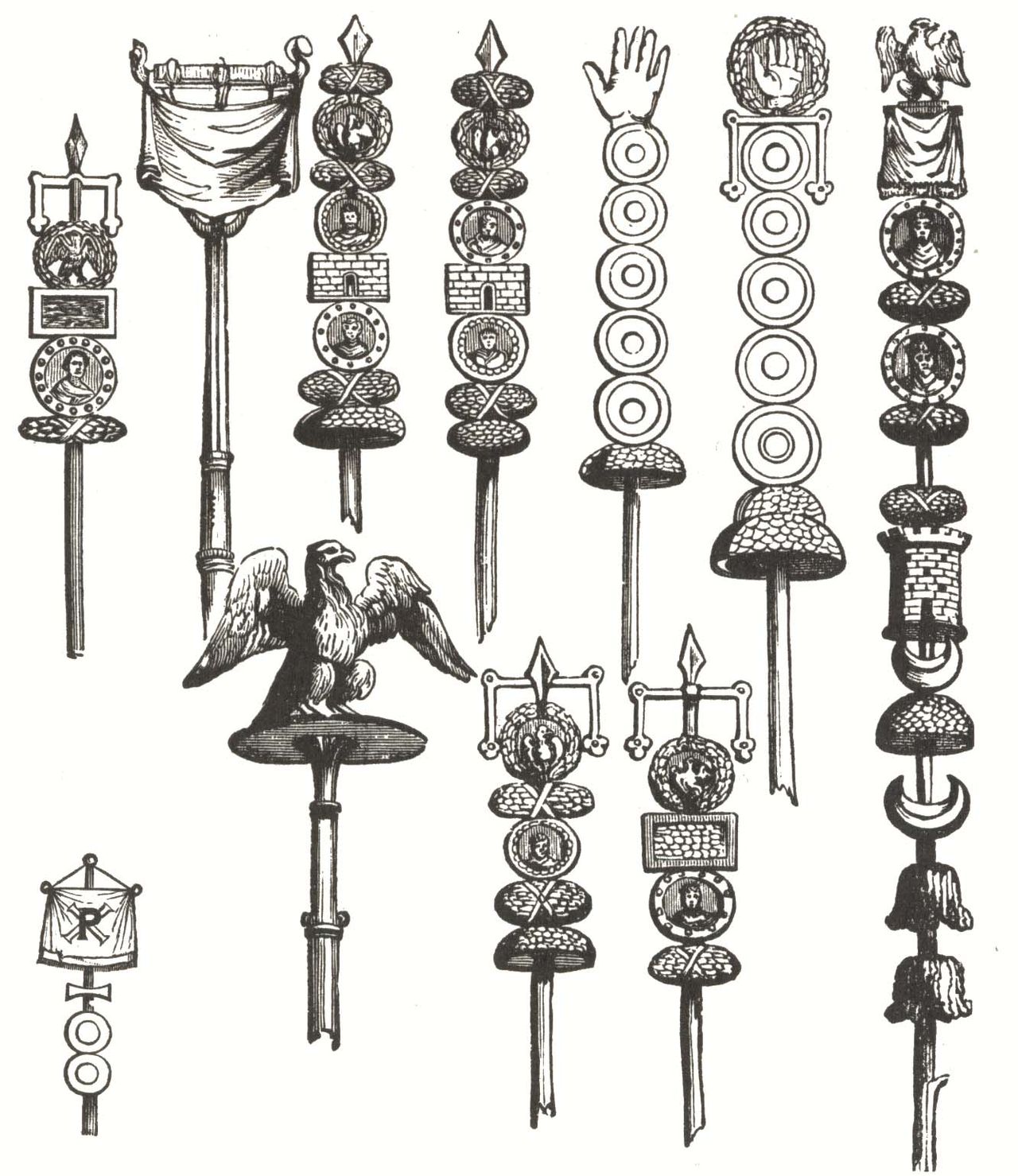
Common forms and components
Insignia take many physical forms. Some are wearable—pins, badges, cockades or shoulder patches—while others are displayed like flags and seals. Many combine graphic elements such as heraldic devices, mottoes, colors and shapes. Typical categories include:
- Crowns and coronation regalia that signify sovereign status.
- Flags and national emblems used to represent states and communities.
- Coats of arms and heraldry, long used to identify families, institutions and units.
- Service marks such as unit badges, shoulder sleeve insignia and rank chevrons.
History and development
Human societies have used insignia for millennia. Early examples include seals and standards used by ancient states to authenticate documents and field forces. Heraldic systems developed in medieval Europe as a structured method for pictorial identification, and modern nation-states later standardized flags and seals. The practice of indicating rank and role with distinctive dress or devices became formalized in militaries and courts and was subsequently adopted by civic, fraternal and corporate institutions. The name "Insignia" is also used as a commercial brand in other contexts, for example an electronics line marketed by a large retailer (electronics brand Insignia).
Functions and importance
Insignia serve practical and symbolic purposes. Practically, they make it easier to identify authority, responsibility and affiliation at a glance—useful in military operations, government ceremonies and emergency services. Symbolically, they reinforce cohesion, tradition and legitimacy. A municipal seal, a military unit badge or a scholarly hood connects present holders to institutional history and recognized norms of conduct and privilege (authority, emblem).
Legal protection and misuse
Because insignia can confer legal or social privileges, many states protect official insignia by law. Unauthorized use, defacement or imitation of certain seals, flags, regalia or rank devices is an offense in some jurisdictions. The rules and penalties vary widely: some protections focus on counterfeiting and fraud prevention, others on preserving respect for state symbols and preventing impersonation.
Notable categories and examples
Within scholarly and public discussions one often separates civic and national insignia from military rank devices and corporate or organizational marks. Examples frequently discussed are crowns and sovereign regalia, national flags and seals, the complex imagery of coats of arms and heraldry, and the everyday role of badges and shoulder patches in public service. These items remain central to how communities and institutions represent themselves and assert legitimate power in public life.
Questions and answers
Q: What is an insignia?
A: An insignia is a symbol or token of personal power, status or office, or of an official body of government or jurisdiction.
Q: What are some examples of insignia?
A: Examples of insignia include crowns, flags, coats of arms and heraldry seals, ensigns, roundels, badges, cockades, other national emblems and shoulder patch/shoulder sleeve insignias (SSI).
Q: How are official insignia protected by law?
A: Official insignia are often protected by law to allow their use only by people holding a specific office or staff members action on behalf of such a person.
Q: What happens if someone misuses an official insignia?
A: Misuse, defacement and destruction of such symbols is considered an offense in many countries.
Q: Are there different types of military rank and unit markings?
A: Yes. Different types include British Army officer rank insignias, British Army Other Ranks rank insignias, Croatian military ranks insiginas U.S. Army officer rank insiginas U.S. Army enlisted rank insiginas U.S Navy officer rank insiginas U.S Navy enlisted rate insiginas United States Air Force enlisted rank insiginas United States Air Force officer rank insiginas Polish Armed Forces rank insiginas Nazi Party Rank Insignias etc..
Q: Are there any other uses for the word "insignia"?
A: Yes - it can also refer to the electronics brand-name Best Buy as well as the Cruise Ship Insignia from Oceania Cruises and the Band Insignium from Insignium
Author
AlegsaOnline.com Insignia: symbols of office, authority and identity Leandro Alegsa
URL: https://en.alegsaonline.com/art/47450