
Innuendo: indirect suggestion and its uses in language and rhetoric
An innuendo is an indirect or implied remark that suggests something without stating it plainly; commonly used in humor, persuasion, accusation, and can carry sexual, political, or defamatory overtones.
An innuendo is a way of saying something by implication rather than directly naming it. Rather than assert a fact outright, a speaker or writer will use suggestive language, an allusion, or an ambiguous phrase so that listeners infer an unstated meaning. In everyday speech innuendo may be playful or jocular; in other contexts it can be hostile, defamatory, or manipulative. For a related cultural reference see Innuendo (album) disambiguation.
Image gallery
3 Images

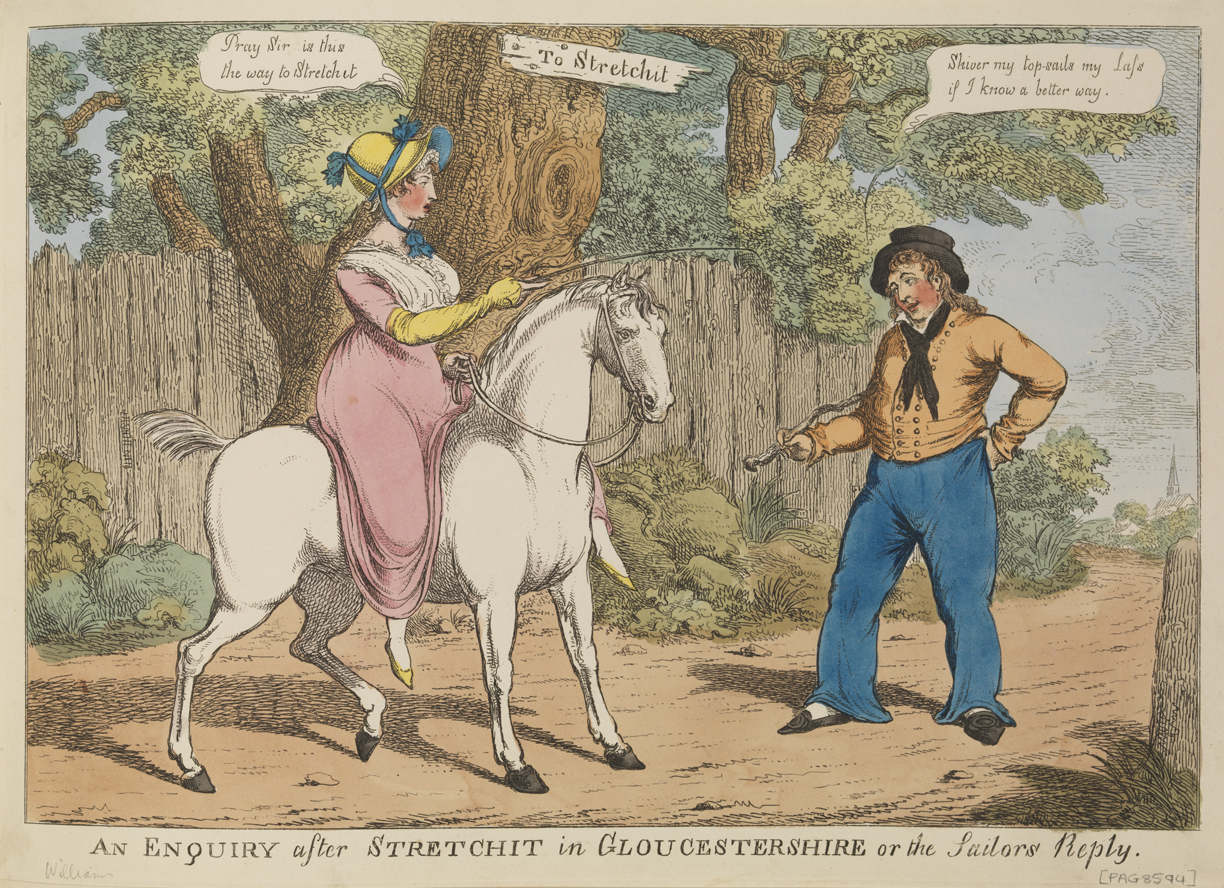
Characteristics and forms
Innuendo typically relies on context, tone, and shared knowledge between communicator and audience. Common features include understatement, ambiguous syntax, metaphorical language, and double meanings. A widely recognized subset is the double entendre—an expression with two interpretations, one of which is often sexual or risqué. The speaker depends on the audience to connect the plain meaning with the intended subtext.
Some frequent settings for innuendo are comedy and satire, where implied meaning invites the audience to participate in the joke; political rhetoric, where accusations are floated without committing to direct claims; and social conversation, where tact or deniability is sought. Linguistically, an innuendo can function by preface, insinuation, or by strategic omission that makes an implication easy to conclude.
History and etymology
The English word "innuendo" comes from Latin roots meaning "by nodding to" or "by hinting" and entered English usage as a term for indirect remark. Over time it became associated especially with insinuation and sly suggestion. The device has long been used in literature and theater to convey taboo or controversial ideas without direct statement; playwrights, poets, and novelists have often used innuendo as a tool to evade censorship while signaling meaning to receptive readers.
Uses, examples, and implications
In practice, innuendo appears across media. In comedy it creates a sense of complicity between performer and audience. In politics it can smear an opponent while preserving plausible deniability. Sexual innuendo, which plays on double meanings or risqué interpretations of otherwise innocuous phrases, is common in advertising, songs, and everyday joking. Care is needed: in professional or legal contexts an innuendo can amount to harassment or, if it communicates a false damaging implication about a person, be considered defamatory under some legal systems.
- Playful innuendo: teasing a friend about a secret without stating it.
- Rhetorical innuendo: implying incompetence or wrongdoing without explicit accusation.
- Sexual innuendo: language that suggests sexual meaning beneath a surface reading.
Writers and speakers who employ innuendo typically balance subtlety with intelligibility: the implied meaning must be detectable to the intended audience but remain deniable if challenged. This balance can make innuendo an effective rhetorical move, but it also opens ethical questions when used to mislead, stigmatize, or bully.
Distinctions and notable facts
Innuendo is related to but distinct from explicit accusation and plain assertion. Whereas an assertion states a proposition directly, an innuendo invites inference. It is also related to an insinuation, though "insinuation" often emphasizes a sly or malicious intent. For descriptions of how innuendo interacts with literary allusion and indirect reference, see discussions of allusion and implied meaning in rhetoric and criticism: further reading on allusion and implication.
Because innuendo depends on audience inference, its interpretation can vary widely across cultures, age groups, and social contexts. What is humorous or clever in one setting may be offensive or harmful in another, so awareness of audience and consequence is important when using or evaluating innuendo.
Questions and answers
Q: What is an innuendo?
A: An innuendo is an indirect or implied statement of ideas or opinions, often used to express disapproval, and can also be a remark or question that works indirectly by allusion.
Q: Can an innuendo have a negative unspoken meaning?
A: Yes, an innuendo can have a negative unspoken meaning, often with the intention of insulting or accusing someone.
Q: What is the difference between an innuendo and an insinuation?
A: An innuendo is a type of insinuation, but specifically refers to an indirect or implied statement that can also be a remark or question.
Q: How is an innuendo often used to insult or accuse someone?
A: An innuendo can be used to insult or accuse someone by wording the statement in such a way that the words themselves seem innocent but have a negative unspoken meaning.
Q: Is sexual innuendo a specific type of innuendo?
A: Yes, sexual innuendo is a specific type of innuendo that plays on a possibly sexual meaning of an otherwise innocent statement.
Q: What is the meaning of the term "double sens"?
A: The term "double sens" means a double meaning, often used in relation to sexual innuendo.
Q: Is Innuendo (album) related to the definition of an innuendo?
A: No, Innuendo (album) is not related to the definition of an innuendo.
Related articles
Author
AlegsaOnline.com Innuendo: indirect suggestion and its uses in language and rhetoric Leandro Alegsa
URL: https://en.alegsaonline.com/art/47417