
The Honourable Society of the Inner Temple
One of the four historic Inns of Court in London, the Inner Temple trains and calls barristers, preserves legal traditions, and occupies a distinctive precinct beside the Royal Courts of Justice.
Overview
The Honourable Society of the Inner Temple is one of the four historic Inns of Court that support the English and Welsh bar. Situated close to the Royal Courts of Justice in central London, the Inner Temple has the authority to admit members to the Bar and to provide the combination of professional training, mentoring and communal life expected of an Inn.
Image gallery
10 Images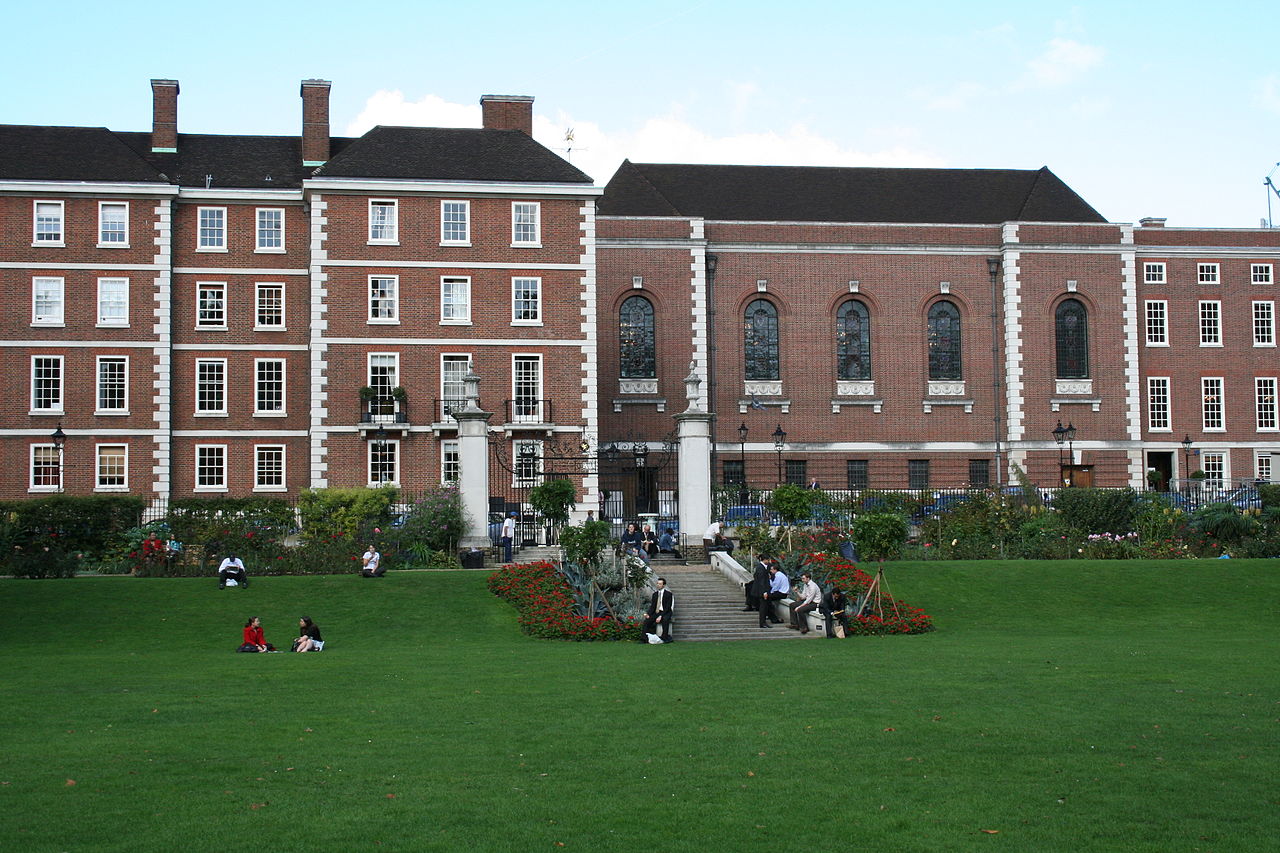


Structure and functions
The Inner Temple is a self-governing professional association governed by senior members known as benchers. Its contemporary roles include:
- admission and formal ceremony to call members to the Bar;
- provision of legal education, library resources and professional mentoring;
- maintenance of residential and dining facilities for members and students;
- preserving traditions and administering disciplinary and ceremonial matters.
Other constituent Inns with similar responsibilities are the Middle Temple, Gray's Inn and Lincoln's Inn.
History and origins
The precinct known as the Temple has medieval roots. Before the legal profession took up residence, the area was associated with the Knights Templar. After the suppression of that order the grounds evolved into separate legal precincts, traditionally known as the Inner and the Middle Temple. The Inner Temple is first recorded in connection with legal occupation after the disturbances of 1381, when the homes of lawyers were burned during the uprising led by Wat Tyler.
Buildings, precinct and wartime damage
The Inner Temple includes halls, libraries, chambers and the historic Temple Church within its precincts, and has landscaped gardens and riverside approaches. Like much of central London it suffered damage during wartime bombing around the River Thames, followed by repair and conservation work in the 20th century to restore its civic and professional buildings.
Significance and distinctions
Beyond calling barristers, the Inner Temple plays a distinctive cultural and educational role: it offers scholarships, hosts lectures and adjudicates on professional standards. Its status as an Inn of Court ties it to a centuries-old system in which professional identity, practical training and social ties are intertwined. The Inner Temple remains independent from government regulation of the bar, though it works alongside regulatory bodies to support standards and competence.
Visiting and membership
Membership is principally composed of barristers, judges and law students. The precinct is also of interest to visitors for its historic architecture and gardens; details on access, ceremonies and study opportunities are maintained by the Society and its officers.
For authoritative background and practical information, the Inner Temple can be explored through institutional resources and published histories maintained by the legal community and the Inns themselves.
Questions and answers
Q: What is the Honourable Society of the Inner Temple?
A: The Honourable Society of the Inner Temple is one of the four Inns of Court around the Royal Courts of Justice in London.
Q: What is the purpose of the Inner Temple?
A: The Inner Temple may call members to the Bar and allow them to practice as barristers.
Q: What are the other Inns of Court around the Royal Courts of Justice in London?
A: The other Inns of Court around the Royal Courts of Justice in London are Middle Temple, Gray's Inn and Lincoln's Inn.
Q: When was the Inner Temple first recorded as being used for legal purposes?
A: The Inner Temple was first recorded as being used for legal purposes when lawyers' houses were burned down in Wat Tyler's revolt in 1381.
Q: What was the Inner Temple occupied by before it was used for legal purposes?
A: Before it was used for legal purposes, the Inner Temple was occupied by the Knights Templar.
Q: Was the Inner Temple damaged during wartime bombings?
A: Yes, the Inner Temple was damaged during wartime bombings in the areas surrounding the River Thames.
Q: What areas surround the River Thames in London?
A: The areas surrounding the River Thames in London include the Inner Temple, as well as other landmarks such as the Royal Courts of Justice.
Related articles
Author
AlegsaOnline.com The Honourable Society of the Inner Temple Leandro Alegsa
URL: https://en.alegsaonline.com/art/47396