
Antonie van Leeuwenhoek: Pioneer of Microscopy and Microbiology
Dutch 17th-century tradesman and self-taught scientist whose handcrafted microscopes revealed bacteria, protozoa and cells; a foundational figure in microscopy and microbiology.
Antonie Philips van Leeuwenhoek (1632–1723) was a Dutch artisan and municipal official who became one of the most influential early observers of the microscopic world. Working in Delft without a university appointment, he developed and polished high-quality single-lens microscopes and used them to document forms of life and structure previously unseen by human eyes. His reports introduced the terms and ideas that led to modern microbiology.
Image gallery
10 Images


Early life and occupations
Born in Delft and trained as a draper, van Leeuwenhoek moved into civic service where his work as a surveyor and inspector allowed time for experimental hobbies. He never published a book; instead he communicated discoveries through detailed letters, many written in Dutch and translated for the Royal Society of London. His practical background shaped a careful, empirical approach rather than academic theorizing.
Microscopes and techniques
Van Leeuwenhoek’s instruments were simple, usually a single, small, well-polished glass lens mounted between metal plates. Despite their modest appearance, these microscopes achieved remarkable image quality and magnification for the period. He perfected lens-grinding and mounting techniques and learned to prepare very small, thin samples and to illuminate them effectively. His procedures emphasized repeated observation, careful sketching, and comparison of specimens from different environments.
Observations and discoveries
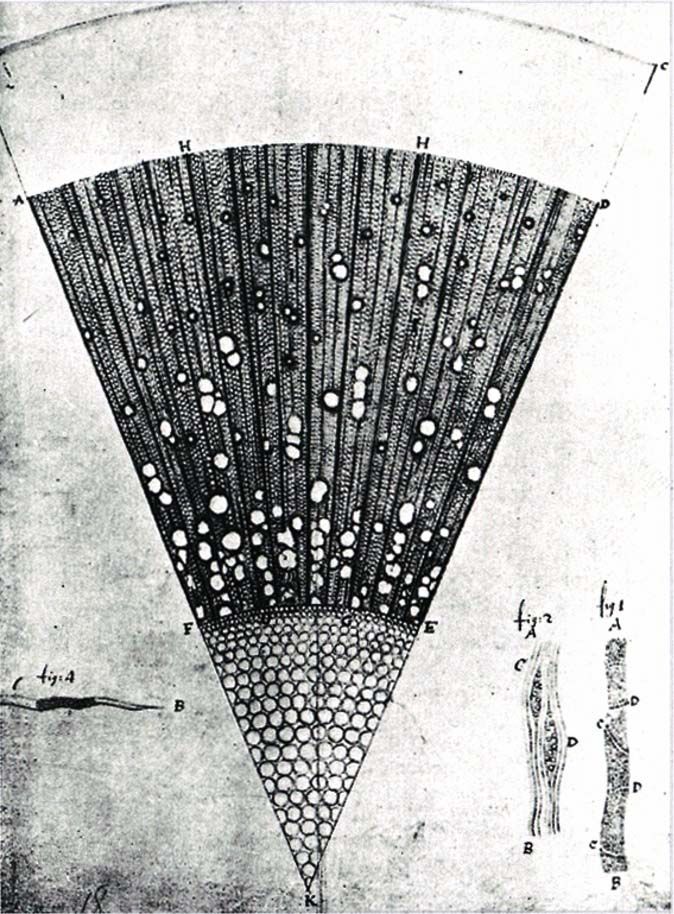
Using rainwater, pond water, dental scrapings and other sources, van Leeuwenhoek described tiny living forms he called "animalcules"—organisms now recognized as protozoa and bacteria. He recorded the shape and motion of bacteria, the structure of muscle fibers, the circulation of blood in tiny vessels, cell-like structures such as vacuoles, and spermatozoa in insects, animals and humans. These findings challenged prevailing ideas about the limits of life and biological structure.
- First systematic reports of single-celled organisms and diverse microbes.
- Early descriptions of bacteria and protozoa from environmental and bodily samples.
- Microscopic observations of sperm, blood flow in capillaries, muscle and nerve structure.
Communication and scientific practice
Rather than issuing formal treatises, van Leeuwenhoek sent dozens of letters to the Royal Society in London, which published many in Philosophical Transactions. His correspondence included sketches, measurement estimates and methodological notes. Although some contemporaries found his claims extraordinary, repeated observations by others later verified his reports and cemented their importance.
Legacy and significance
Van Leeuwenhoek’s work laid groundwork for bacteriology, protozoology and cell biology by demonstrating that complex, previously invisible life-forms exist in abundance. He is remembered both for technical skill—producing lenses that revealed new scales of nature—and for an observational style that emphasized meticulous description. Museums, historians of science and textbooks often credit him as the first person to see and record microbes.
Further reading and related links
- Biographical overview: tradesman and scientist
- Career as a draper and municipal official
- Scientific correspondence and letters
- Delft: van Leeuwenhoek’s hometown
- Microscope design and optics
- Single-celled life and early observations
- Animalcules and protozoa explained
- Muscle structure and early histology
- Early accounts of bacteria
- Blood and the microcirculation
- Capillaries and circulation observations
- Civil service roles and their influence
- Lens grinding and instrument-making
- Protozoology: development of the field
- Microbes in the human body
- Foundations of bacteriology
- Cell structures observed by van Leeuwenhoek
For readers who wish to explore primary texts and museum collections, the links above point to curated resources and digitized letters. Van Leeuwenhoek’s combination of artisanal skill and disciplined observation remains a notable example of how relatively simple tools and patient inquiry can open entire new domains of scientific knowledge.
Questions and answers
Q: Who was Antonie Philips van Leeuwenhoek?
A: Antonie Philips van Leeuwenhoek was a Dutch tradesman and scientist from Delft, Netherlands. He is best known for his work to improve the microscope.
Q: What did Van Leeuwenhoek use to study tiny objects?
A: Van Leeuwenhoek used handcrafted microscopes that he had skillfully ground himself in order to study tiny objects.
Q: What did Van Leeuwenhoek observe with his microscopes?
A: With his microscopes, Van Leeuwenhoek observed single celled organisms, muscle fibers, bacteria, spermatozoa and blood flow in small blood vessels.
Q: How did Van Leeuwenhoek share his discoveries?
A: Rather than writing books, Van Leeuwenhoek sent letters about his discoveries to the Royal Society in London which were published in their journal Philosophical Transactions of the Royal Society.
Q: What type of career did Van Leeuwenhoek have before dedicating time to studying microscopic objects?
A: Before devoting time to studying microscopic objects, Van Leewenhook was apprenticed to a draper and later held a civil service position.
Q: What were some of the first things that he observed under the microscope?
A: Under the microscope, some of the first things that he observed included protozoa in rainwater, pond water and well water; bacteria in human mouths and intestines; as well as spermatozoa of insects, dogs and humans.
Q: What foundations didVan Leewenhook's observations lay for science?
A: His observations laid the foundations for bacteriology and protozoology by being among the first people ever to see bacteria, protists, spermatozoa, cell vacuoles ,blood corpuscles capillaries ,the structure of muscles and nerves .
Related articles
Author
AlegsaOnline.com Antonie van Leeuwenhoek: Pioneer of Microscopy and Microbiology Leandro Alegsa
URL: https://en.alegsaonline.com/art/4733