
IndyCar Series (NTT IndyCar Series)
Premier North American open-wheel racing championship featuring the Indianapolis 500, a mix of ovals and road/street courses, standardized chassis and engines, and a history tied to the IRL, CART split and later reunification.
Overview
The IndyCar Series, commercially known as the NTT IndyCar Series, is the top level of American single-seater, open-wheel racing. It features professional teams and drivers who compete across a season of diverse events that include high-speed ovals, permanent road courses and temporary street circuits. The Indianapolis 500 sits at the center of the series as its most prestigious and widely recognized race.
Image gallery
10 Images

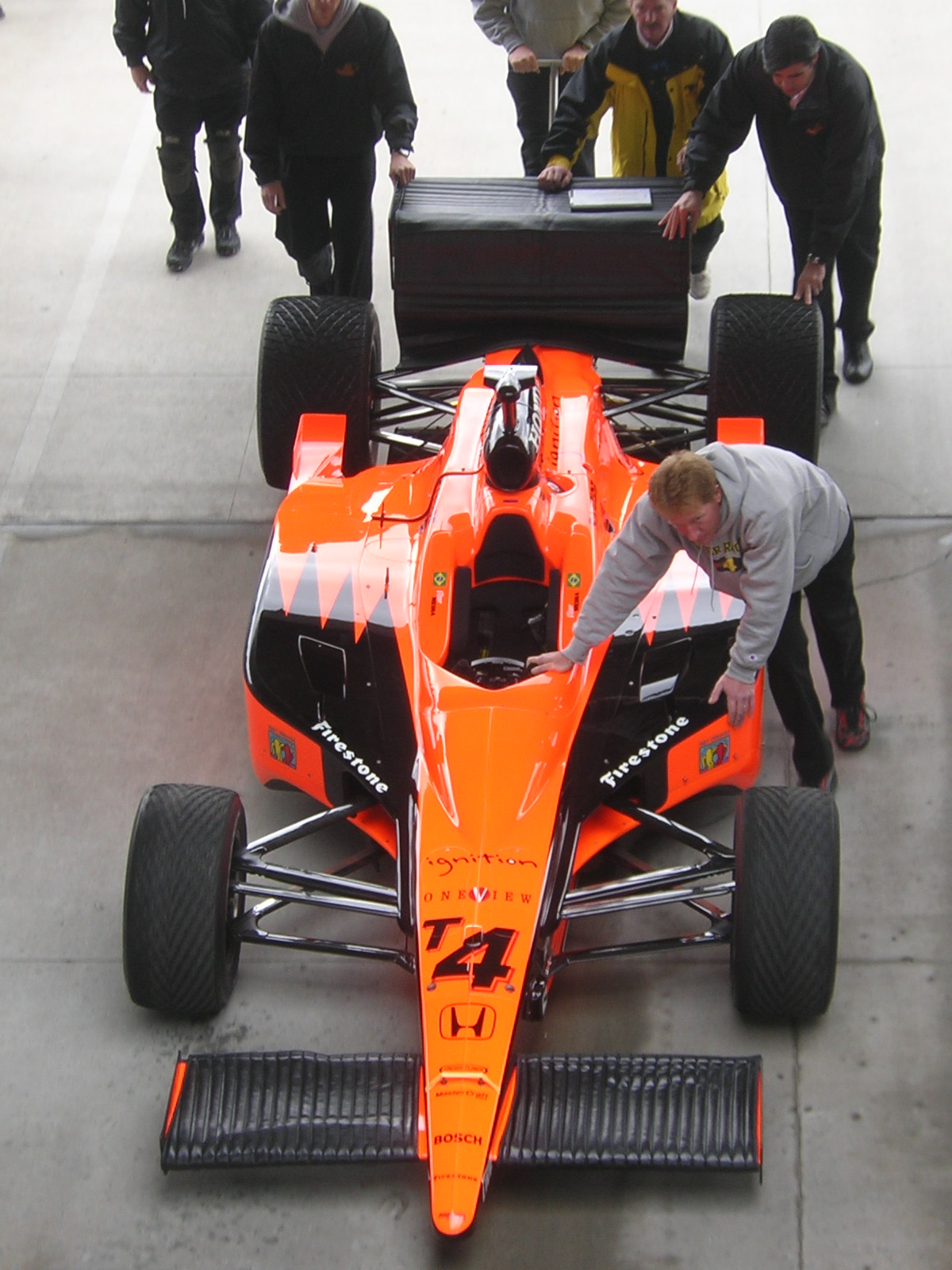


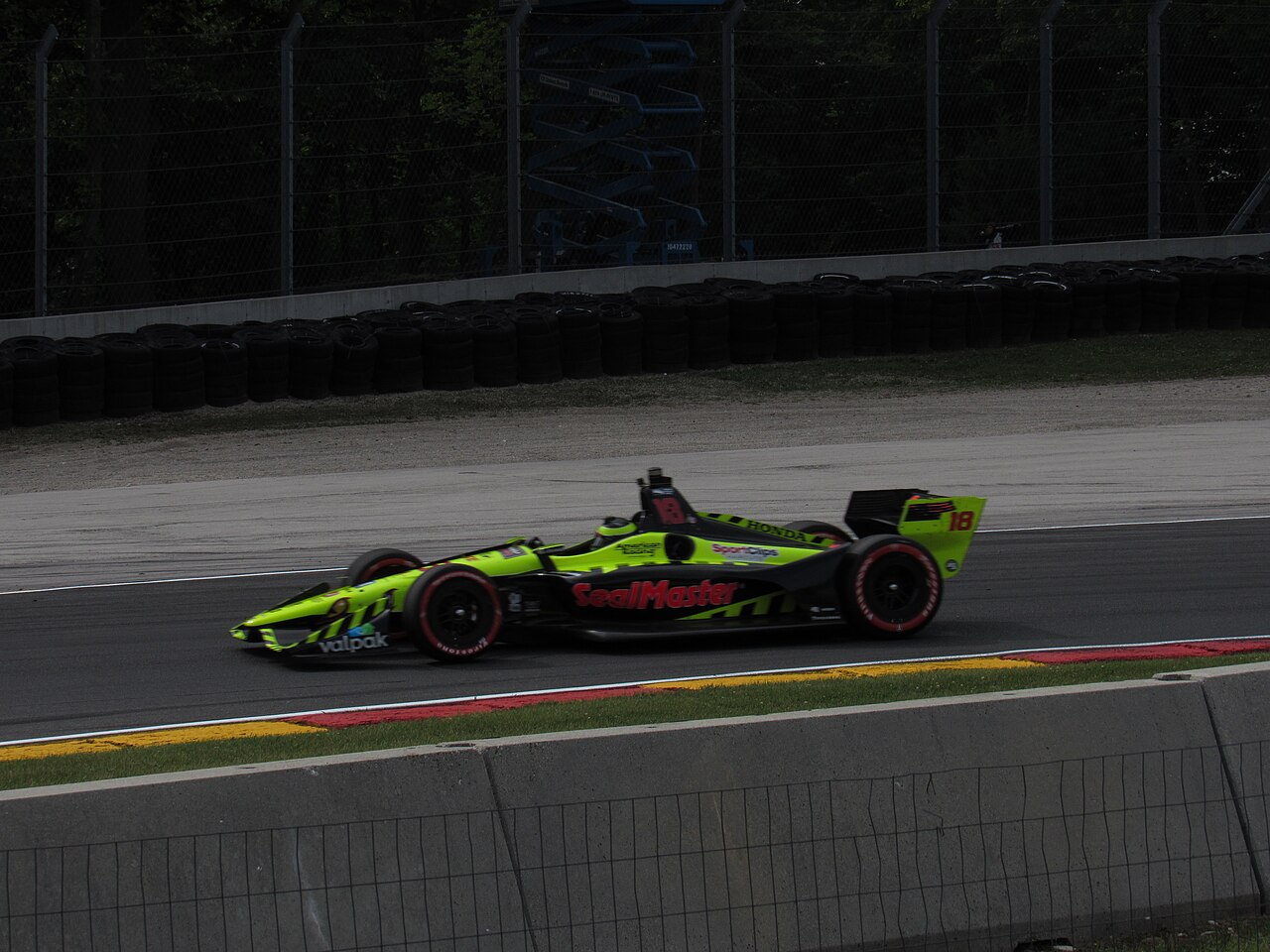


Characteristics and equipment
IndyCar is characterized by a balance between standardized components and team-tunable elements, intended to promote close competition and driver skill. Common technical features include:
- Spec chassis supplied by a single manufacturer to ensure parity.
- Manufacturer-supplied engines from multiple vendors, with teams choosing among approved suppliers while following common regulations.
- Racing on a mixture of track types, requiring versatile car setup and driving styles.
- Emphasis on aerodynamics, mechanical grip and strategy, particularly on fuel and tires.
History and development
The current championship traces its origins to the Indy Racing League (IRL), which began as a distinct series in the 1990s as an alternative to the existing CART-based organizations. The split created competing open-wheel championships for more than a decade. In 2008 the two sides reunited, bringing former Champ Car events and teams into the IndyCar Series. In recent years the series has evolved its equipment and safety standards and has been led commercially under the NTT title sponsorship.
Organization, ownership and governance
The series has been sanctioned and managed through organizations that evolved from the original IRL framework; governance covers technical rules, race officiating and event calendars. Indianapolis Motor Speedway interests were central to the series' formation, and the track and its leadership have remained influential in its direction, including early stewardship by figureheads associated with the venue (IMS connection). The sanctioning organization has been referenced under its IRL heritage (Indy Racing League), and the series' commercial ownership changed hands when a prominent motorsport group led by Roger Penske acquired the championship (Penske).
Competition, culture and significance
The IndyCar Series is known for its close, often wheel-to-wheel racing and its ability to test drivers across different disciplines. For many competitors it serves as a pinnacle for American open-wheel racers, while the Indianapolis 500 draws global attention and historical prestige. Teams range from long-established operations to newer entrants, and the championship plays an important role in North American motorsport culture and the career paths of drivers seeking high-profile success.
Notable aspects and distinctions
Unlike many international single-seater championships, IndyCar mixes oval racing—requiring top speed and slipstream tactics—with technical road and street courses that reward braking and cornering precision. The use of a common chassis helps keep costs more contained than fully bespoke formulas, and the series continues to adapt rules and equipment to improve safety, competition and fan engagement.
Questions and answers
Q: What is the IndyCar Series?
A: The IndyCar Series is the main level of American open wheel racing, also known as the NTT IndyCar Series.
Q: Who founded the current IndyCar Series?
A: The current IndyCar Series was founded by Tony George, the owner of Indianapolis Motor Speedway.
Q: When did the IndyCar Series begin?
A: The IndyCar Series began in 1996, as a competitor to CART known as the Indy Racing League (IRL).
Q: What happened in 2008 to the IndyCar Series?
A: In 2008, the IndyCar Series merged with the Champ Car World Series (formerly CART).
Q: Who continues to sanction the IndyCar Series?
A: The IndyCar Series is still sanctioned by the Indy Racing League, which has now taken the name IndyCar.
Q: Who purchased the IndyCar Series in 2019?
A: Roger Penske purchased the IndyCar Series in 2019.
Q: What is the significance of the IndyCar Series?
A: The IndyCar Series is considered the premier level of American open wheel racing.
Related articles
Author
AlegsaOnline.com IndyCar Series (NTT IndyCar Series) Leandro Alegsa
URL: https://en.alegsaonline.com/art/47250
Sources
- indystar.com : "IndyCar lands title sponsor"
- motorsport.com : "Indy Racing and Northern Light end partnership"
- www5.indycar.com : "Direct Carrier"
- autoworld.com : "IRL Aurora V8"
- sae.org : "Chevy revs for 2002 IRL season"
- miamiherald.com : "Franchitti captures record-tying third IndyCar championship"
- indycar.com : "Night for the fans"