
Imperial units
The Imperial system is a set of British-derived measurement units standardized by an 1824 Act; still used in some places today and distinct in key ways from U.S. customary units and the metric system.
Overview
The Imperial units, often called the Imperial system, are a set of standardized measures for length, area, volume and mass that were formalized in Great Britain in the early 19th century. They were created to rationalize and replace a variety of older English units and were adopted across the British Empire. Although many countries later converted to the metric system, Imperial units remain familiar in everyday language and in a number of practical contexts.
Image gallery
5 Images


Units and structure
The system groups units into families for different kinds of measurement. Common length units include the inch, foot, yard and mile. Areas are frequently expressed in square yards or acres. Volume is handled with distinct liquid measures such as the gallon, pint and fluid ounce, while mass and weight use the ounce, pound and ton, alongside the traditional stone and hundredweight in certain regions.
- Length: inch, foot, yard, mile
- Area: square yard, acre
- Volume: gallon, quart, pint, fluid ounce
- Mass/weight: ounce, pound, stone, hundredweight, ton
History and development
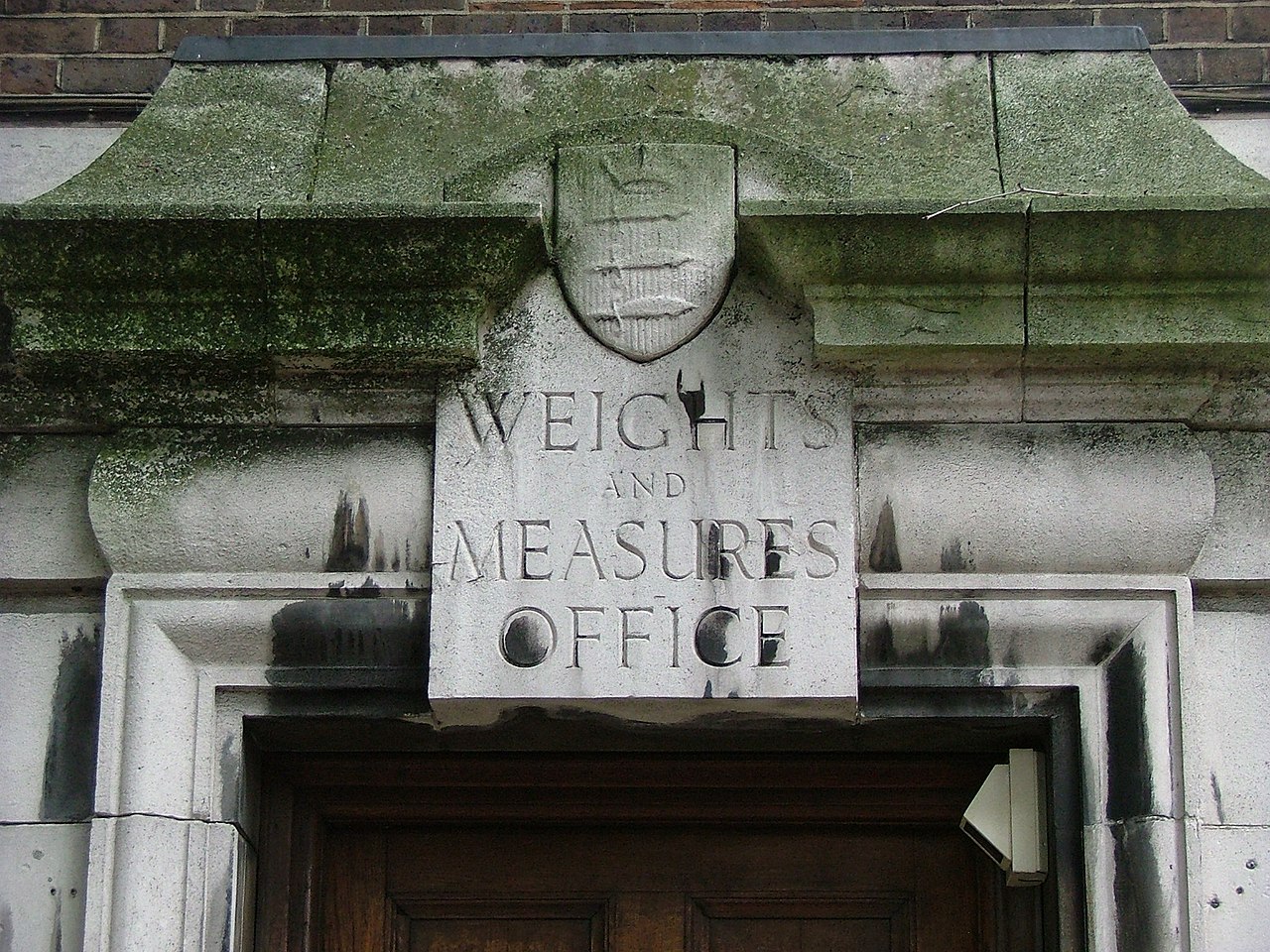
The modern Imperial system traces back to an Act of Parliament passed in 1824 that sought to standardize the many local and historic English measures into a single legal framework. Over the following decades the system was used throughout the British Empire and became the de facto set of measures in many Commonwealth countries. During the 20th century most of those countries moved to the metric system, a process known as metrication, though the pace and extent of change varied by country.
Modern use and notable distinctions
Today Imperial units persist in a number of specific settings. The United Kingdom uses miles for road distances and retains colloquial uses such as describing a person's height in feet and inches and body weight in stones and pounds. Pubs and breweries commonly use pints. Aviation typically measures altitude in feet. Nevertheless, scientific, industrial and international trade measurements overwhelmingly use the metric system.
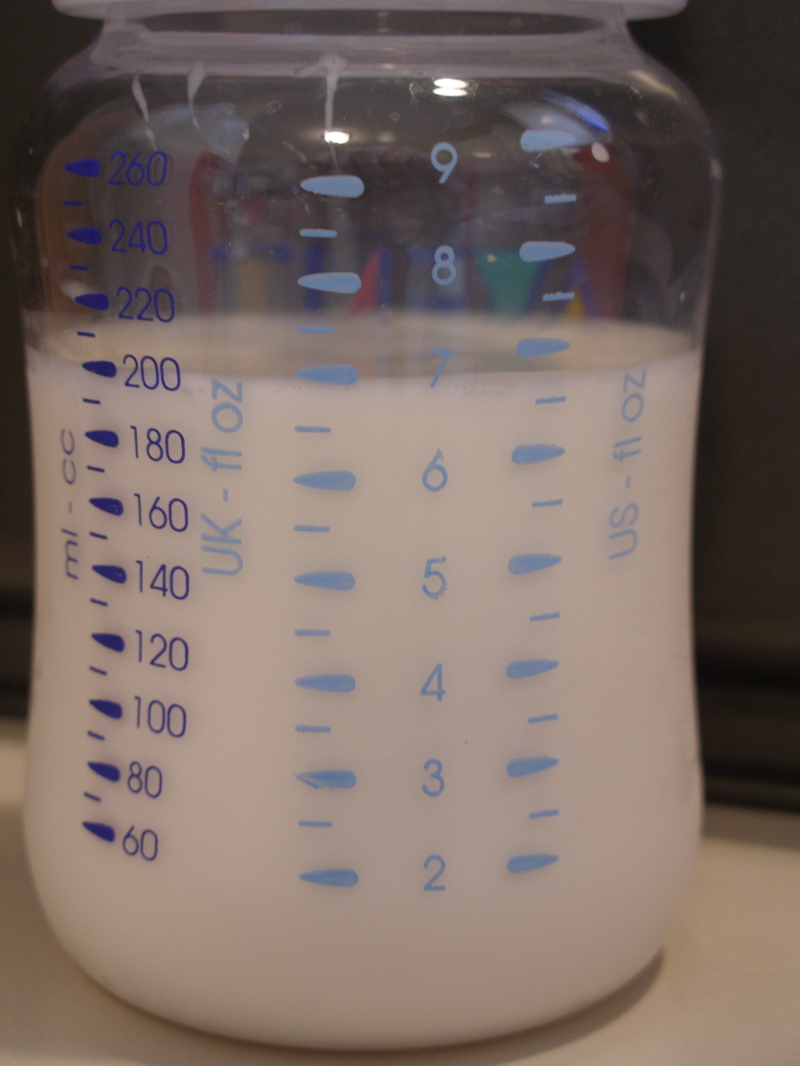
Important differences exist between Imperial units and the related U.S. customary units: for example the Imperial gallon is larger than the U.S. gallon, and the sizes of the pint and fluid ounce differ between the two systems. Some units, such as the yard and the foot, are equivalent in both systems. Because two systems with similar unit names coexist, conversions are a frequent source of confusion when comparing historical records or products from different countries.
Further information
For introductions and legal histories, consult general references on measurements and the 19th-century reforms: measurement overview, the 1824 Act. For information about Commonwealth adoption and later metrication see Commonwealth usage and metrication background. For a comparison with U.S. customary units and specific conversion notes, see differences from U.S. units.
Questions and answers
Q: What are the Imperial units?
A: The Imperial units are a collection of measurement units.
Q: How was the Imperial system created?
A: An Act of Parliament in 1824 created the Imperial system from traditional English units.
Q: When did Commonwealth countries stop using the Imperial system?
A: Commonwealth countries stopped using the Imperial system when they changed to the metric system.
Q: How does the Imperial system compare to the American system?
A: The Imperial system is very similar to the American system but there are some differences.
Q: What is the difference between the Imperial and metric system?
A: The Imperial system and metric system are different measurement systems, with different units of measurement for various quantities.
Q: Why did Commonwealth countries change to the metric system?
A: Commonwealth countries changed to the metric system to ensure consistency with the rest of the world and to improve trade.
Q: Are there any countries still using the Imperial system?
A: Some countries, such as the United States, still commonly use the Imperial system, while others have adopted the metric system.
Related articles
Author
AlegsaOnline.com Imperial units Leandro Alegsa
URL: https://en.alegsaonline.com/art/46893