
Immigration to Canada: policies, history, categories, and impact
An accessible overview of immigration to Canada: policy framework, major categories, historical development, social and economic impacts, and distinctions between temporary and permanent pathways.
Immigration to Canada is the process by which people from other countries move to Canada to live, work, study or seek protection. Canadian immigration is governed by federal legislation and administered by government departments and provincial programs. Key laws that shaped modern practice include the Immigration Act of 1976 and the Immigration and Refugee Protection Act of 2002. For official guidance and forms, see federal immigration resources.
Image gallery
10 Images

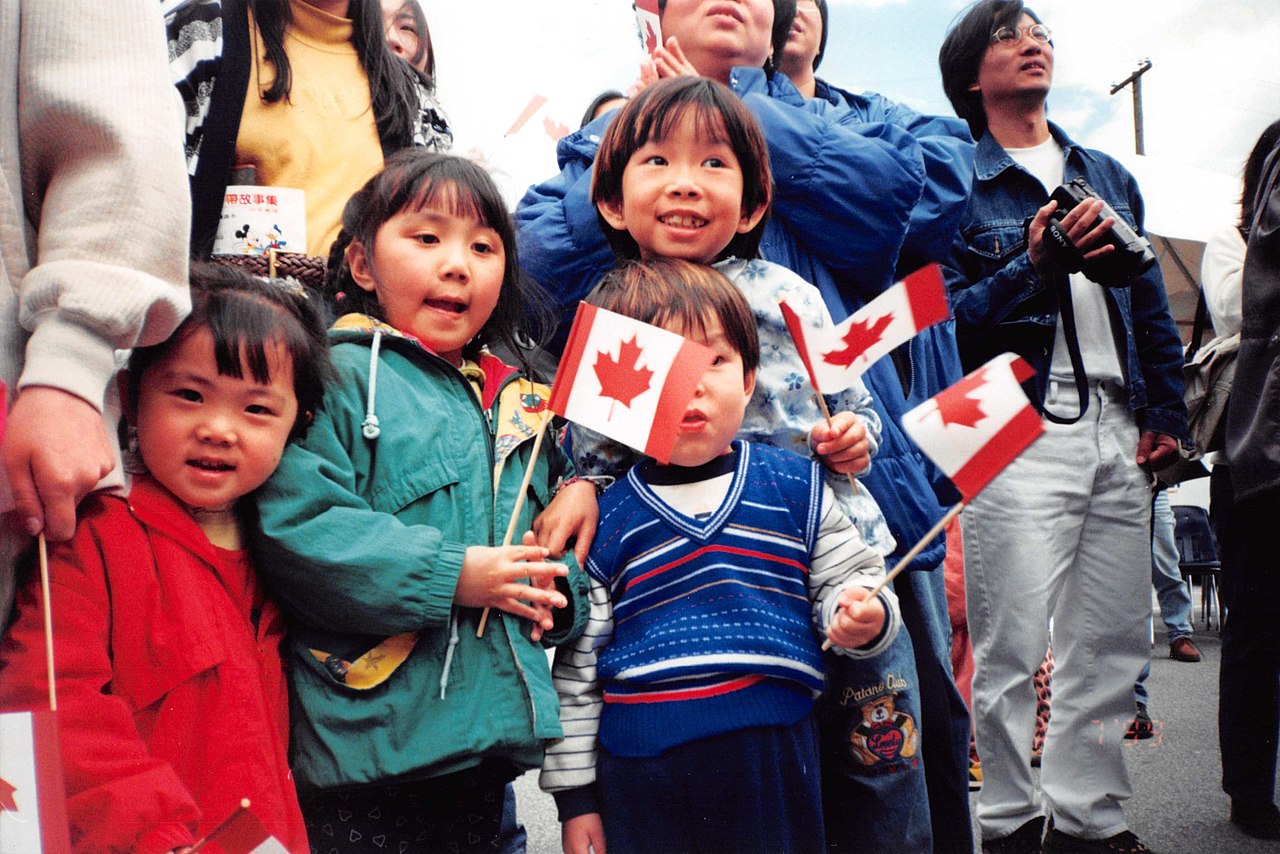



Overview and major categories
Immigration pathways are commonly grouped into permanent and temporary categories. Permanent programs include economic immigration (skilled workers and business immigrants), family sponsorships, and refugee and protected person resettlement. Temporary programs cover study permits, temporary work permits, and visitor visas. Many permanent applications are now managed through points-based or ranking systems, with faster streams for candidates who meet labour market needs.
Policy tools and administration
Federal authorities, primarily Immigration, Refugees and Citizenship Canada, set national policy and process applications, while provinces operate nominee programs to select immigrants for regional labour and demographic needs. Other tools include express entry systems, labour market impact assessments for employers, and integration funding for settlement services and language training.
History and legal development
Canada's immigration policy has evolved from early selective laws to a more skills- and family-oriented system in the late 20th century. The 1976 Act introduced modern criteria, and the 2002 Act consolidated refugee and immigration rules with clearer protections and procedural standards. Over decades, policy responded to economic cycles, demographic pressures, and international humanitarian obligations.
Economic and social importance
Immigration contributes to Canada’s labour force, entrepreneurship, and demographic growth, and supports public services through taxes and consumption. Newcomers also shape cultural diversity and innovation in cities and smaller communities alike. Settlement services, credential recognition, and language supports are central to successful integration.
Notable distinctions and considerations
- Permanent vs temporary: Permanent residents can eventually pursue citizenship; temporary residents have time-limited rights tied to permits.
- Refugee protection: Separate legal routes exist for asylum seekers and resettled refugees, with international legal standards guiding decisions.
- Provincial roles: Provinces use nominee streams to address local labour shortages and demographic goals.
Understanding immigration to Canada requires attention to law, practical application processes, and the supports that enable newcomers to settle. For detailed procedures and updates, consult official resources at federal immigration information.
Questions and answers
Q: What is immigration to Canada?
A: Immigration to Canada is the process by which people from other countries can move to Canada.
Q: What are some laws related to immigration in Canada?
A: Some laws related to immigration in Canada are the Immigration Act 1976, and the Immigration and Refugee Protection Act 2002.
Q: Does Canada allow many people to move there?
A: Yes, Canada allows many people to move there.
Q: Are there high percentages of non-Canadians in Canada?
A: Yes, there are high percentages of non-Canadians in Canada, as a result of Canada's policy to accept many immigrants.
Q: What is the purpose of the Immigration Act 1976?
A: The purpose of the Immigration Act 1976 is to regulate the entry and status of immigrants in Canada, as well as to protect the health and safety of Canadians.
Q: What is the purpose of the Immigration and Refugee Protection Act 2002?
A: The purpose of the Immigration and Refugee Protection Act 2002 is to provide a framework for the admission, processing, and settlement of refugees, as well as to promote the successful integration of newcomers into Canadian society.
Q: How does immigration affect the ethnic makeup of Canada?
A: Immigration affects the ethnic makeup of Canada by increasing the number of non-Canadians and contributing to the diversity of the country.
Author
AlegsaOnline.com Immigration to Canada: policies, history, categories, and impact Leandro Alegsa
URL: https://en.alegsaonline.com/art/46845
Sources
- www40.statcan.gc.ca : www40.statcan.gc.ca/l01/cst01/demo26a-eng.htm