
Imbolc: Gaelic Festival Honoring Brigid and the Coming of Spring
Imbolc is a Gaelic seasonal festival on or about February 1 honoring Brigid. It marks returning light, lambing and household renewal; celebrated with candles, crosses, holy wells and a mix of folk and Christian rites.
Overview
Imbolc is a Gaelic seasonal festival traditionally observed on or around February 1. The name appears in Gaelic languages and is recorded in early Irish sources as Imbolc or Oimelc, terms commonly understood to refer to the lactation or milk of ewes as lambing begins. This agricultural timing made Imbolc a marker of the slow transition from winter toward spring, when signs of new life—first shoots and early flowers—could appear even if snow remained on the ground.
Image gallery
7 Images


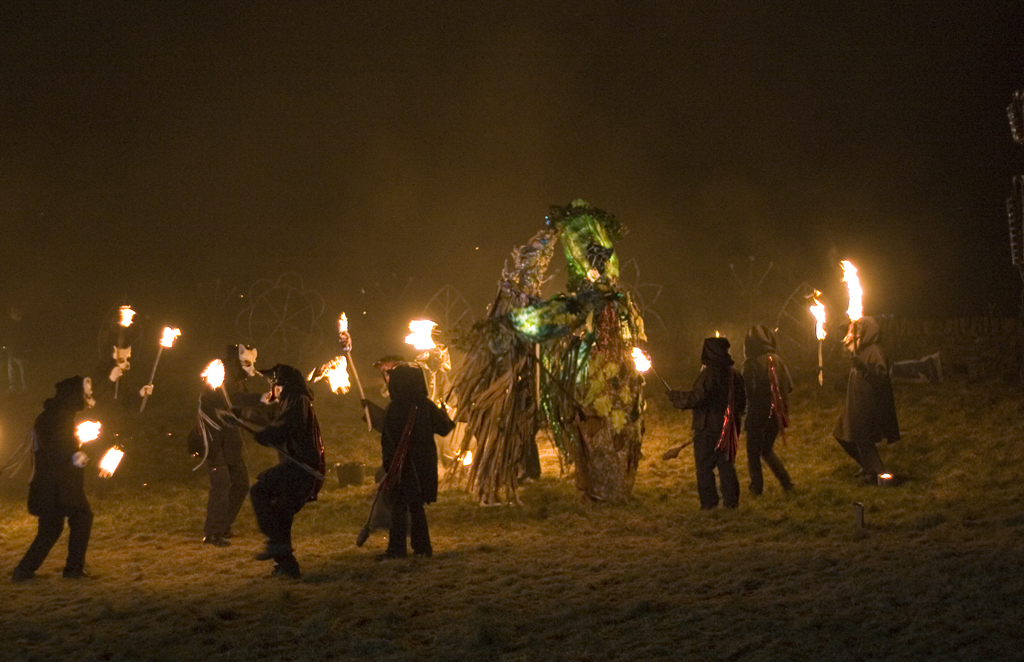

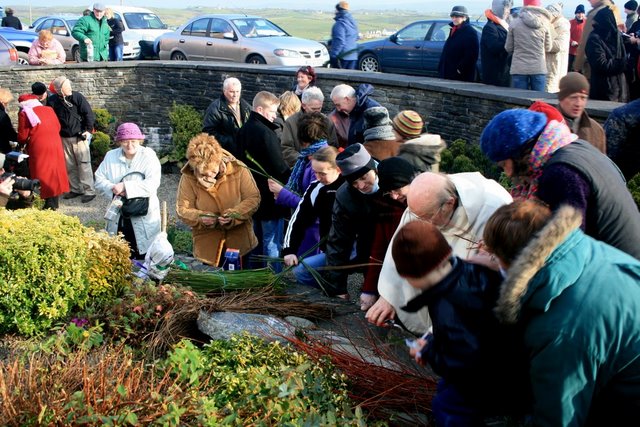
Name, date and calendar place
Historically Imbolc occupied a fixed place in the Gaelic year, roughly midway between the winter solstice and the spring equinox. It is often given the date February 1 in modern calendars and on communal calendars it stands with the other cross-quarter days: Samhain, Beltane and Lughnasadh in outlining seasonal cycles.
Brigid: goddess and saint
The figure most closely associated with Imbolc is Brigid. In pre-Christian lore she appears as a Celtic goddess linked with poetry, smithcraft, healing and domestic arts. With the arrival of Christianity in Gaelic lands a historical or semi-historical St Brigid emerged in hagiography; church practice sometimes reframed Imbolc themes in Christian terms and connected them with Marian and saintly devotion. The interplay of goddess and saintly images shows how religious identities were adapted and layered over time, producing both pagan continuities and Christian forms.
Customs, symbols and ritual practice
Traditional Imbolc observances emphasize light, domestic renewal and protection of livestock. Common practices included the kindling of fires or the lighting of candles to symbolise returning light, cleaning and preparing hearths, visiting sacred springs and wells, and making small devotional objects such as the woven Brigid's cross. Offerings of the season's first milk or food, communal songs and spoken prayers, and the placing of charms in the home for healing and prosperity were also widespread.
Candlemas and Christian adaptation
In many places Imbolc customs were absorbed into or aligned with the church feast of Candlemas on February 2, a liturgical celebration sometimes associated with the Virgin Mary and with blessing of candles. In local practice this produced hybrid events: candlelit processions, blessings of wells, and saint-centered devotions that continued to echo older seasonal and household concerns.
Regional variation and modern observance
Regional diversity is notable. In parts of Ireland and Scotland some communities historically retained pilgrimage and well-visiting customs; elsewhere practice was largely rural and domestic. In the 20th and 21st centuries interest in traditional and reconstructed forms of Celtic spirituality has led to a revival of Imbolc among cultural groups, neopagan communities and folk organizations. Contemporary observance ranges from quiet household rites—making crosses, lighting candles and noting the first Gaelic spring flowers—to public celebrations, educational events and arts projects that use Imbolc as a moment for creative beginnings and community renewal.
Scholarly notes and interpretation
Scholars treat Imbolc as a seasonal festival with both agrarian function and layered meaning: practical markers of livestock cycles and ritual acts to protect the home simultaneously express symbolic themes of purification, light and rebirth. Modern reconstructions vary in historical fidelity; researchers caution against assuming a single unchanging practice, noting instead how customs adapted across centuries and were reframed in different religious contexts.
Further resources
- General festival overview
- On Brigid (myth and cult)
- Celtic mythology context
- Christian saint associations
- Hagiographic sources
- Calendar dating and rituals
- Gaelic language forms
- Agricultural meaning
- Milk and livestock rites
- Seasonal transition to spring
- Regional flora and symbols
- Winter-to-spring customs
- Irish regional practices
- Weather and folk belief
- Candlemas connections
- Songs and oral tradition
- Prayers and devotional texts
- Pagan survivals
- Female figures in the tradition
- Symbolism of light
- Inspiration and the arts
- Healing and household rites
Questions and answers
Q: What is Imbolc?
A: Imbolc is a festival belonging to Brigid, the Celtic goddess who later became famous as a Christian saint. It was traditionally celebrated on February 1st and referred to the lactation of ewes in Gaelic languages.
Q: What does "Oimelc" refer to?
A: Oimelc is one of two Gaelic names for Imbolc which refers to the lactation of ewes that happens when baby lambs are born in spring.
Q: What did the Roman Catholic Church replace Imbolc with?
A: The Roman Catholic Church replaced Imbolc with Candlemas Day on February 2nd, a day that now belongs to the Virgin Mary.
Q: How do people celebrate Candlemas Day?
A: People may have ceremonies or processions by candlelight - walking together in the dark, with only light coming from candles they carry. They may also sing songs to Brigid, say poems or prayers to her.
Q: Who is Brigid celebrated as?
A: In both Pagan and Christian celebrations, Brigid is celebrated as a powerful female figure who brings light, inspiration and healing to the world.
Q: Where are Gaelic languages spoken?
A: Gaelic languages are those spoken in countries like Ireland and Scotland.
Related articles
Author
AlegsaOnline.com Imbolc: Gaelic Festival Honoring Brigid and the Coming of Spring Leandro Alegsa
URL: https://en.alegsaonline.com/art/46828