
Ilulissat — Greenlandic town beside the Icefjord
Ilulissat is a coastal town in western Greenland known for the Ilulissat Icefjord and nearby Jakobshavn Glacier. It is a center for Arctic tourism, Inuit culture, and scientific interest in glaciology and climate.
Overview
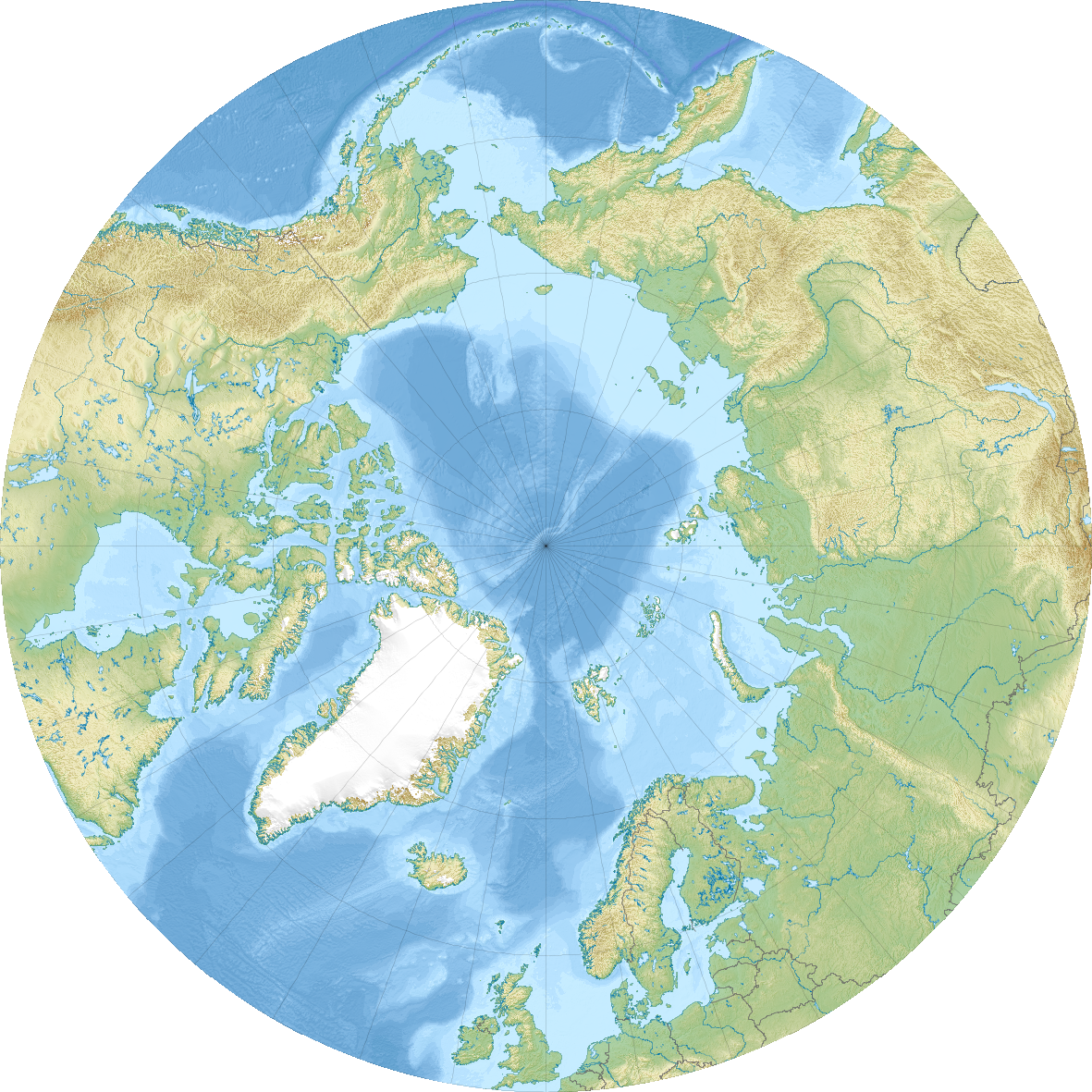
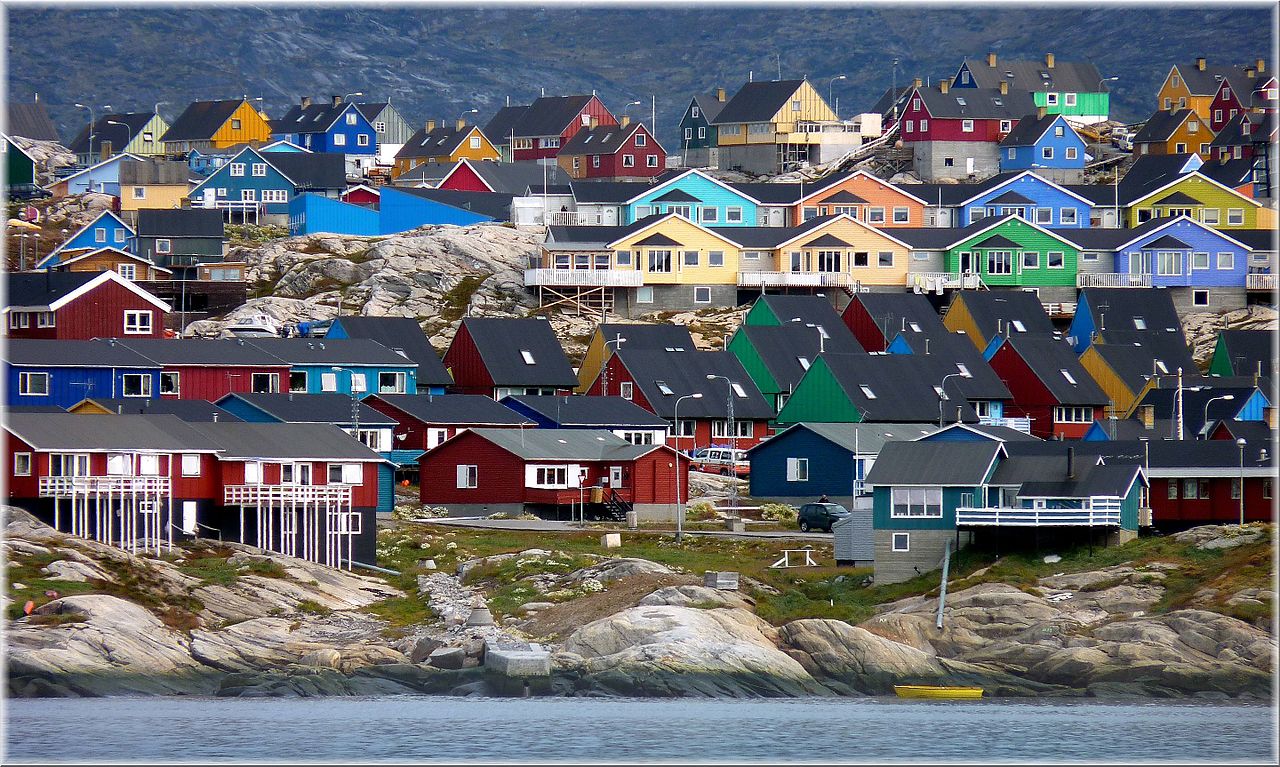
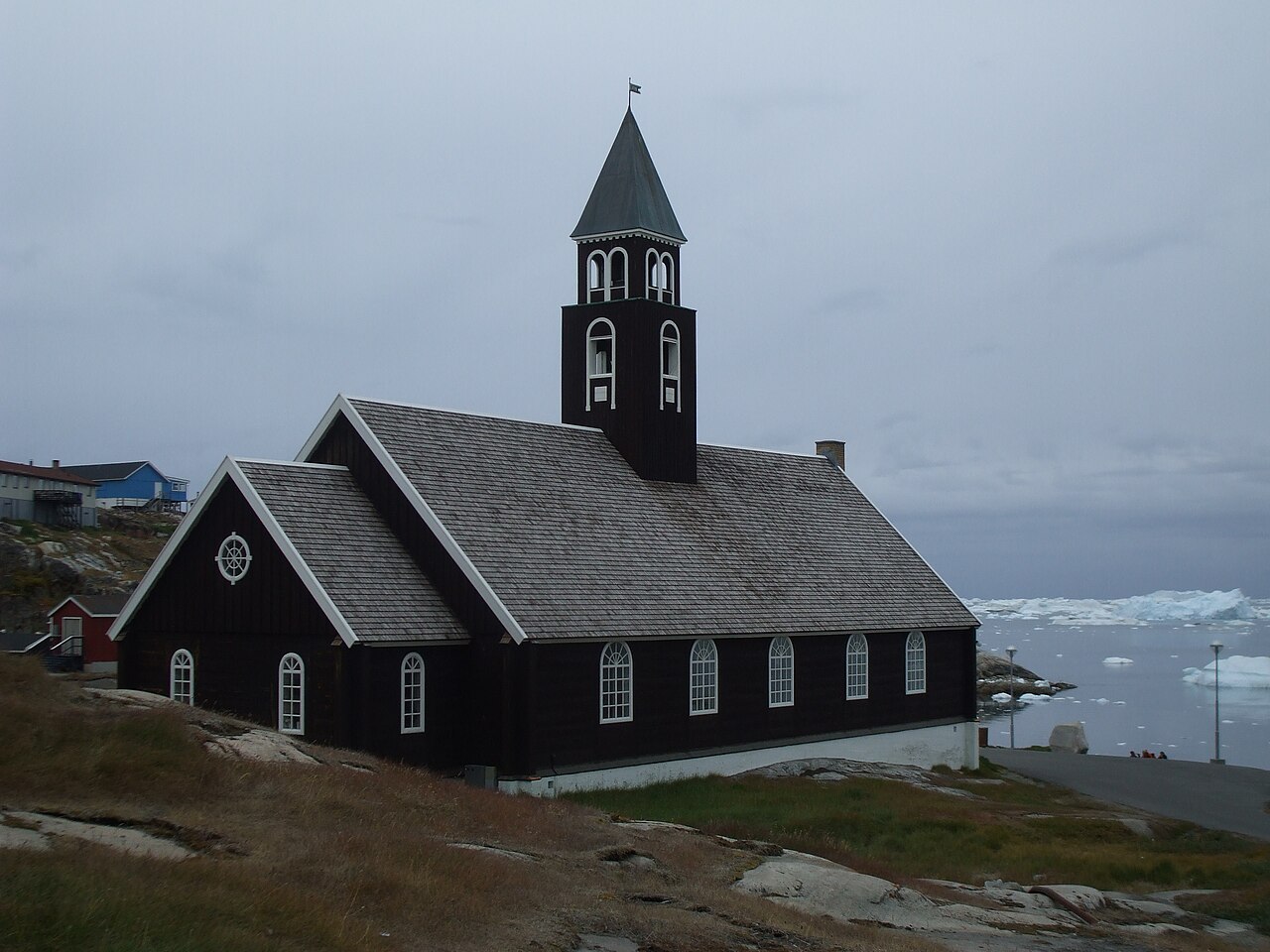
Ilulissat is a small but prominent town on Greenland's west coast, commonly cited as the country's third-largest settlement with roughly 4,000 residents. It sits at high Arctic latitude, near 69° north, and is located about 200 kilometres north of the Arctic Circle. The place is known by both its Greenlandic name, Ilulissat (meaning "the icebergs"), and its Danish name, Jakobshavn. More detailed population and administrative information can be found through local sources such as population and administrative data.
Image gallery
10 Images


Geography and natural environment
Ilulissat sits at the head of a deep bay where the fast-moving Sermeq Kujalleq (Jakobshavn Glacier) calves enormous icebergs into Disko Bay. The glacier and the downstream Ilulissat Icefjord form a dramatic landscape of floating ice that moves out toward Baffin Bay. This dynamic glacial system is of global scientific interest because of its size, rate of ice production and sensitivity to climate variation. The Icefjord and surrounding sea and fjord ice shape local weather, maritime conditions and seasonal activities.
History and culture
The area has a long history of Inuit habitation and later contact with European explorers and traders. Ilulissat became an established town under Danish administration, and it is also the birthplace of the polar explorer Knud Rasmussen. His childhood home is preserved as a museum and cultural site that interprets his life and Arctic exploration; visitors can learn more at the Knud Rasmussen Museum. Local culture today blends traditional hunting and fishing practices with contemporary Greenlandic language, art and community life.
Economy, tourism and access
Tourism is now the town's primary economic driver. Visitors come to view iceberg-filled channels by boat, hike along coastal trails, and experience seasonal phenomena such as the midnight sun in summer and northern lights in winter. Adventure activities commonly offered include guided glacier walks, boat safaris, and dog-sled or snowmobile excursions when conditions permit. Ilulissat is served by an airport that links it to other Greenlandic communities and international connections; overland road travel to other towns is essentially non-existent, so sea and air are the main transport modes.
Conservation and notable facts
The Ilulissat Icefjord was inscribed on the UNESCO World Heritage List because it exemplifies the interaction between an active ice sheet and the ocean and because of its outstanding glaciological value. The area draws scientists studying ice dynamics and climate while also supporting a tourism economy dependent on the aesthetic and ecological value of the ice. Both the glacier's behaviour and the health of local marine ecosystems are subjects of ongoing monitoring and research.
Visiting and practical notes
Visitors to Ilulissat should plan for Arctic conditions: weather can change rapidly, temperatures are cold for much of the year, and services are more limited than in large urban centres. Local guides and operators provide safety briefings and equipment for excursions. For maps, travel advisories, and visitor information about Ilulissat and the wider region consult regional travel and government resources linked here: regional data, latitude and maps, and general Arctic context at Arctic Circle resources.
Ilulissat remains one of Greenland's most visited towns because of its accessible, monumental ice landscapes and the cultural ties of its residents to Arctic life. Whether approached from scientific, cultural or touristic angles, the town offers a compact window onto contemporary Arctic realities and the natural processes that shape them.
Questions and answers
Q: What is Ilulissat?
A: Ilulissat is the third largest city in Greenland, located about halfway up the country's west coast, near the beautiful Ilulissat Ice Fjord.
Q: What is the population of Ilulissat?
A: The population of Ilulissat is 4,000.
Q: Where is Ilulissat located?
A: Ilulissat is located about 200 kilometers north of the Arctic Circle, at 69 degrees north latitude.
Q: What is the meaning of the name Ilulissat?
A: The direct translation of Ilulissat is 'The Icebergs', in the Greenlandic language.
Q: What is the main industry in Ilulissat?
A: Tourism is now the main industry in Ilulissat.
Q: Who was Knud Rasmussen and why is he important to Ilulissat?
A: Knud Rasmussen was a great polar explorer and Ilulissat was his birthplace. His childhood home in the center of the town is now a museum dedicated to him.
Q: What is the Danish name for Ilulissat?
A: The Danish name for Ilulissat is Jakobshavn, or Jacob's Harbour.
Related articles
Author
AlegsaOnline.com Ilulissat — Greenlandic town beside the Icefjord Leandro Alegsa
URL: https://en.alegsaonline.com/art/46771