
Antimony trioxide (antimony(III) oxide)
Antimony trioxide (Sb2O3) is the most common oxide of antimony. A white crystalline powder, it occurs in nature, is made from antimony ores, and is used as a flame‑retardant synergist, opacifier and catalyst.
Antimony trioxide, commonly called antimony(III) oxide and written Sb2O3, is the principal oxide of the element antimony. It contains antimony in the +3 oxidation state together with oxide anions. In nature it occurs as the minerals senarmontite and valentinite and is produced industrially by roasting antimony sulfide ores or by oxidation of metallic antimony. As a commercially important chemical compound, it is supplied in a fine white to off‑white powder that may be further purified by sublimation or other separation methods.
Image gallery
6 Images


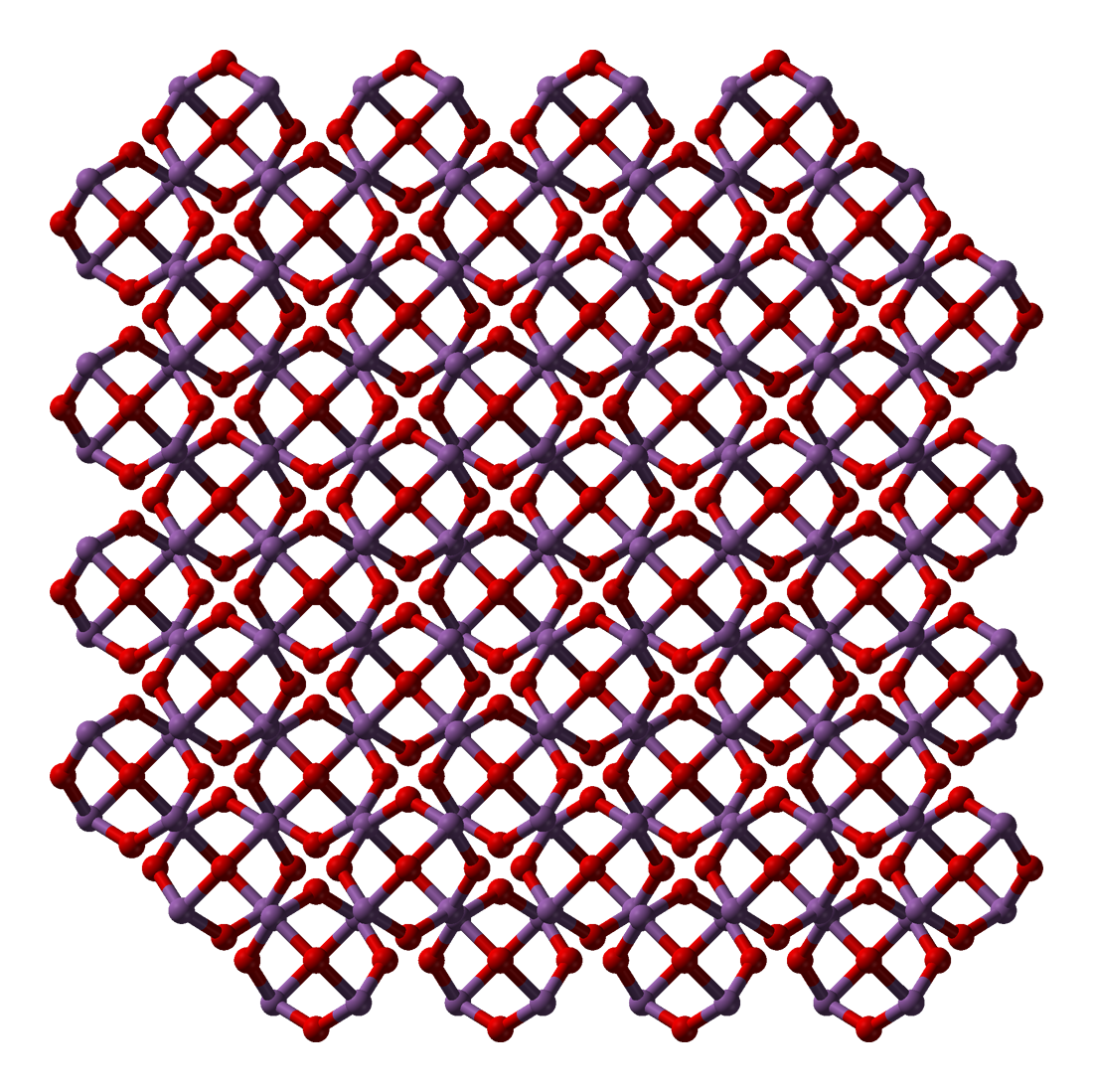


Physical and chemical characteristics
Sb2O3 exists in more than one crystalline form (commonly described by mineral names) and shows weakly amphoteric behaviour: it is sparingly soluble in water but dissolves in strong acids and alkalis to give a range of antimony(III) species. Under strongly oxidizing conditions it can be converted to higher oxides of antimony. The material is used where a stable, low‑solubility oxide is required and is compatible with many polymer and glass matrices.
Production and occurrence
Commercial production typically starts from stibnite (antimony sulfide) which is roasted to yield the oxide and sulfur dioxide; metallic antimony can also be oxidized to produce Sb2O3. Natural occurrences and ore processing are the usual sources for industrial supplies. For mineral processing and refining context see descriptions of stibnite and ore treatment methods.
Uses and applications
- Flame retardant synergist: Sb2O3 is widely added with halogenated flame retardants to plastics, textiles and electronic components to enhance smoke suppression and flame‑retardant performance.
- Glass and ceramics: it acts as an opacifier and fining agent to remove bubbles and adjust optical properties in glass and glazes.
- Catalysis and polymers: antimony compounds serve as catalysts in some polymerizations and chemical syntheses, notably in the production of certain polyesters.
- Specialty uses: laboratory reagents, pigments and intermediates in producing other antimony chemicals.
Health, safety and environmental notes
Antimony trioxide is hazardous if inhaled or ingested and can irritate the eyes, skin and respiratory tract. Occupational exposure is controlled by dust suppression, ventilation and personal protective equipment. International authorities have examined its carcinogenic potential and it is handled with caution in regulatory frameworks; consult the relevant classification and material safety resources for up‑to‑date guidance. Environmental release should be minimized and waste managed according to local regulations.
For authoritative technical data and further chemical context see overviews of oxide chemistry and industrial chemical references. Practical distinctions include its difference from higher antimony oxides and from elemental antimony in behaviour, reactivity and applications.
Questions and answers
Q: What is antimony trioxide?
A: Antimony trioxide is a chemical compound with the chemical formula Sb2O3.
Q: What is the chemical formula for antimony trioxide?
A: The chemical formula for antimony trioxide is Sb2O3.
Q: What kind of ions does antimony trioxide have in it?
A: Antimony trioxide has antimony and oxide ions in it.
Q: What is the oxidation state of antimony in antimony trioxide?
A: Antimony is in its +3 oxidation state in antimony trioxide.
Q: What are the alternative names for antimony trioxide?
A: Antimony trioxide is also known as antimony(III) oxide.
Q: Is antimony trioxide a natural or synthetic compound?
A: Antimony trioxide can be found in nature, but it is usually synthesized for commercial purposes.
Q: What is the role of antimony in antimony trioxide?
A: Antimony is a key component of antimony trioxide, contributing to its chemical properties and behavior.
Related articles
Author
AlegsaOnline.com Antimony trioxide (antimony(III) oxide) Leandro Alegsa
URL: https://en.alegsaonline.com/art/4668