
Igloo: traditional snow shelter of the Arctic
An igloo is a dome-shaped snow structure built by Arctic peoples, notably Inuit, used as temporary or seasonal shelter. This article explains construction, uses, history, and distinctions.
Overview
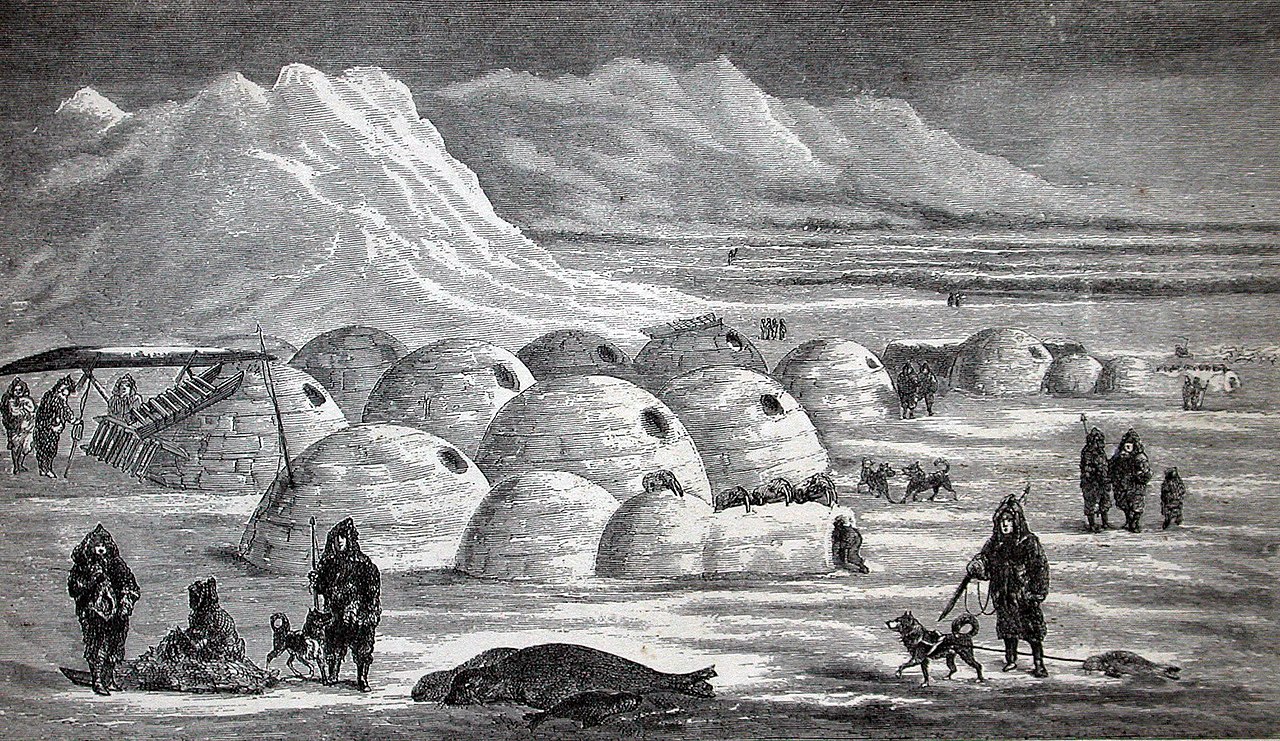
An igloo is a temporary or seasonal shelter made from blocks of compacted snow, commonly shaped as a dome. Designed for cold, windy environments, igloos exploit the insulating properties of snow to retain heat and protect inhabitants from Arctic conditions during winter.
Image gallery
10 Images







Construction and materials
Building an igloo begins with selecting dense, wind-packed snow that can be cut into firm blocks. Blocks are carved with knives or saws and arranged in a spiral, with each course slightly tilted inward so the dome closes at the top. A short, low entrance tunnel helps trap cold air below the living area and reduce drafts. Builders often leave a small ventilation hole to prevent carbon dioxide buildup.
Interior and performance
Inside an igloo, temperatures can be substantially warmer than the outside air because snow contains trapped air pockets that slow heat loss. Floors are often raised on a platform of snow or lined with skins and furs to provide insulation from the cold ground. Cooking stoves or body heat further warm the interior, while careful venting prevents condensation and ensures breathable air.
Types and uses
- Small hunting shelters: quick to build and used by hunters during expeditions.
- Family or communal igloos: larger, more carefully constructed structures that can house several people and storage.
- Emergency shelters: improvised versions such as snow caves and quinzhees provide protection when materials or time are limited.
History and cultural notes
Igloos are most strongly associated with the Inuit people of the Arctic, including regions of northern Canada and Greenland. The term "Inuit" is preferred in many communities over older labels. Skilled builders could construct larger domes that served as seasonal gathering places; accounts describe spaces big enough for feasts and even dancing on rare occasions.
Modern relevance and distinctions
Today igloos are less common as permanent homes but remain important culturally and practically. They are taught in survival training and celebrated in architecture and tourism. Important distinctions include the difference between a block-built igloo and a snow cave or quinzhee, which are hollowed-out forms made from piled snow rather than cut blocks. Respect for traditional knowledge, often passed down by Inuit elders, is central to understanding and preserving igloo-building techniques.
For further reading and visual guides, see resources that describe step-by-step construction and safety considerations for using snow shelters in polar and subpolar environments (seasonal context, shelter design).
Questions and answers
Q: What is an igloo?
A: An igloo is a shelter made of blocks of snow placed on top of each other.
Q: What shape is an igloo?
A: An igloo is often in the shape of a dome, like half of a hollow ball.
Q: Who used igloos as temporary shelters?
A: Hunters used igloos as temporary shelters when they were away from their regular homes.
Q: Where were igloos most often built?
A: Igloos were most often built in places where a lot of snow covers the land for weeks or months at a time, such as the far north of Canada and Greenland.
Q: Who typically built igloos?
A: Native Inuit people, sometimes called Eskimos, typically built igloos.
Q: Were larger igloos built as techniques improved?
A: Yes, as people learned to build them better, sometimes they would build larger igloos that would last longer and hold more people, even for dancing.
Q: What was the purpose of igloos?
A: The purpose of igloos was to provide a shelter for people to stay warm and dry, especially during winter in places where a lot of snow covers the land for weeks or months at a time.
Related articles
Author
AlegsaOnline.com Igloo: traditional snow shelter of the Arctic Leandro Alegsa
URL: https://en.alegsaonline.com/art/46597