
IEEE 1394 (FireWire): A high-speed serial bus standard
IEEE 1394, commonly known as FireWire, is a standardized high-speed serial bus for real-time and bulk data transfer between computers and peripherals, widely used for video, storage and audio devices.
Overview
IEEE 1394 is a family of standards that define a high-performance serial bus used to move digital information between devices. The suite is often referred to by several trade names including FireWire (Apple), i.LINK (Sony) and Lynx. As an interface it supports both peer-to-peer and host-based topologies and was designed to carry continuous media streams as well as packetized data. For an official description see the standards documentation and introductory material on the serial bus concept.
Image gallery
8 Images




Technical characteristics
IEEE 1394 provides multiple transfer modes to suit different needs:
- Isochronous transfer — guaranteed bandwidth for steady audio/video streaming and low latency.
- Asynchronous transfer — reliable packet delivery for files and commands.
- Peer-to-peer communication — devices can initiate transfers without a host controller, which differs from traditional host-centric interfaces.
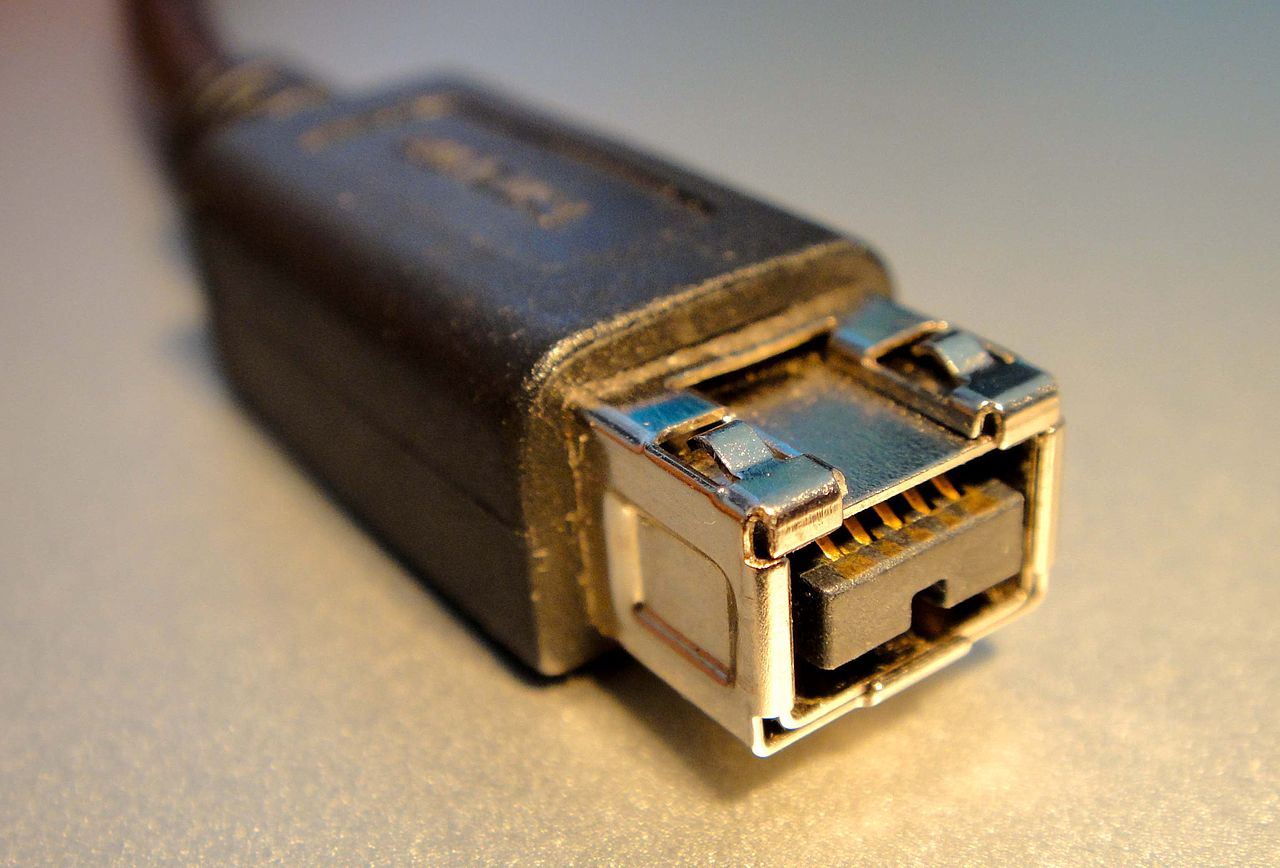
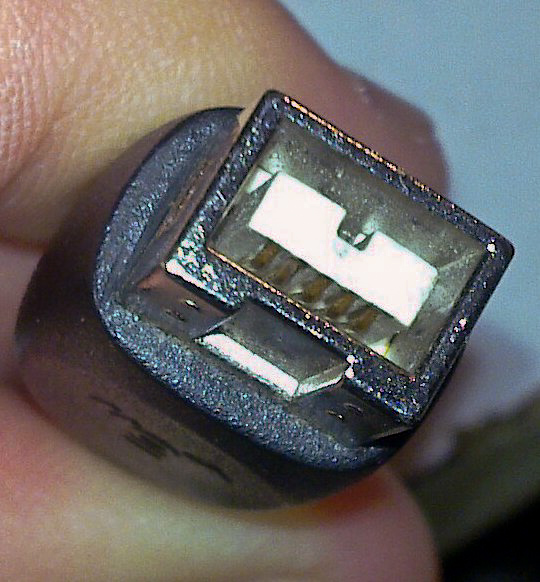
Implementations have supported a range of link speeds: early revisions focused on lower hundreds of megabits per second for digital video, while later revisions increased throughput substantially. The bus supports a variety of connector pinouts; for instance, some connectors provide power to peripherals while smaller variants omit power pins. More technical detail on data handling and transport is available at data transfer notes.
History and development
The IEEE 1394 standards were developed during the 1990s to meet growing needs for real-time digital video and multimedia transport. Work by industry contributors produced initial specifications that were widely adopted in consumer and professional video equipment. Apple popularized the FireWire name and many consumer devices used the technology through the late 1990s and early 2000s. Revisions and extensions refined signaling, connector types and achievable speeds to keep pace with higher-bandwidth applications.
Uses and examples
Common applications for IEEE 1394 included connecting a computer to external storage, digital video capture from a camcorder, and audio interfaces for real-time, multichannel recording. The architecture and its deterministic streaming made it useful in embedded contexts such as automotive and avionics subsystems, industrial devices, and professional audio/video gear. Typical examples include external hard drives, DV tape camcorders and multitrack recording systems.
Comparison and legacy
IEEE 1394 was often compared to USB and SCSI interfaces. In many consumer multimedia applications it supplanted older parallel interfaces because it was easier to implement and cable. For some use cases it offered advantages over USB at the time, particularly for continuous, low-latency streams and true peer-to-peer transfers. Readers can review contrasts with older interfaces such as SCSI and learn how device makers adopted IEEE 1394 support for a wide range of peripherals.
Over time, the role of IEEE 1394 in consumer devices diminished as USB standards advanced and newer high-speed links (including Thunderbolt and PCI-based solutions) became common. Nevertheless, IEEE 1394 remains important historically and is still used in some professional and industrial applications where its specific streaming and peer-to-peer characteristics are advantageous.
Questions and answers
Q: What is IEEE 1394?
A: IEEE 1394 is the name for a set of standards that specify a serial bus which can be used to transfer information.
Q: What are some of the other names for IEEE 1394?
A: Other names for IEEE 1394 include Firewire, i.Link, and Lynx.
Q: What is the purpose of IEEE 1394?
A: The standard is often used to connect a computer to an external device, like a hard drive or digital camcorder. It also has uses to transfer data in cars and airplanes.
Q: How does IEEE 1394 compare to USB?
A: It is similar to the contemporary USB.
Q: What did Firewire replace?
A: Firewire replaced the earlier SCSI for many applications.
Q: Why is making a device understand Firewire easier than having it understand SCSI?
A: Making a device understand Firewire is easier than having it understand SCSI because handling Firewire cables is also much easier than SCSI cabling.
Q: What are some advantages of using Firewire instead of SCSI?
A: Some advantages of using Firewire instead of SCSI include easier handling of cables and easier device understanding.
Related articles
Author
AlegsaOnline.com IEEE 1394 (FireWire): A high-speed serial bus standard Leandro Alegsa
URL: https://en.alegsaonline.com/art/46550
Sources
- darkreading.com : is a practical attempt to hack windows using firewire vulnerabilities
- lkml.org : LKML: Andi Kleen: [ANNOUNCE] firescope for i386/x86-64 released
- suse.de : Index of /~bk/firewire