
Idomeneo: Mozart's Early Opera seria and Its Significance
An encyclopedic overview of Mozart's Idomeneo: origins, characters, musical features, premiere, and its place among Mozart's operas and the opera seria tradition.
Overview
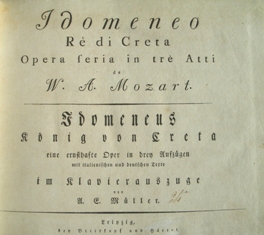
Idomeneo is an opera seria composed by Wolfgang Amadeus Mozart. The work sets an Italian libretto in Italian, prepared by Giambattista Varesco and adapted from an original French text. Commissioned in 1780 by the Elector of Bavaria for a court carnival, it received its first performance in Munich on 29 January 1781. Mozart was 24 at the time, and the score marks his movement into mature dramatic writing.
Image gallery
6 Images



Plot and principal characters
The drama draws on themes common to classical subjects, with action and moral dilemmas reminiscent of stories from Ancient Greece and Rome. Central figures include Idomeneo, King of Crete; his son Idamante; Ilia, a Trojan princess; Elettra (Electra), whose rivalries intensify the plot; and Arbace, a confidant. The basic premise involves a vow to the sea god, the unintended consequences of that pledge, and a resolution that weighs personal duty against public welfare.
Music and structure
Idomeneo follows the formal patterns of opera seria but also integrates French operatic elements such as choruses, marches and ballets. Mozart uses traditional accompanied recitatives and lyrical arias while expanding orchestral color and ensemble writing. Notable features are vivid orchestral passages for dramatic moments (including an evocative sea or storm scene), frequent use of chorus to represent public or divine forces, and moments of ensemble that foreshadow Mozart's later integration of character-driven ensembles in works that blend comic and serious elements, unlike pure examples such as Don Giovanni or the Singspiel tradition of The Magic Flute.
History, influences and reception
The libretto by Varesco, adapted from a French source, and the overall dramatic plan show the influence of Christoph Willibald Gluck and the French operatic tradition. Contemporary audiences and patrons praised the score's dramatic coherence and orchestral imagination, and later generations have regarded Idomeneo as the first of Mozart's fully realized serious operas. The work has been revised and staged in different versions over time and remains important for understanding Mozart's artistic development between his early Italian operas and his later masterpieces.
Legacy and performance practice
Idomeneo occupies an important place in the operatic repertoire as both a period piece and a living work. Modern productions often make editorial choices about cuts, orchestration and language, reflecting changing tastes and scholarly research. The opera is studied for its synthesis of Italian vocal tradition and French dramatic resources, and for the ways it anticipates Mozart's growing emphasis on ensemble and psychological nuance.
Further reading and resources
- Opera seria: genre overview
- Wolfgang Amadeus Mozart: composer biography
- Libretto and text sources
- Italian language in 18th-century opera
- French source plays and their adaptations
- Chronology: 1780 commissions
- Elector of Bavaria: role as patron
- Bavarian court musical life
- Court carnival and festival contexts
- Munich: premiere venue and history
- Premiere date and contemporary reviews
- Classical themes in operatic drama
- Roman and Greek influences on libretti
- Don Giovanni: contrast in genre
- The Magic Flute and Singspiel
- Recitatives: accompanied and secco
- Arias and their dramatic functions
Questions and answers
Q: Who wrote the music for Idomeneo?
A: Wolfgang Amadeus Mozart wrote the music for Idomeneo.
Q: In what language is the libretto for Idomeneo written?
A: The libretto for Idomeneo is written in Italian.
Q: Who wrote the libretto for Idomeneo?
A: Giambattista Varesco is the person who wrote the libretto for Idomeneo.
Q: What was the inspiration for the libretto of Idomeneo?
A: Antoine Danchet's French text was the inspiration for the libretto of Idomeneo.
Q: When was Idomeneo first performed?
A: Idomeneo was first performed in Munich on 29 January 1781.
Q: What type of opera is Idomeneo?
A: Idomeneo is an opera seria, which means it is a serious opera.
Q: Who requested Mozart and Varesco to write an opera for a court carnival?
A: The Elector of Bavaria requested Mozart and Varesco to write an opera for a court carnival.
Q: What did Mozart draw inspiration from for the choruses, marches, and ballets in Idomeneo?
A: Mozart drew inspiration from French opera tradition for the choruses, marches, and ballets in Idomeneo.
Q: How old was Mozart when he wrote Idomeneo?
A: Mozart was only 24 years old when he wrote Idomeneo.
Related articles
Author
AlegsaOnline.com Idomeneo: Mozart's Early Opera seria and Its Significance Leandro Alegsa
URL: https://en.alegsaonline.com/art/46542