
Anti-globalization movement: origins, aims, tactics, and distinctions
Overview of the anti-globalization (alter-globalization/global justice) movement: its concerns, history, methods, diversity, critiques and contemporary relevance.
The anti-globalization movement is a broad and loosely connected set of activists, organizations and public intellectuals who criticize particular forms of global integration. Participants generally do not oppose all forms of cross-border exchange; instead many object to what they describe as a neoliberal model of globalization that emphasizes corporate power, deregulation and trade liberalization at the expense of social welfare, environmental protection and democratic oversight. To signal a constructive orientation, many involved prefer terms such as the global justice movement, alter-globalization or the movement of movements.
Image gallery
9 Images





Key concerns and components
Although the movement is heterogeneous and lacks a single program, recurring themes include:
- Opposition to the influence of large corporations in policy making and international governance, and advocacy for greater corporate accountability.
- Criticism of trade regimes and policies perceived to privilege investor protections and market access over public goods.
- Challenges to specific trade agreements that are seen as limiting domestic policy space for labor, health, environment and development.
- Concerns about environmental harm and climate justice, frequently invoking environmental protection as central to alternative proposals.
- Defense of social and economic rights, including human rights and labor rights for workers in both industrialized and developing countries.
- Defence of national and local decision-making against perceived erosion of national sovereignty by transnational institutions or investor-state mechanisms.
Origins and historical development
Networks and campaigns associated with the anti-globalization label consolidated in the late twentieth century as international economic integration and multilateral institutions expanded. Scholars and participants cite a series of transnational encounters that linked labor unions, environmental groups, development advocates and human-rights organizations. The period beginning in the 1980s and 1990s saw intensified debates about trade liberalization, financial rules and corporate governance; activists organized protests, forums and alternative meetings in response to those changes. See discussions of this trajectory in work that treats the phenomenon as a social movement emerging from those globalizing dynamics and from shifts in communications and travel that enabled cross-border coordination. The late twentieth-century context remains important for understanding the movement's origins and vocabulary, including debates about policy alternatives and institutional reform (late twentieth century).
Tactics and strategies
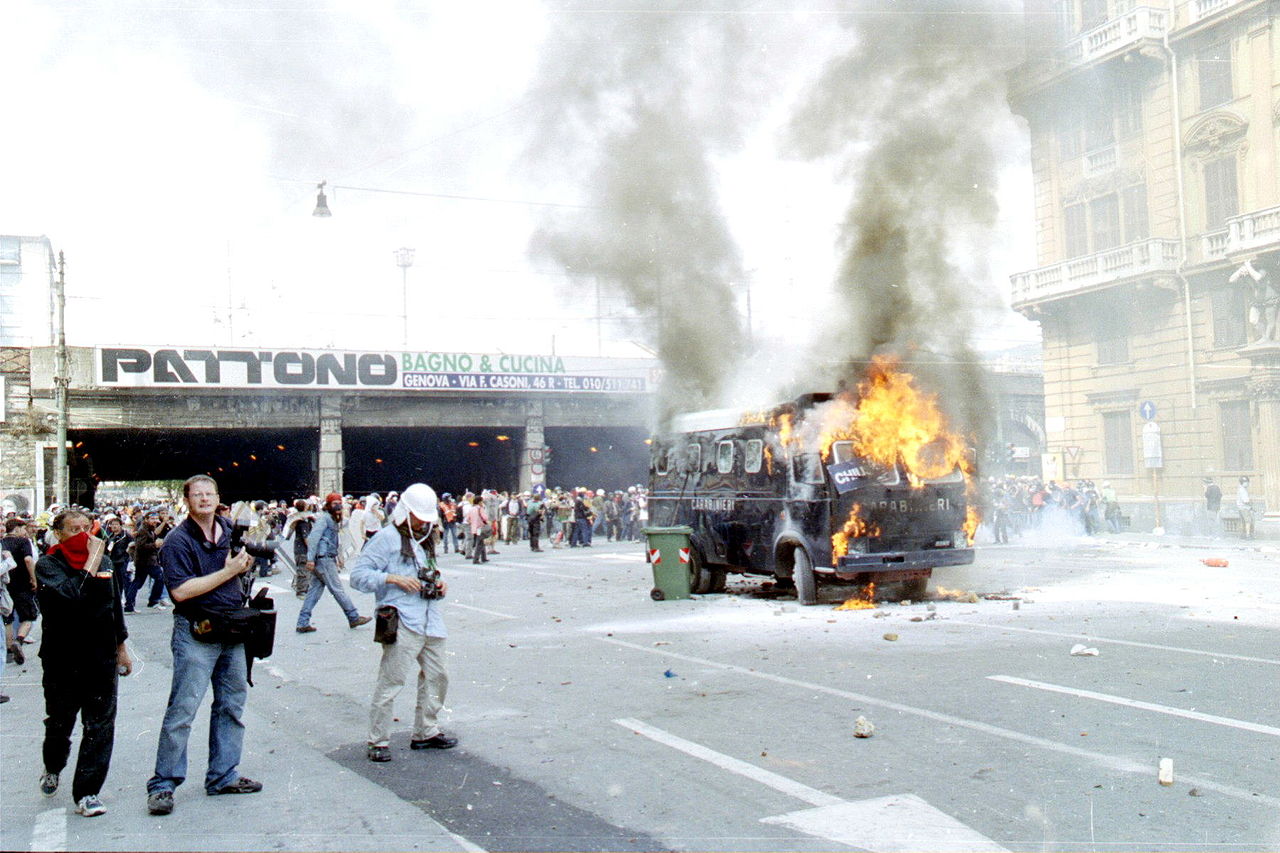
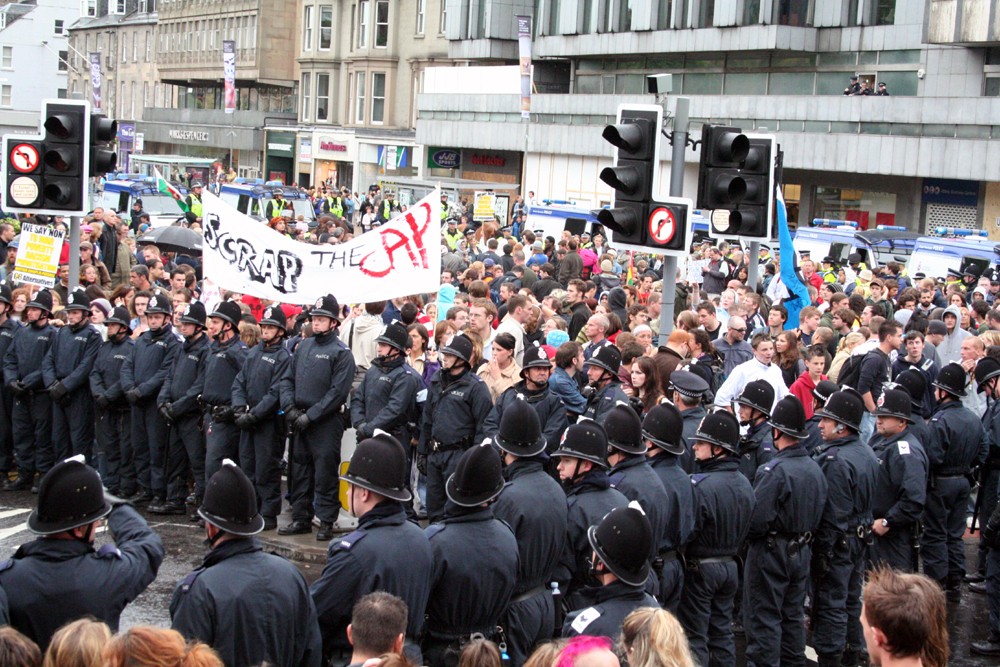
Tactics range widely according to local context and organizational culture. Common methods include peaceful mass demonstrations, organized direct action and blockades, public education campaigns, consumer boycotts and buycotts, strategic litigation and policy advocacy. Activists often create parallel institutions or forums to discuss alternatives—such as people’s summits or citizens’ assemblies—and promote schemes like fair trade, ethical procurement and local economic development. Digital communications and social media have complemented more traditional organising, allowing decentralized coordination across borders while preserving local autonomy. Some campaigns focus on specific sectors, for example challenging particular investment rules, while others aim to build broad coalitions across labor, ecological and development constituencies.
Internal diversity and terminology
The movement is pluralistic rather than monolithic. Many participants explicitly reject the term "anti-globalization" because it suggests blanket opposition to international cooperation; they instead use labels such as alter-globalization or global justice to emphasize alternative forms of global connection. Organizations vary from grassroots community groups and trade unions to non-governmental organizations and faith-based networks. Debates within the movement concern priorities, from immediate labor or environmental protections to longer-term institutional reforms, and about the relative merits of confrontation versus negotiation in public campaigns.
Critiques, public perception and limitations
The movement has attracted diverse critiques. Some commentators argue it is insufficiently coherent in goals or policy prescriptions, while others criticize certain tactics when demonstrations turn confrontational. Supporters of current trade and investment arrangements argue that liberalization promotes growth and poverty reduction; advocates within the global justice movement respond that benefits are often uneven and that distribution, regulation and accountability matter. Public perception varies by country and event, with high-profile protests sometimes shaping media narratives more than the broader policy debates the movement advances.
Contemporary relevance
Issues that animate the movement remain prominent in public policy: corporate accountability, climate and environmental policy, supply-chain standards, labor conditions, and the democratic governance of international institutions. Activists and analysts continue to press for stronger protections for environmental sustainability, enhanced human rights and enforceable labor rights, as well as reforms that respect national and local policy space while enabling cross-border cooperation. Debates about how to reconcile global cooperation with equity and sustainability are ongoing and shape discussions in civil society, academic research and policymaking.
For further context, readers may consult materials on the politics of trade, analyses of trade agreements, and overviews of social movements and transnational advocacy networks. The movement’s history, methods and proposals are discussed across a wide range of literature and public sources, and understanding its diversity is essential for evaluating its influence on contemporary debates about globalization and governance.
Questions and answers
Q: What is anti-globalization?
A: Anti-globalization is a concept used by individuals and groups who oppose certain aspects of globalization in its present form.
Q: Is anti-globalization considered a social movement?
A: Yes, by many people, anti-globalization is considered a social movement.
Q: What do participants in the anti-globalization movement unite against?
A: Participants in the anti-globalization movement are united in opposition to the political power of large corporations, which they believe destroys the environment, human rights, labor rights for workers, national sovereignty, the third world, and more.
Q: How do people who are called anti-globalization prefer to describe themselves?
A: People who are called anti-globalization prefer to describe themselves as the Global Justice Movement, the Movement of Movements, the "alter-globalization" movement, and a number of other terms.
Q: When did the groups and individuals that would become known as the anti-globalization movement develop?
A: The groups and individuals that would come to be known as the anti-globalization movement developed in the late twentieth century.
Q: Why did the anti-globalization movement develop?
A: The anti-globalization movement developed to combat the globalization of corporate economic activity and the free trade with developing nations that might result from such activity.
Q: Is the anti-globalization movement one unified movement or several separate movements?
A: It is debated whether the anti-globalization movement is one unified movement or several separate social movements.
Related articles
Author
AlegsaOnline.com Anti-globalization movement: origins, aims, tactics, and distinctions Leandro Alegsa
URL: https://en.alegsaonline.com/art/4640