
Hydroxide (OH−): properties, reactions, minerals and industrial uses
Hydroxide (OH−) is the diatomic anion of oxygen and hydrogen; it is central to base chemistry, many minerals and industrial processes including alkali manufacture, water treatment and metal refining.
Overview. In chemistry, hydroxide refers to the diatomic anion OH− ion, composed of an oxygen atom bonded to a hydrogen atom. The term also describes compounds that contain this anion, commonly called hydroxides. Hydroxide-bearing substances are frequently basic in aqueous media and play a central role in neutralization, solubility, and redox processes.
Image gallery
5 Images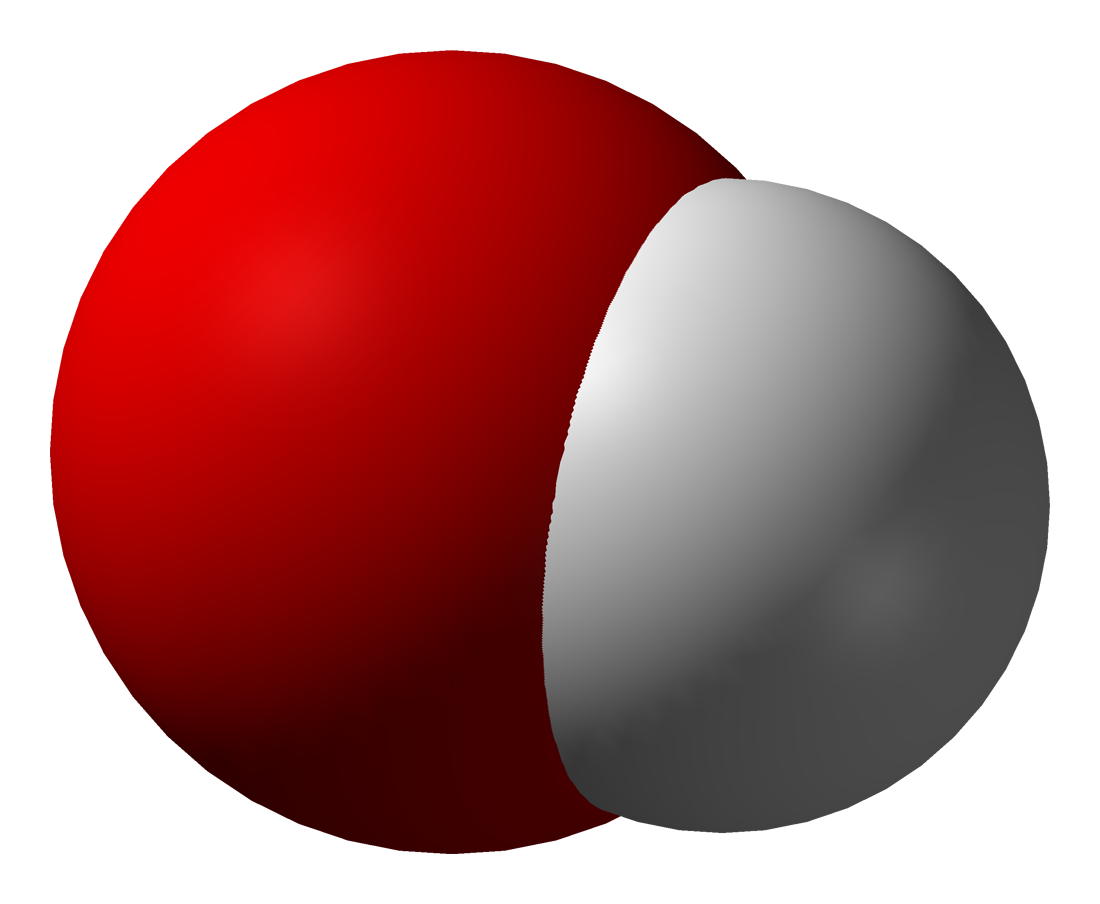


Structure and basic properties
The hydroxide ion carries a single negative charge and is a simple, stable anion in many chemical contexts. It behaves as a Lewis base (electron-pair donor) and as a Brønsted–Lowry base (proton acceptor) in reactions with acids. In water, hydroxide concentration helps determine the pH of a solution; solutions rich in OH− are alkaline. Alkali metal hydroxides such as sodium hydroxide and potassium hydroxide are highly soluble and strongly basic, whereas many transition-metal hydroxides are much less soluble.
Acid–base role and reactions
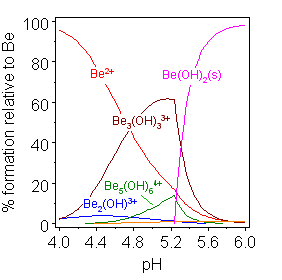
When a substance classified as an Arrhenius base is dissolved in an aqueous solution, it increases the concentration of hydroxide ions. Hydroxide ions react with acids to produce water and a salt in neutralization reactions. They also participate in precipitation reactions: adding OH− to a solution of metal ions commonly yields characteristic insoluble hydroxide precipitates, a property exploited in qualitative analysis and wastewater treatment.
Occurrence, minerals and ores
Hydroxide is present not only in simple salts but also in naturally occurring minerals. Iron hydroxide minerals such as goethite and limonite form in soils and weathering environments and have historically served as iron ore sources. Aluminum occurs in nature in hydroxide-rich forms; for example, the ore bauxite consists largely of aluminum hydroxide phases and is the principal source of aluminium metal.
Uses and practical importance
Hydroxides are widely used across industry and everyday chemistry. Strong soluble bases such as sodium hydroxide and potassium hydroxide are essential for soap manufacture, paper pulping, chemical synthesis, and neutralization of acidic waste. Insoluble metal hydroxides are important in metal extraction, pigment production, and as adsorbents in water treatment. Some hydroxides are amphoteric (able to react with both acids and bases), a behavior exploited in refining and material processing.
Notable distinctions and safety
It is important to distinguish the hydroxide ion (OH−) from the hydroxyl radical (·OH), a highly reactive species in atmospheric and biological chemistry. Many hydroxide compounds are caustic and can cause chemical burns; safe handling, appropriate personal protective equipment and proper storage are essential. In analytical chemistry, the formation or dissolution of hydroxide precipitates remains a simple, powerful diagnostic tool.
- Further information: hydroxide overview
- Definitions and ions: OH− ion, hydroxide ions
- Constituent atoms: oxygen, hydrogen, atoms
- Base concepts: bases, dissolved, aqueous solution
- Common compounds and minerals: sodium hydroxide, potassium hydroxide, goethite and limonite
- Industrial and geological links: iron ore, aluminium, bauxite
Questions and answers
Q: What is hydroxide in chemistry?
A: Hydroxide in chemistry is a diatomic anion OH−, made up of oxygen and hydrogen atoms.
Q: What are most chemical compounds that contain hydroxides?
A: Most chemical compounds that contain hydroxides are bases.
Q: What is an Arrhenius base?
A: An Arrhenius base is a substance that, when dissolved in an aqueous solution, produces hydroxide ions.
Q: What are hydroxide ions heavily involved in?
A: Hydroxide ions are heavily involved in acid-base reactions.
Q: What are some useful chemical reactions or processes that involve hydroxide or hydroxide ions?
A: Sodium hydroxide is used in industry as a strong base, potassium hydroxide is used in agriculture, and iron hydroxide minerals such as goethite and limonite have been used as iron ore.
Q: What is the aluminium ore bauxite made mainly out of?
A: The aluminium ore bauxite is made mainly out of aluminium hydroxides.
Q: Do most inorganic hydroxide salts dissolve in water?
A: No, most inorganic hydroxide salts do not dissolve in water.
Related articles
Author
AlegsaOnline.com Hydroxide (OH−): properties, reactions, minerals and industrial uses Leandro Alegsa
URL: https://en.alegsaonline.com/art/46125