
Anti-fan: definition, behavior, history and social impact
An anti-fan opposes a person, idea, or group and organizes criticism or hostility. This article explains typical behaviors, online and offline activity, historical development, impacts, and distinctions from critics or trolls.
Overview
An anti-fan is someone who actively opposes, criticizes, or campaigns against a particular person, group, cultural product, or idea. The label is derived from the prefix anti- meaning "against" and the word "fan" used ironically to indicate sustained attention rather than admiration. Anti-fans may form loose networks or organized groups, and their intensity ranges from reasoned opposition to sustained harassment.
Image gallery
1 Image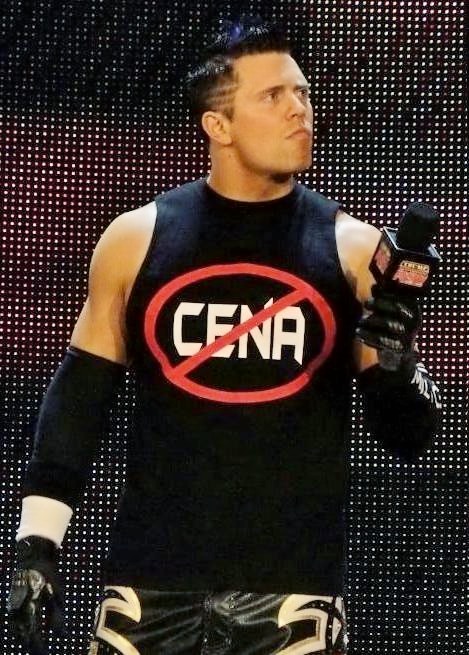
Typical activities and platforms
Anti-fan activity spans both online and offline spaces. On the internet, participants create pages, social media accounts, blogs and forums to collect content, coordinate actions, and amplify criticism. Many of these efforts occur on general platforms and specialized sites; for example, discussions often take place on forums and fan communities as well as on broader social networks (online platforms). Anti-fan blogs and web pages provide narrative and commentary (anti-fan blogs), while other pages focus on archiving perceived missteps or controversies.
- Posting critical commentary and counter-arguments.
- Publishing or circulating rumors and allegations (rumor spread).
- Coordinated actions such as mass replying, review-bombing, or public protests.
- Booing, chanting, or demonstrations at public events.
History and development
Opposition to public figures predates the internet, but social media and online communities have changed scale and speed. In earlier eras criticism was distributed through letters, opinion columns, or organized advocacy groups; today a message can be amplified globally in minutes. This technological change has blurred the line between organized, policy-driven dissent and ad hoc harassment. In many cases what began as critical engagement has shifted into more aggressive or personal attacks as anonymity and rapid sharing reduce social restraint.
Impacts, distinctions, and responses
Consequences of anti-fan activity are mixed. Constructive scrutiny can highlight legitimate issues and prompt accountability, but coordinated harassment can cause reputational damage, doxxing, threats, and mental health harm to targets. It is distinct from ordinary criticism in its sustained, often collective focus on a single target; it differs from trolls, who typically seek attention through provocation, and from organized hate groups, which are motivated by ideology against protected groups. Public figures, creatives, and institutions may all be targets.
Responses include moderation by platforms, legal measures against threats or defamation, public relations strategies, and community education on responsible discourse. Remedies often aim to protect individuals while preserving space for legitimate criticism, which requires careful distinctions between criticism, satire, and abusive conduct.
Notable considerations
Observers emphasize context: motives vary from principled dissent to personal animus, and the same tactic can be used for accountability or for bullying. Understanding anti-fan phenomena requires attention to platform design, social dynamics, and legal frameworks that shape how disagreement and opposition are expressed in public life.
Questions and answers
Q: Who are anti-fans?
A: Anti-fans are people who are opposed to a particular person, system or idea.
Q: What does the prefix 'anti-' mean?
A: The prefix 'anti-' means 'opposed'.
Q: Where do anti-fans usually share their views?
A: Anti-fans usually share their views on online websites such as anti-fan pages, anti-fan blogs, anti-fan internet cafes, etc.
Q: How do anti-fans criticize their target?
A: Anti-fans criticize their target by spreading rumors about them, posting malicious comments to internet articles, and even starting a movement against them.
Q: How have the activities of anti-fans changed over time?
A: The activities of anti-fans used to be constructive criticism, but nowadays they have changed to severe insults with no specific reason.
Q: What kind of social problems do the ruthless attacks of anti-fans cause?
A: The ruthless attacks of anti-fans cause a lot of social problems, and a lot of celebrities who are the target of anti-fans suffer from their behaviors.
Q: In some cases, what might celebrities who are the target of anti-fans accuse them of?
A: In some cases, celebrities who are the target of anti-fans might accuse them of personal insults.
Related articles
Author
AlegsaOnline.com Anti-fan: definition, behavior, history and social impact Leandro Alegsa
URL: https://en.alegsaonline.com/art/4609
Sources
- urbandictionary.com : Anti-fan at Urban Dictionary