
Hydrazine (N2H4): properties, production, uses, and safety
Hydrazine is a reactive, nitrogen-rich chemical (N2H4) used in synthesis, propulsion, and water treatment; it is highly toxic and handled under strict controls.
Overview
Hydrazine is a simple diazane molecule with formula N2H4. It is a nitrogen-rich, reducing chemical widely used in industry and research. In its common form it is a colorless, oily liquid with a sharp, ammonia-like odor and is miscible with water. For general information see hydrazine references.
Image gallery
10 Images
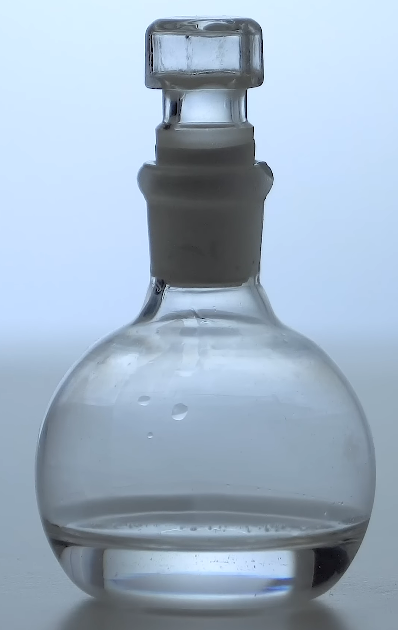


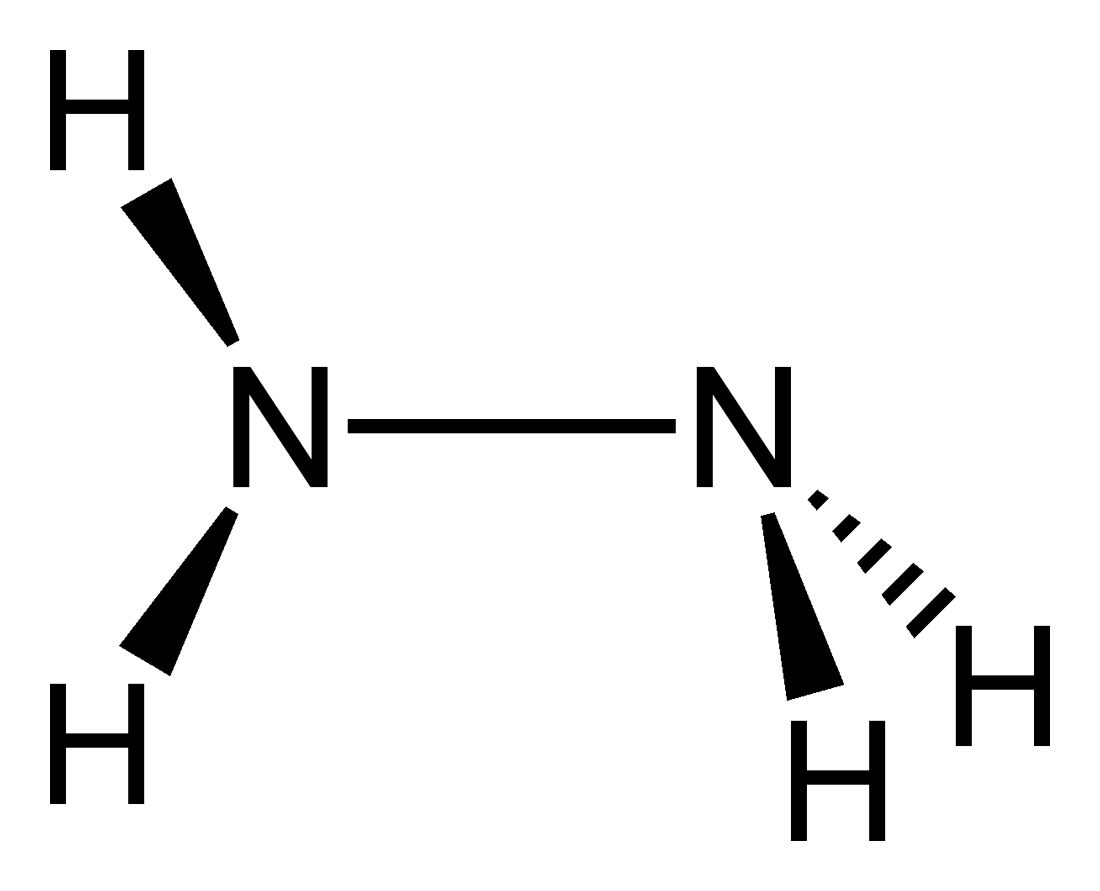


Chemical structure and properties
Hydrazine contains two nitrogen atoms bonded to each other and to hydrogen atoms. Its N–N single bond and lone electron pairs give it strong reducing behavior and a propensity to form hydrogen bonds. The compound behaves as a weak base and can be protonated to give hydrazinium salts. It reacts readily with oxidizers and forms a variety of derivatives used in organic synthesis; related elements include nitrogen and hydrogen in different bonding arrangements.
Production and historical notes
Hydrazine was identified in the 19th century and became important commercially in the 20th century as industrial routes were developed. Modern production methods include processes that convert ammonia and oxidants into hydrazine using catalysts or peroxide-based chemistry. The compound can also be isolated as hydrates or converted to stable salts for transport. For process and industrial context see industrial processes.
Uses and applications
Hydrazine and its derivatives serve several roles:
- As a reagent in chemical synthesis, for example to form hydrazones and in reductions used in organic chemistry.
- In propulsion: as a monopropellant or component of hypergolic fuels for aerospace applications where high reactivity is required.
- In boiler water treatment and other industrial contexts as an oxygen scavenger to limit corrosion.
- As an intermediate in the manufacture of pharmaceuticals, agrochemicals and polymer blowing agents.
Different forms such as hydrazine hydrate or substituted hydrazines have tailored uses.
Safety, health and environmental aspects
Hydrazine is acutely toxic by inhalation, ingestion, and skin contact. It is a powerful reducing agent and flammable; it can corrode metals and damage materials if not stored properly. Chronic exposure is associated with serious health risks and it is regarded as a suspected carcinogen; handling is regulated and requires protective equipment, containment and monitoring. In the event of releases, specialized cleanup procedures and notifications are required to protect people and the environment. For authoritative safety guidance consult safety resources.
Notable distinctions
Hydrazine differs from ammonia by the presence of an N–N bond and greater reducing power. Its derivatives, such as methylated hydrazines, can have quite different hazards and performance, which is important in applications like propulsion. Because of its combination of reactivity and toxicity, hydrazine remains valuable but tightly controlled in practice.
Questions and answers
Q: What is hydrazine?
A: Hydrazine is a chemical compound composed of nitrogen and hydrogen ions.
Q: What is the chemical formula of hydrazine?
A: The chemical formula of hydrazine is N2H4.
Q: What are the oxidation states of hydrogen and nitrogen in hydrazine?
A: Hydrogen is in its +1 and nitrogen is in its -2 oxidation state in hydrazine.
Q: Is hydrazine an organic or inorganic compound?
A: Hydrazine is an inorganic compound.
Q: What is another name for hydrazine?
A: Hydrazine is also known as diazine.
Q: What are the two elements that make up hydrazine?
A: The two elements that make up hydrazine are nitrogen and hydrogen.
Q: What is the significance of the oxidation states of hydrogen and nitrogen in hydrazine?
A: The oxidation states of hydrogen and nitrogen in hydrazine determine its chemical properties and reactivity.
Related articles
Author
AlegsaOnline.com Hydrazine (N2H4): properties, production, uses, and safety Leandro Alegsa
URL: https://en.alegsaonline.com/art/46078